U.S. stocks fell sharply as investors rushed to price a widening Iran war risk, sending Big Tech lower while oil and Treasury yields moved higher in a combination that threatens the market’s most crowded trade.
Oil Spike Pressures Tech as Yields Rise

That matters because this is not just a headline-driven pullback. A more dangerous mix is taking shape for equities: higher energy costs, a jump in long-term borrowing rates and a rotation out of the megacap growth names that have carried much of the market’s advance. The Nasdaq-100 proxy QQQ dropped to 691.96, breaking below its 50-day moving average and flashing weaker momentum as its RSI slipped to 41.1 and MACD turned negative, classic signs that investors are no longer willing to pay up for duration risk when geopolitical stress is rising.
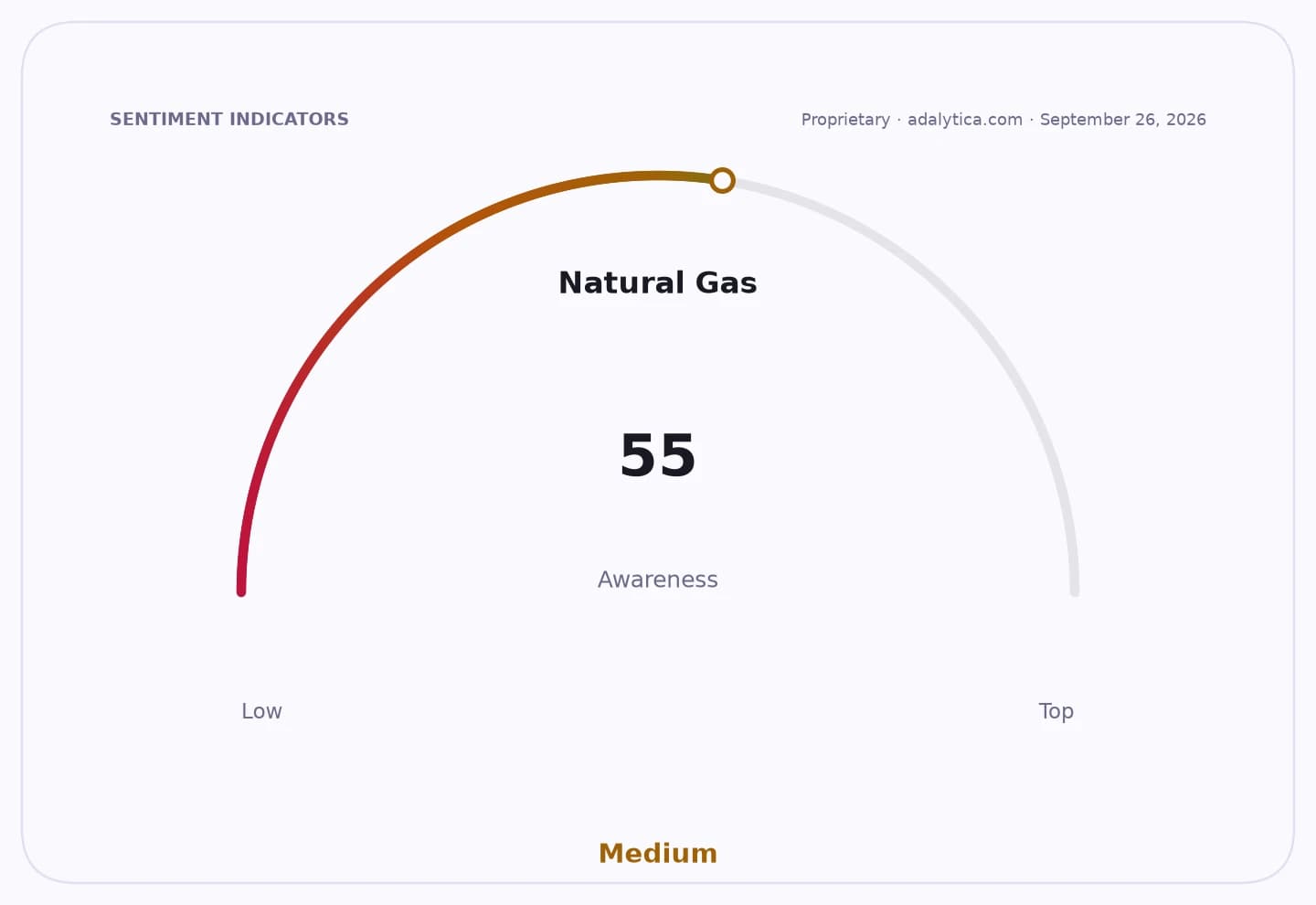
Sentiment IndicatorsⓘProprietary · adalytica.com · July 23, 2026
This is a snapshot — live sentiment, awareness and momentum for 130+ markets update continuously in the dashboard.Open AlphaPulse

The catalyst is the deepening conflict between the U.S. and Iran, with repeated strikes raising the odds of a broader regional confrontation. That has pushed West Texas Intermediate crude toward 84.98 a barrel, reinforcing inflation concerns at the same time the 10-year Treasury yield climbed to 4.688%. For investors, that is the worst possible macro cocktail: oil up, yields up, and growth stocks under pressure. When energy rises while bond yields rise too, the valuation framework for Big Tech compresses fast.
The sector moves are telling. The energy trade is suddenly the obvious hedge, with XLE climbing to 59.38 and trading well above its 50-day average as RSI readings surged into extreme overbought territory. That tells us money is not merely repositioning defensively; it is actively bidding up the companies that benefit from a supply shock. Meanwhile, the tech complex is losing altitude even as Nvidia-specific sentiment on Adalytica sits at “Extreme Greed,” a reminder that crowded enthusiasm can become fragile very quickly when macro conditions turn hostile.
DGS10 vs DCOILWTICO — macro contextadalytica.com
Explore this data interactively — full history, time series and cross-market comparisons.Open AlphaPulse

The bond market is also signaling stress beneath the surface. The 10-year yield’s move toward 4.7% raises the cost of capital across the economy and undermines the present value of future earnings, which is why high-multiple software, semiconductors and the broader growth cohort tend to get hit first in this kind of tape. Higher yields also make it harder for the market to dismiss oil as a temporary spike, because sustained energy inflation can filter into wages, margins and Federal Reserve policy.
What the market may be missing is that this is not a simple “buy the dip” setup. If the conflict escalates, the winners are likely to be energy producers, defense names, shippers and select dollar beneficiaries, while the losers are long-duration tech, consumer discretionary and rate-sensitive parts of the market. If the situation stabilizes, the immediate fear premium may fade, but the damage done to sentiment and positioning can still leave Big Tech vulnerable to further multiple compression.
For investors, the asymmetric setup is clear: own the inflation hedges, keep exposure to the quality energy complex, and be selective on Big Tech until yields and crude stop rising together. In this market, geopolitics is not a side story — it is the catalyst that can reset leadership.
| Entity | Gains | Losses |
|---|---|---|
| Energy stocks (XLE, producers) | ▲Higher crude prices | ▼Overbought risk |
| Big Tech / QQQ | ▲— | ▼Multiple compression |
| Treasury bears / yield-sensitive investors | ▲Higher carry | ▼Bond losses |
| Oil exporters | ▲Windfall pricing | ▼Importers, airlines, consumers |