Household spending in Okayama rose 45.0% in August, but the surge reflects pressure rather than prosperity, with a weak yen and Middle East turmoil pushing up the cost of fuel and imported goods and leaving local budgets tighter.
Okayama household spending rises 45% as costs climb

The latest prefectural consumer survey from the Okayama Economic Research Institute points to a familiar pattern across Japan’s regional economy: consumers are spending more in nominal terms because prices are higher, not because household purchasing power has improved. That matters because Japan’s recovery remains heavily dependent on a consumer sector that has been slow to absorb inflation, especially outside major urban centers where wages tend to lag and the impact of imported costs is felt more directly.
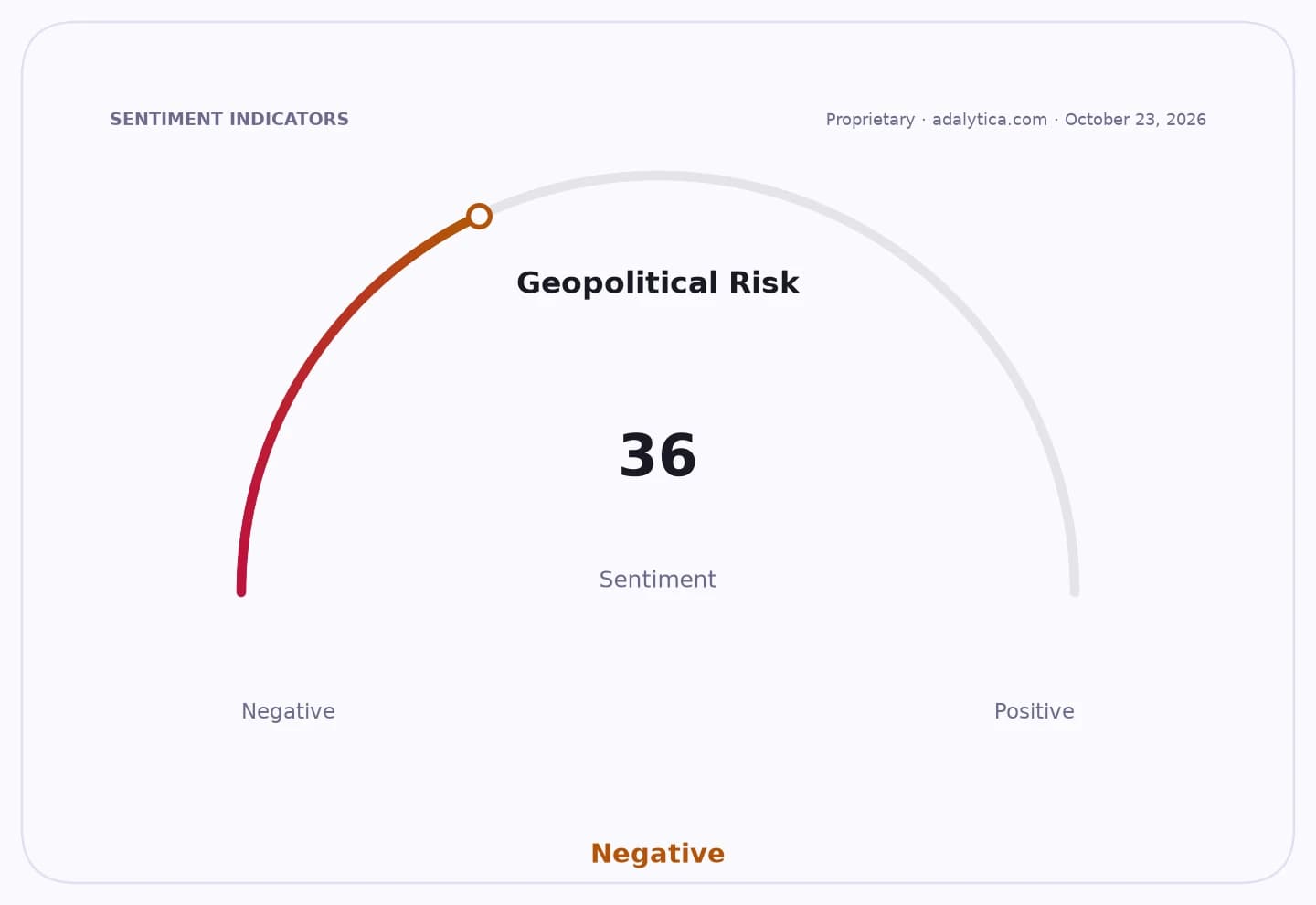
The yen has recently been trading around 157-158 per dollar, a level that keeps imported energy and food expensive for Japanese households and businesses. At the same time, Brent and U.S. crude benchmarks have remained sensitive to geopolitical risks, including tensions in the Middle East, which feed through quickly into transport, utility and household budgets in an import-dependent economy. For prefectures such as Okayama, the effect is felt first in everyday spending decisions: fewer discretionary purchases, more cautious restaurant traffic and greater resistance to nonessential outlays.
That split is visible in market signals. Consumer discretionary stocks have held up better than staples in the latest stretch, but the move looks increasingly driven by inflation pass-through and defensive positioning rather than a clean rebound in real demand. U.S. consumer shares such as the Consumer Discretionary Select Sector ETF have been firmer, while the Consumer Staples ETF has also stayed elevated, suggesting investors are still balancing resilient nominal sales against the risk that households are being forced to spend rather than choosing to spend.
The broader macro backdrop is not reassuring. U.S. CPI data show inflation remains above the Federal Reserve’s comfort zone, while oil prices have rebounded from their recent lows. Adalytica’s CPI sentiment gauge sits at “Extreme Fear,” underscoring how fragile the market’s inflation outlook remains, while long-term inflation expectations are still elevated. For Japan, that mix is particularly awkward: a weak currency cushions exporters and supports corporate earnings translated from overseas, but it erodes consumer purchasing power and widens the gap between large companies and households.
For investors, the Okayama survey is another reminder that Japan’s domestic-demand story remains uneven. Exporters and firms with overseas revenue continue to benefit from the yen’s weakness, but retailers, food producers and consumer-facing service companies may face a more cautious customer even when nominal sales rise. If energy prices remain high and the currency stays soft, households are likely to keep trading down, favoring discount chains and essentials while postponing bigger-ticket purchases.
The key question for the coming months is whether wage growth can catch up with the price shock. If it cannot, local spending gains like Okayama’s will continue to look more like inflation arithmetic than genuine demand strength, leaving the consumer recovery vulnerable despite nominal sales growth.
| Entity | Gains | Losses |
|---|---|---|
| Exporters | ▲Higher yen-converted earnings | ▼Households facing pricier imports |
| Retailers of essentials | ▲Volume resilience in basics | ▼Discretionary sellers |
| Energy importers | ▲None | ▼Consumers and local budgets |
| Local households | ▲None | ▼Real purchasing power |