Republicans are heading into a tougher sell on their signature tax-and-spending package as the healthcare cuts it contains begin to collide with rising medical costs, hospital pressure and warnings from insurers that the hit will flow through to families, providers and state budgets.
Healthcare Cuts in One Big Beautiful Bill Pressure Insurers
The political problem is straightforward: the One Big Beautiful Bill Act may have helped create room for other priorities, but it also tightened federal support for healthcare just as inflation has kept essentials expensive and as unemployment remains elevated enough to make safety-net coverage more valuable. That makes the law easier to defend in Washington than in the districts where hospitals, Medicaid plans and voters are likely to feel the changes first.
Sentiment IndicatorsⓘProprietary · adalytica.com · July 31, 2026
This is a snapshot — live sentiment, awareness and momentum for 130+ markets update continuously in the dashboard.Open AlphaPulse
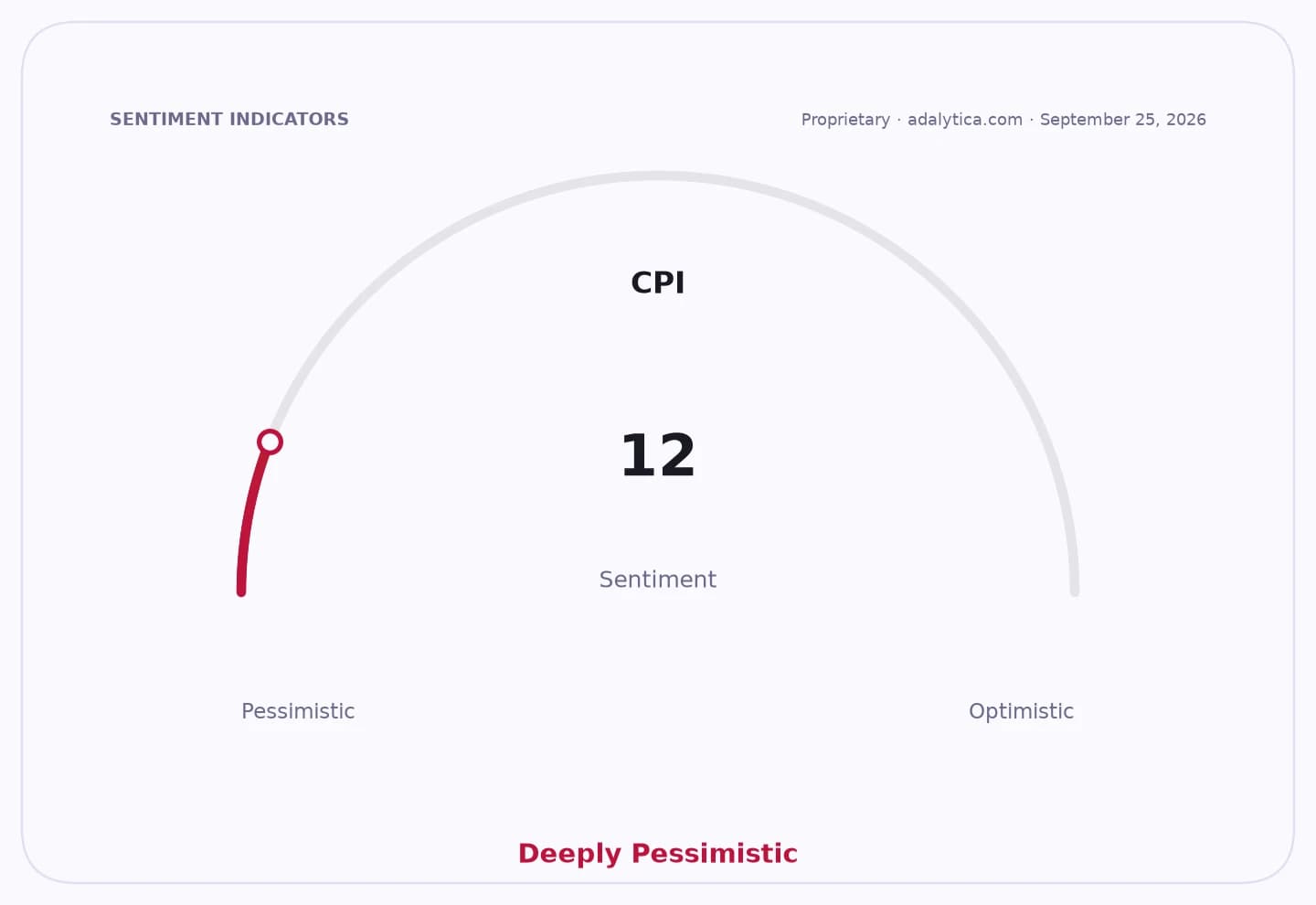
The risk for Republicans is not only that the bill’s healthcare provisions are unpopular, but that they arrive in a period when the cost of living is still shaping household behavior. Consumer prices are forecast to rise 0.89% in July after a 0.42% decline in June, while the unemployment rate is expected to ease only marginally to 4.18% from 4.2%. That is not the backdrop for a painless reduction in public health support. Families facing food, rent and insurance bills are likely to view Medicaid and exchange coverage as part of the same affordability squeeze, not as an abstract budget line.
For hospitals and managed-care companies, the stakes are more immediate. HCA Healthcare’s latest filing flagged risks tied to healthcare-spending reductions, inflation and the expiration of enhanced premium tax credits at the end of 2025. Elevance Health and Molina Healthcare have also warned in filings about Medicaid eligibility changes, premium tax credit expirations and shifting enrollment patterns. Those disclosures underscore how the legislation can reverberate beyond Washington: fewer subsidies and tighter eligibility rules can weaken insurance coverage, raise uncompensated care and alter the mix of patients flowing through the system.
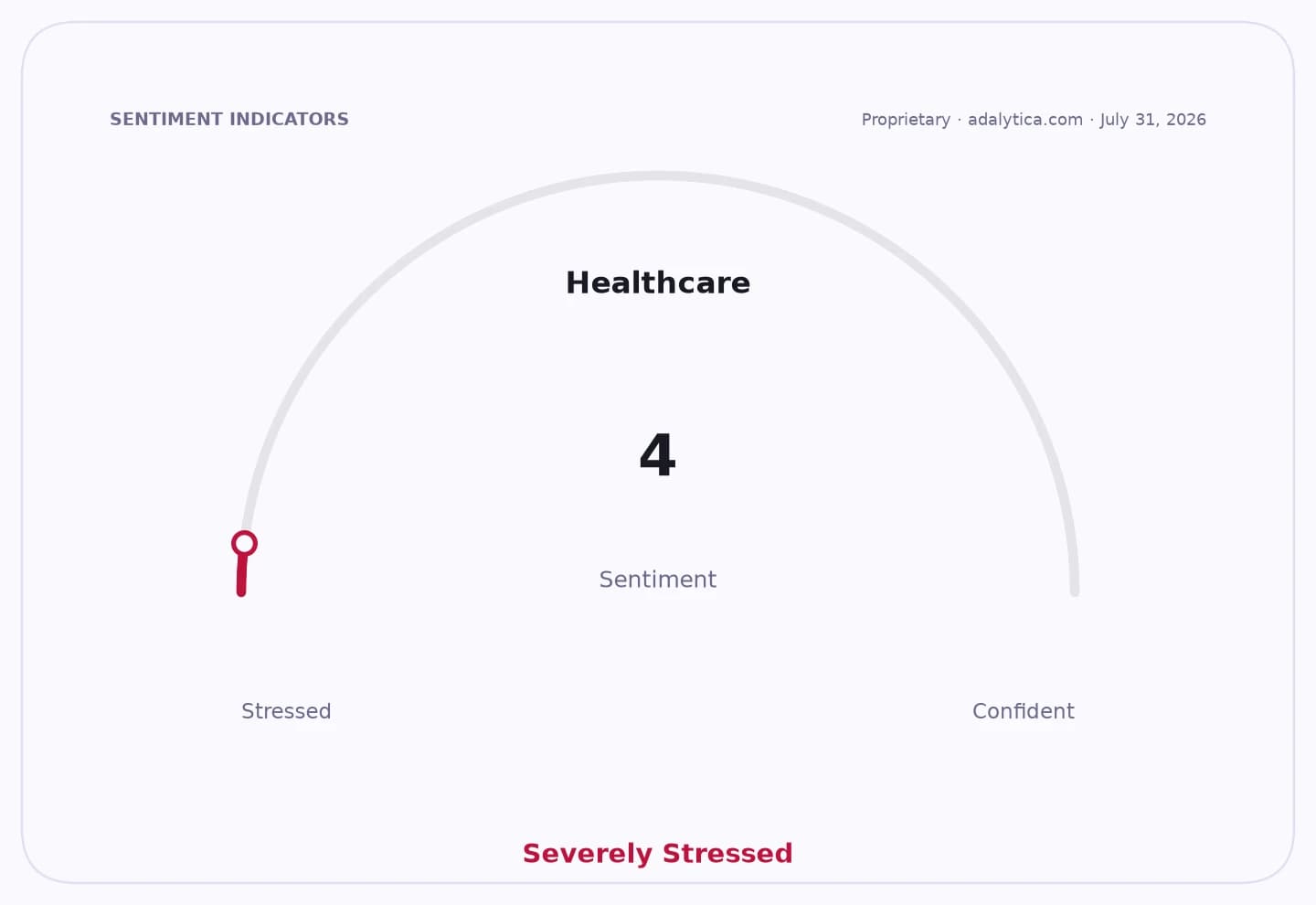
Healthcare — 30-day sentimentadalytica.com
Explore this data interactively — full history, time series and cross-market comparisons.Open AlphaPulse
Investors have already been repricing the policy risk. CVS Health has rallied to about $105 from below $75 earlier this year, while UnitedHealth has rebounded to the low $420s after a violent selloff in January, reflecting both relief and uncertainty around reimbursement and coverage dynamics. HCA has recovered from its spring trough but remains well below earlier highs, suggesting markets are still sorting through how much of the law’s burden will land on providers versus insurers and how much consumers will absorb through premiums and out-of-pocket costs. Technical indicators also show the recent strength is no longer one-way: UnitedHealth’s relative strength index has cooled from overbought territory, while HCA has slipped back below its 200-day moving average, a sign the sector has not fully shaken off policy anxiety.
The broader narrative is that Republicans are trying to frame the bill as fiscal discipline, but the healthcare cuts create a visible distributional trade-off that cuts against that message. If states respond by trimming Medicaid benefits or providers absorb more uncompensated care, the economic cost could show up in weaker hospital margins, greater pressure on rural systems and slower growth in healthcare utilization. If households react by delaying care or dropping coverage, the pain may be diffuse at first but politically potent later.
For investors, the next catalysts are implementation details: how states adjust Medicaid programs, whether premium tax credits are extended or allowed to lapse, and whether hospitals can offset the hit through pricing, volume or cost cuts. Until then, the market is likely to keep treating healthcare policy as a margin issue as much as a political one.
| Entity | Gains | Losses |
|---|---|---|
| Republicans | ▲Fiscal-room narrative | ▼Voter backlash |
| Medicaid insurers | ▲Coverage stability if subsidies persist | ▼Enrollment and margin pressure |
| Hospitals | ▲Higher patient volumes from insured care | ▼More uncompensated care |
| Households | ▲Lower taxes for some earners | ▼Higher healthcare costs |