OpenAI and Anthropic are cutting the cost of their flagship models as pressure mounts from lower-priced Chinese rivals and investor scrutiny intensifies around the expense of building trillion-dollar AI franchises.
OpenAI and Anthropic cut model prices

The new pricing push matters because it shows the economics of frontier AI are getting tougher even as demand for compute and model access keeps rising. Cheaper offerings can help the US leaders defend market share, but they also risk accelerating a race to the bottom in a sector where training and inference costs remain enormous.
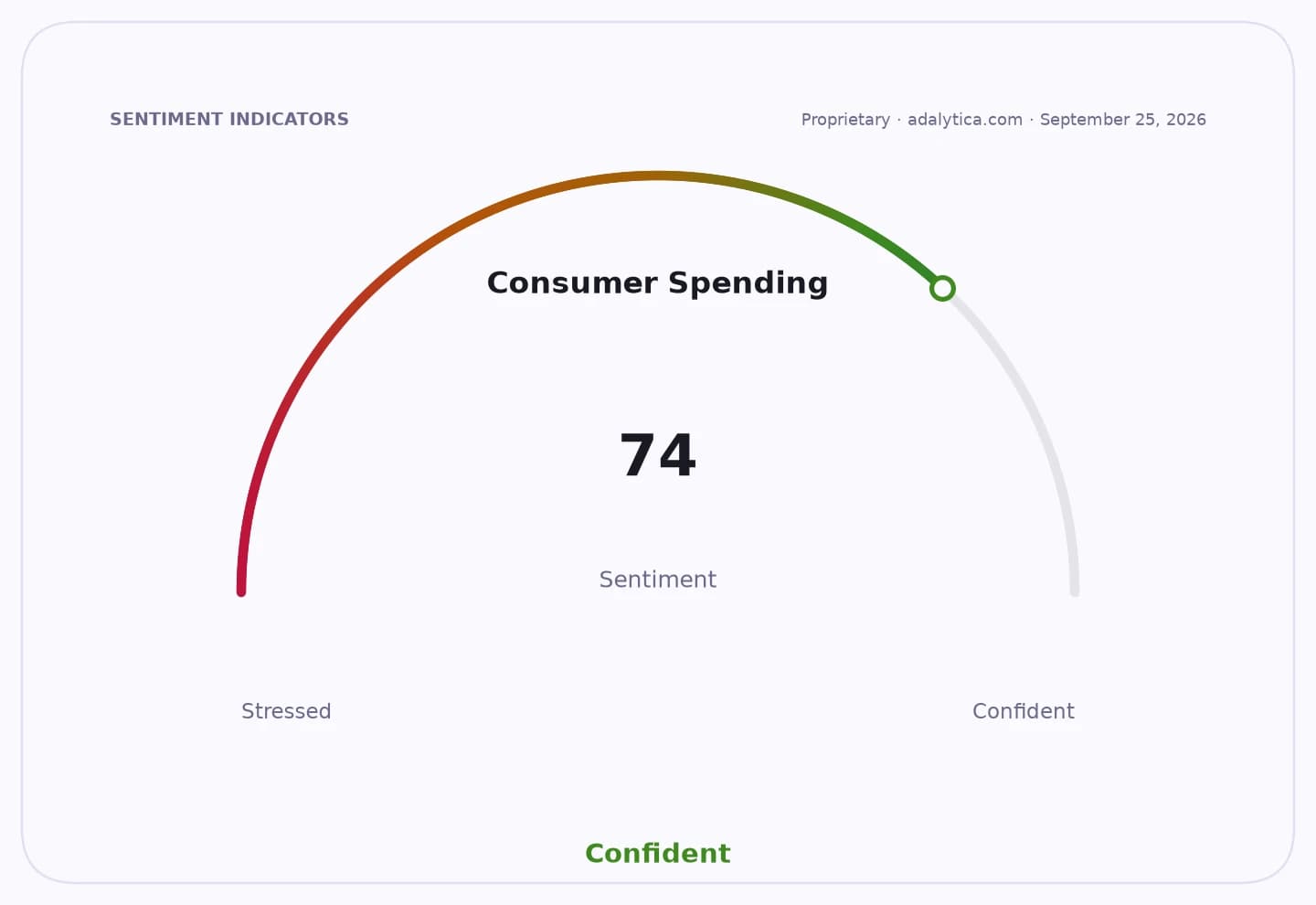
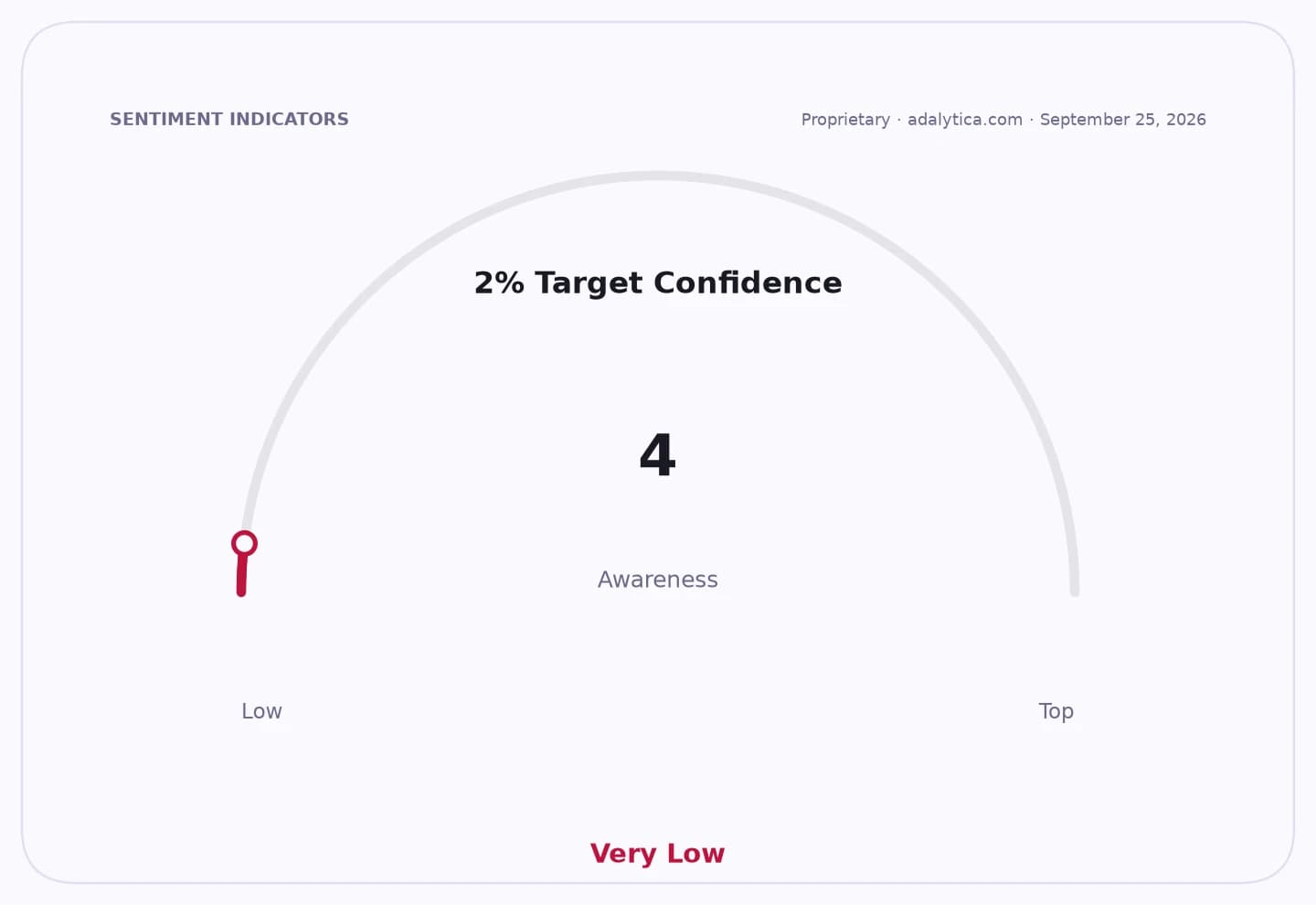
Sentiment IndicatorsⓘProprietary · adalytica.com · August 14, 2026
This is a snapshot — live sentiment, awareness and momentum for 130+ markets update continuously in the dashboard.Open AlphaPulse
That tension is already showing up in the market. Microsoft, a key OpenAI backer, ended the session at $498.89 on Aug. 14 after a sharp run, with its stock trading well above the 200-day moving average and the RSI in overbought territory at 85.8. Nvidia, the dominant AI chip supplier, closed at $226.51, also with RSI readings above 70, reflecting how deeply investors remain committed to the AI buildout even as the business model comes under pressure.
The broader macro backdrop is not helping. The 10-year Treasury yield was at 4.68% on Aug. 12 and the Fed funds rate was 3.63% in July, underscoring that capital remains expensive relative to the near-zero-rate era that helped ignite the first wave of AI spending. For AI startups and heavily loss-making model developers, that makes pricing power and cash discipline more important.
The pricing battle also highlights the changing competitive map. Chinese AI groups are gaining ground by offering cheaper systems, forcing OpenAI and Anthropic to respond not just with better models, but with lower prices, broader distribution and faster release cycles. Alphabet, which has its own AI ambitions and cloud push, closed at $346.55, while Microsoft and Nvidia remain tied to an AI ecosystem that depends on continued enterprise spending.
For investors, the key question is whether cheaper models expand adoption enough to offset margin compression across the stack, from cloud providers to chipmakers to model developers. If the price cuts spark faster usage, that could keep the AI cycle intact; if they mostly reflect weakening pricing power, the market may start to reassess how much of the sector’s valuation premium is justified.
The next catalyst is likely to come from product announcements, enterprise uptake data and any signal that Chinese competitors are forcing another round of discounts.
| Entity | Gains | Losses |
|---|---|---|
| Enterprise AI buyers | ▲Lower model costs | ▼None |
| OpenAI and Anthropic | ▲Defend market share | ▼Margins and pricing power |
| Chinese AI rivals | ▲Competitive pressure on US incumbents | ▼Less room to undercut |
| Nvidia and cloud providers | ▲Higher AI usage if demand rises | ▼Risk of weaker model economics |