OpenAI says its newest models are getting markedly better at everyday tasks people still handle themselves, from finding child care to building meal plans and managing volunteers, a shift that could accelerate the move from chatbots to AI agents that can actually do work.
OpenAI GPT-6 Astra benchmark boosts AI agent push
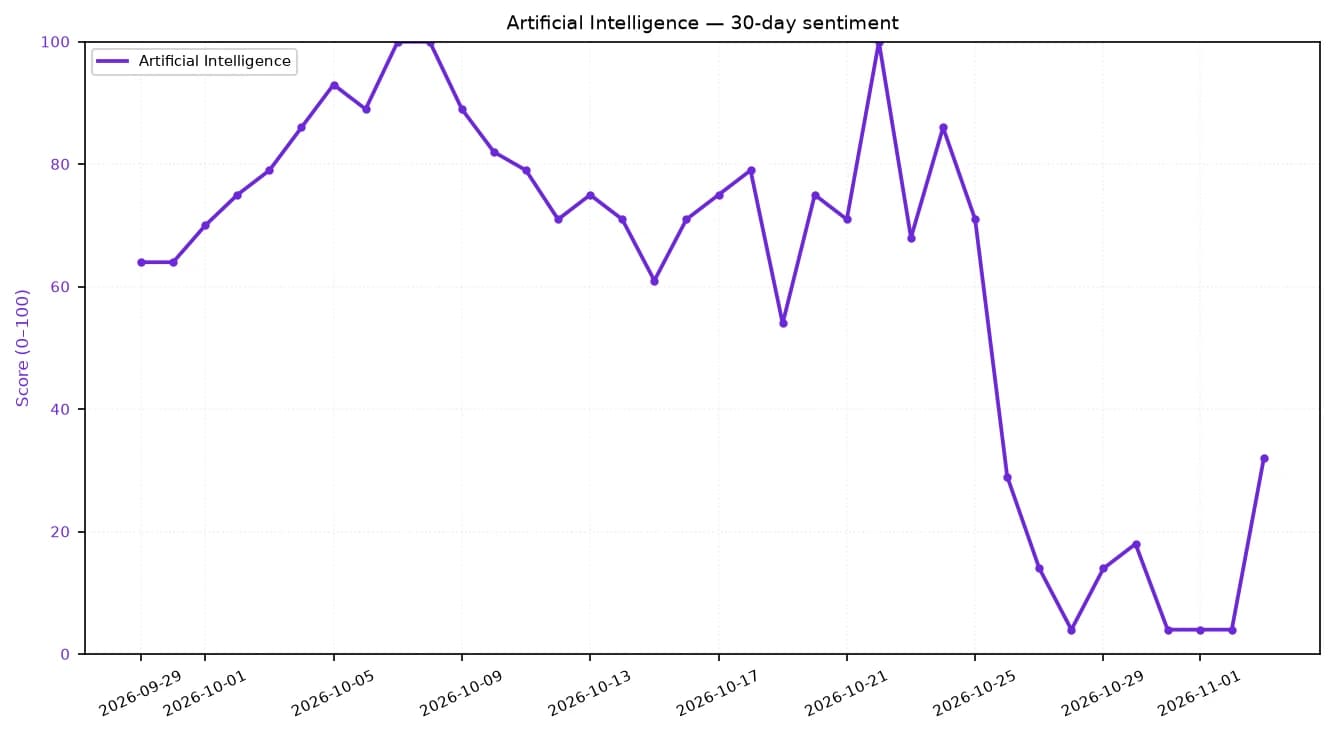
The company’s internal benchmark suggests the next phase of AI competition is no longer just about generating text or code, but about completing messy, real-world chores that depend on context, judgment and the ability to navigate websites and forms. That matters economically because agents that can book, plan, compare and organize at scale could cut labor time across consumer services, office work and back-office operations.
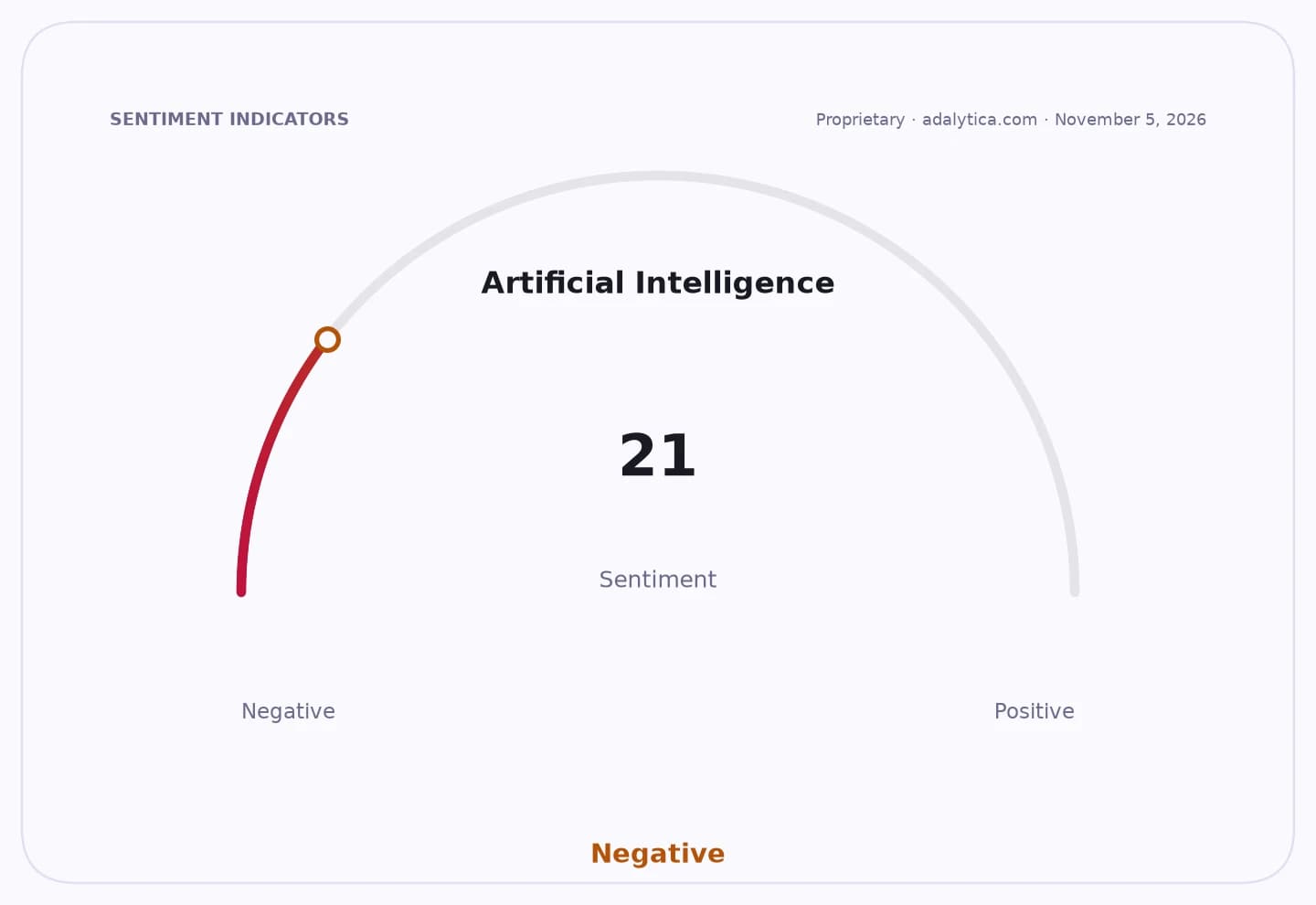
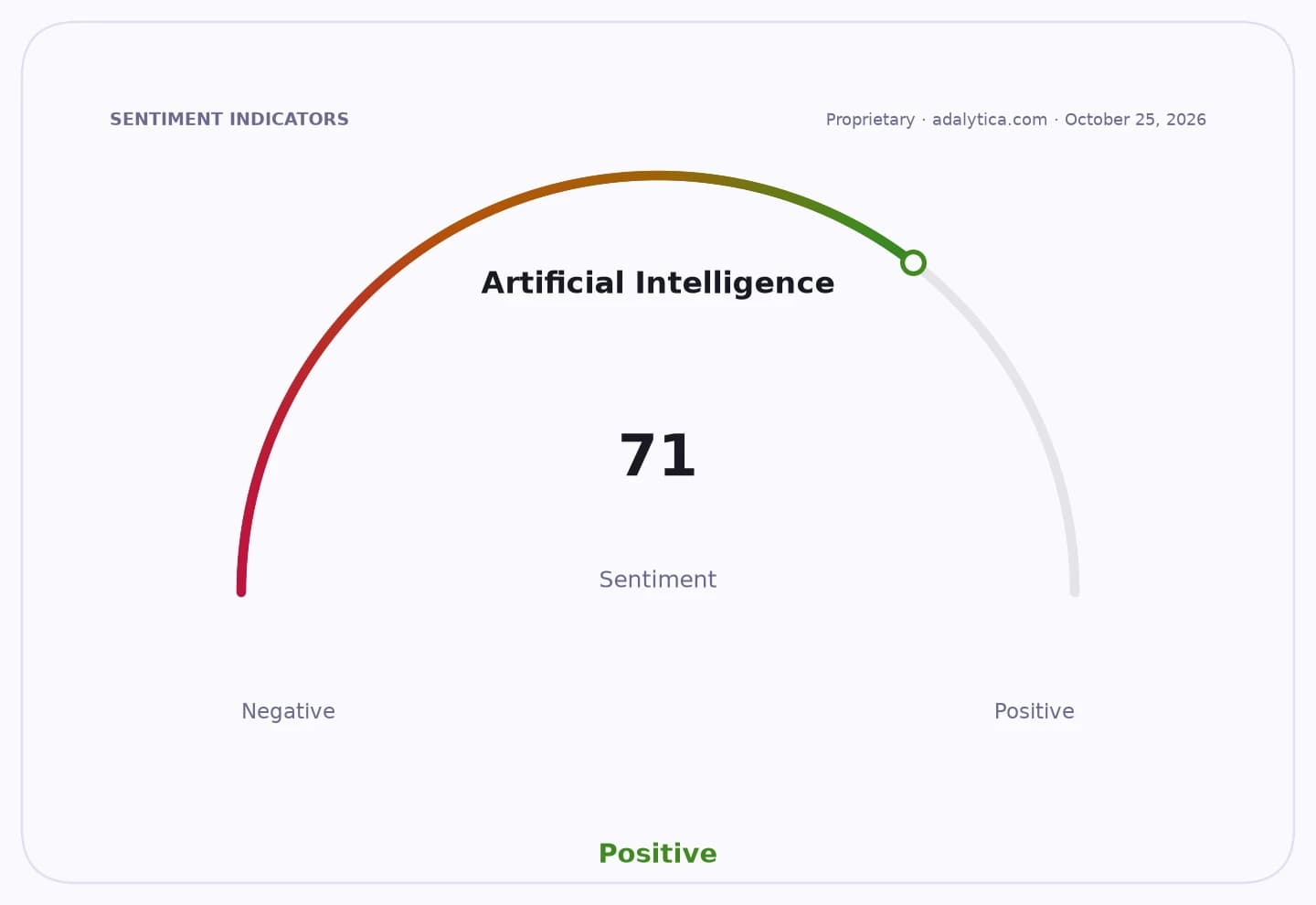
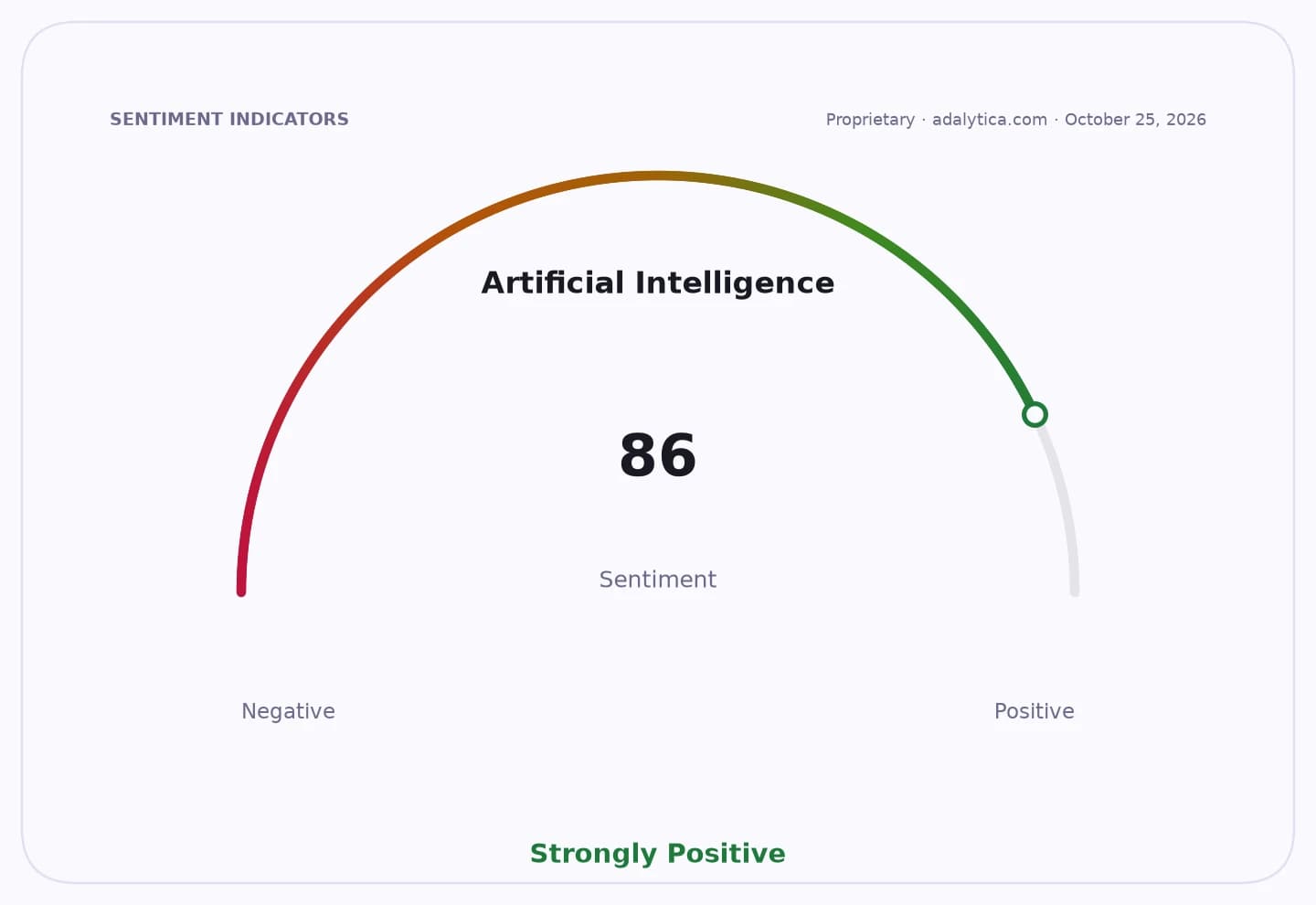
Sentiment Indicators
OpenAI said its GPT-6 Astra model scored 80% overall on everyday tasks, far above GPT-5.2’s 49.3%, and posted results including 93.1% on finding the right day care after a move, 98% on coordinating community volunteers ahead of a flood and 90.4% on making a food plan for a newly diagnosed diabetic parent. The benchmark is designed to measure how well models can use chat history, context and web navigation to produce usable outcomes rather than polished answers.
The research underscores a broader race with Meta, Anthropic and Google to build “personal agents” that can take action on behalf of users, not just respond to prompts. For investors, that raises the stakes for cloud spending, data center buildouts and model training, while also sharpening questions about whether the biggest AI developers can translate rising costs into durable revenue.
The push comes as AI firms face mounting pressure to prove safety and reliability while monetizing huge infrastructure investments. OpenAI said it built the new test after surveying about 4,000 people and asking a smaller group to define the tasks and standards they would use to judge success, reflecting how quickly consumer expectations are shifting from novelty to utility.
The narrative for markets is straightforward: the closer AI gets to routine human work, the larger the addressable market for software, cloud compute and automation tools becomes — but so does the competition for who captures that value. That is why the next checkpoints for OpenAI and its rivals will be less about benchmark scores and more about product adoption, enterprise pricing and whether users trust agents to act without constant supervision.
| Entity | Gains | Losses |
|---|---|---|
| OpenAI | ▲Stronger case for AI agents | ▼Benchmark scrutiny if results lag reality |
| Meta, Anthropic, Google | ▲Higher urgency to compete | ▼Risk of falling behind on agentic AI |
| Enterprise software buyers | ▲More automation options | ▼More vendor lock-in and change risk |
| Human workers in admin tasks | ▲Productivity tools | ▼Some task displacement risk |