OpenAI has raised $11 billion in fresh capital at a $1.25 trillion valuation, a deal that lands below the company’s original fundraising target and underscores how even the hottest AI firms are running into more selective investor appetite.
OpenAI Raises $11 Billion at $1.25 Trillion Valuation
The financing matters because OpenAI has become a bellwether for the private AI market, where soaring valuations have been sustained by expectations of near-limitless demand for computing power, software and enterprise adoption. A round of this size still confirms that capital remains available for leading AI platforms, but the lower-than-planned valuation suggests investors are starting to push back on the sector’s most aggressive pricing assumptions.
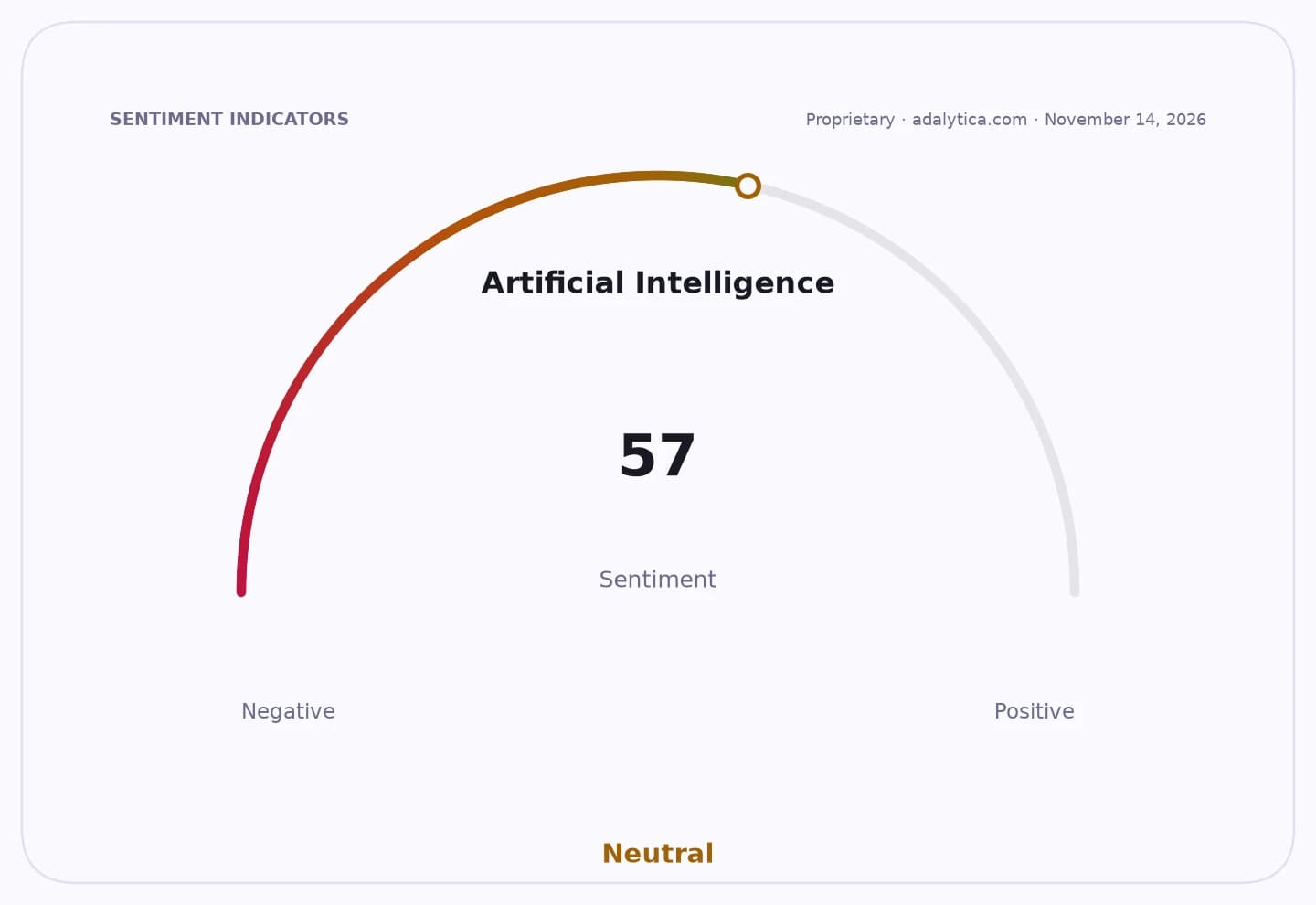
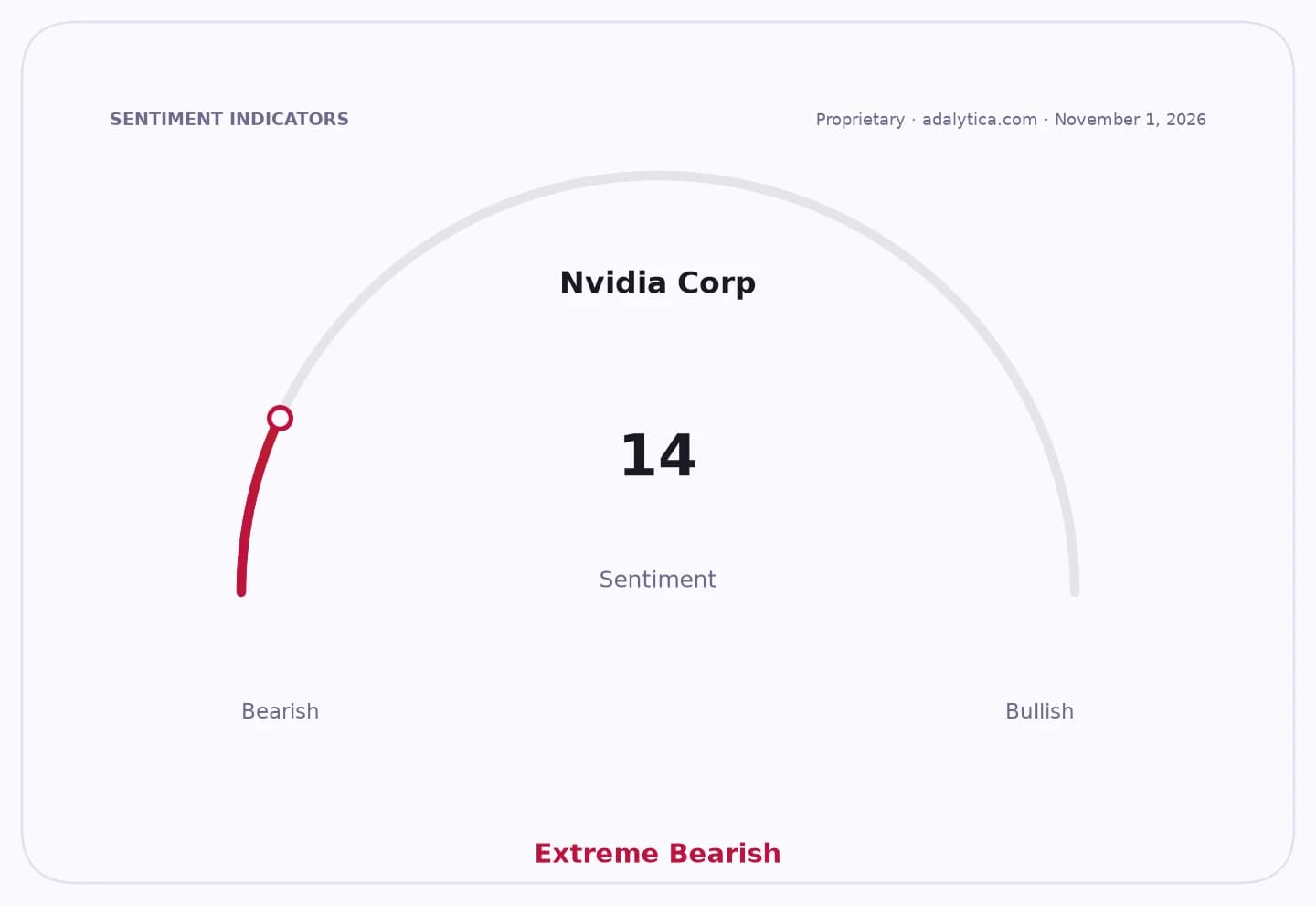
Sentiment Indicators
People familiar with the deal said the company had initially sought as much as $30 billion at a $1.5 trillion valuation before settling on the first $11 billion tranche. SoftBank Group and MGX were among the backers, extending a funding race that has already drawn in large strategic investors eager to secure exposure to frontier AI models and the infrastructure they require.
For investors, the implications go beyond OpenAI itself. A valuation reset at the top of the market can ripple through the broader AI ecosystem, from model developers to chipmakers and cloud providers, because it influences how much future capital can be raised on similar terms. It also raises questions about how long the sector can rely on growth expectations alone to justify premium pricing, especially as competition intensifies and monetization timelines remain uncertain.
The deal also arrives against a backdrop of cooling sentiment around AI names. Reuters previously reported that some investors value Anthropic’s planned IPO at around $150 billion, below earlier estimates of about $200 billion, suggesting that the market is becoming more disciplined even as enthusiasm for artificial intelligence remains strong. That makes this OpenAI round less a sign of funding scarcity than of valuation compression at the margin.
Still, the bull case is intact for now: OpenAI remains one of the few companies with enough scale, brand recognition and product reach to attract mega-checks even in a more cautious environment. The bear case is that the latest round marks the start of a normalization phase, where AI leaders can still raise enormous sums but only at valuations that better reflect execution risk, competitive pressure and the capital intensity of the business.
| Entity | Gains | Losses |
|---|---|---|
| OpenAI | ▲$11 billion in new capital | ▼$1.5 trillion target valuation |
| SoftBank and MGX | ▲Access to a leading AI platform | ▼Higher entry price than earlier rounds |
| Broader AI sector | ▲Validation of investor interest | ▼Risk of valuation compression |
| Later-stage AI rivals | ▲Benchmark for fundraising | ▼Less room for aggressive pricing |