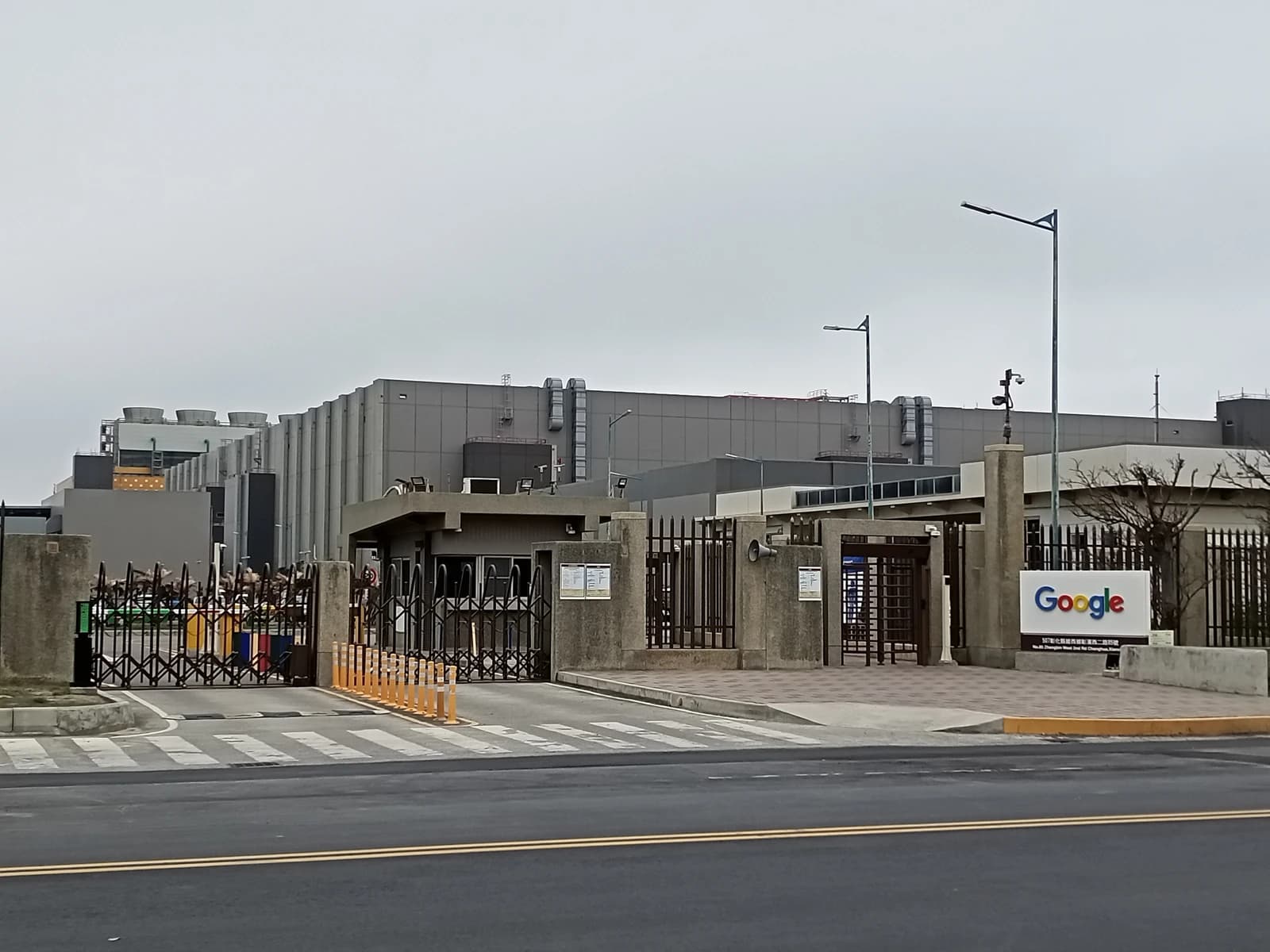
Oracle’s top cloud executive is acknowledging a risk the market has largely underestimated: the AI data-center boom now depends as much on local politics and public trust as it does on power, chips and capital.
Oracle data centers face local permitting pushback
Mike Sicilia, Oracle’s co-CEO, said the industry made a “classic mistake” by trying to sell huge computing campuses to towns with a corporate fly-in mentality that alienated residents instead of winning them over. The message matters because the next phase of AI infrastructure is running into a harder constraint than financing or hardware — local permission. After voters made the AI buildout a referendum in the midterms, operators can no longer assume communities will absorb higher electricity demand, water use and land conversion without pushback.
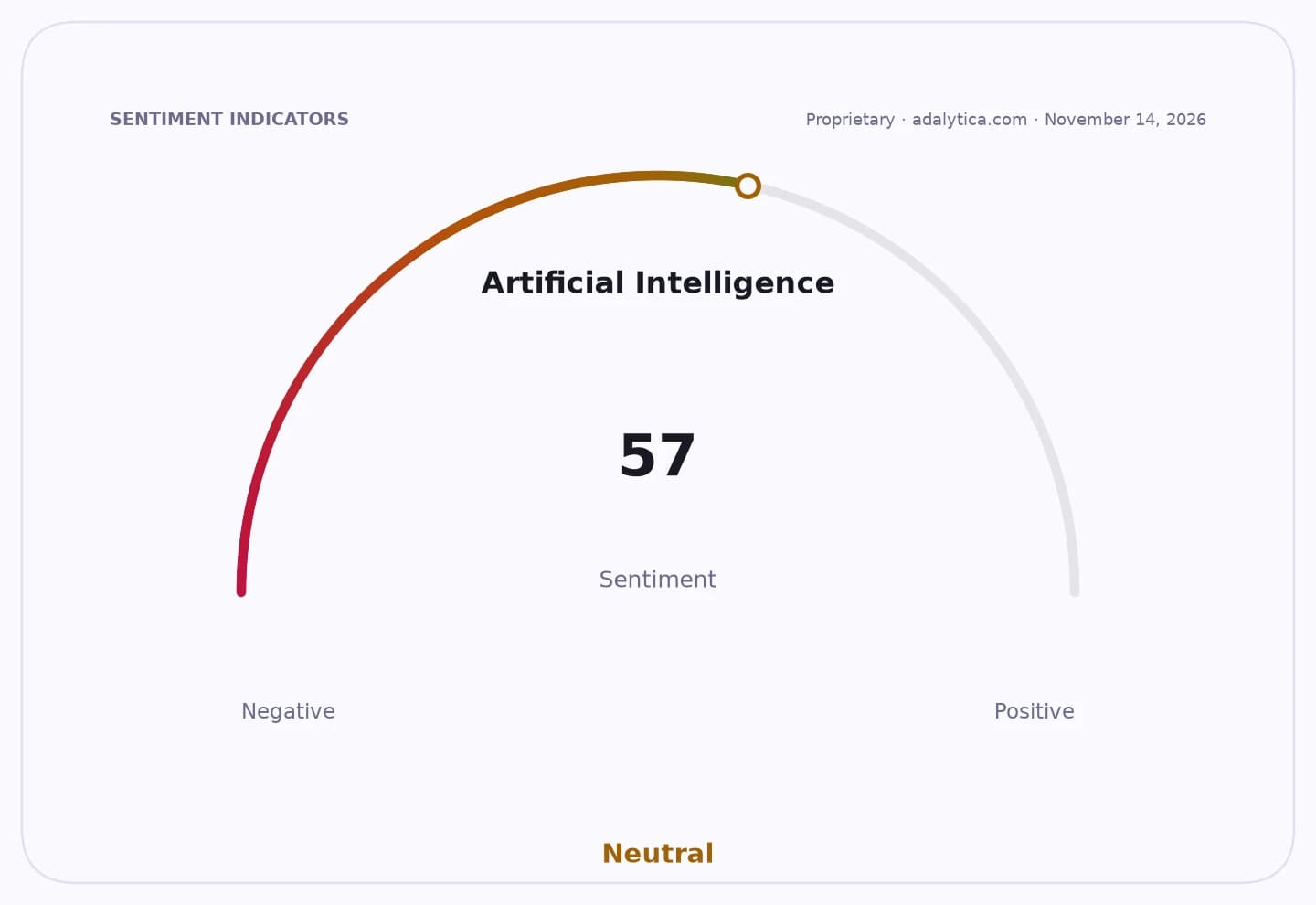
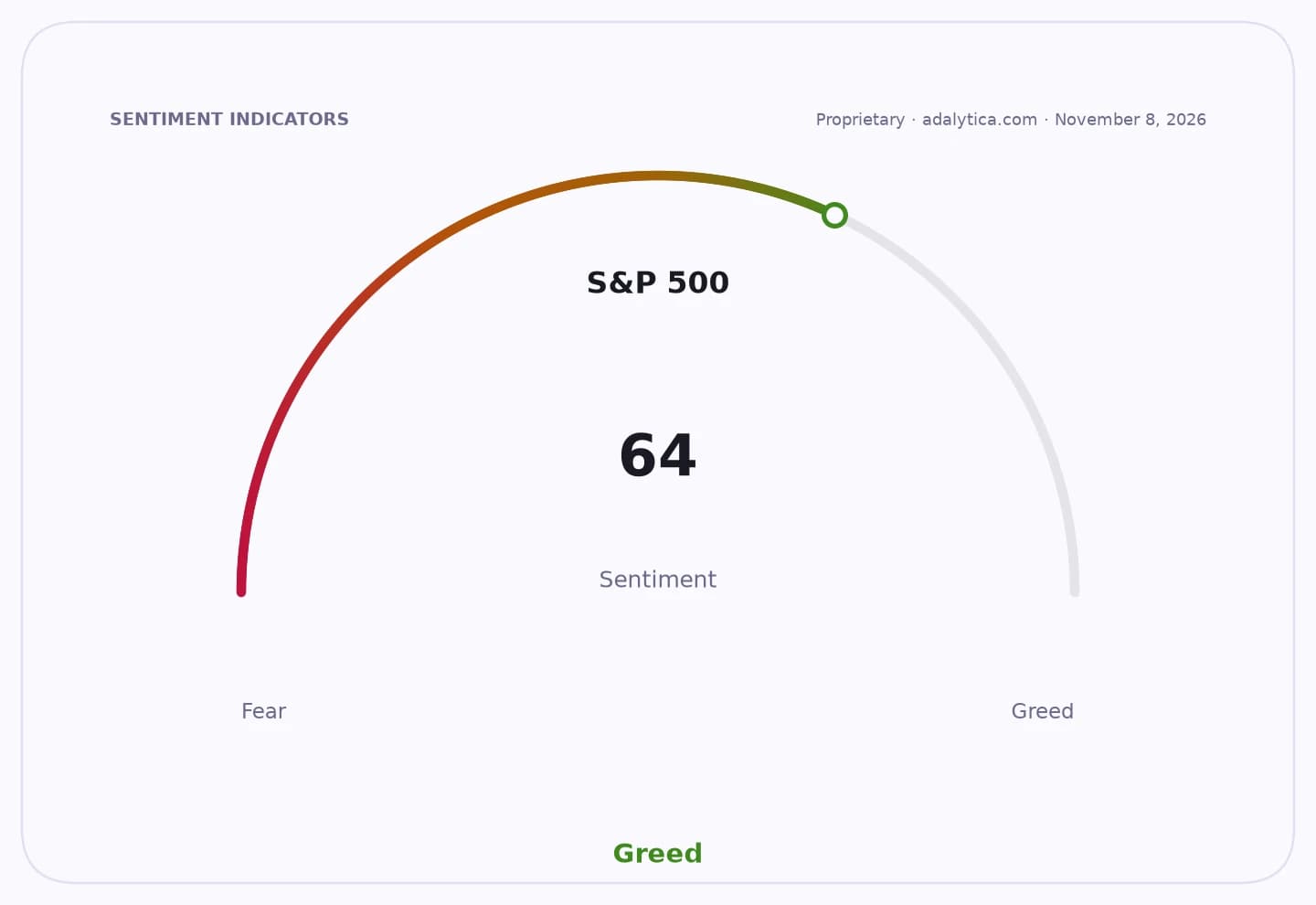
Sentiment Indicators
That shift is economically important because the data-center race is becoming a permitting business as much as a technology business. Oracle, Microsoft, Amazon and their peers are still spending aggressively to secure the compute that underpins artificial intelligence, but every delayed project raises carrying costs, slows revenue recognition and gives competitors more time to lock up scarce sites, grid access and municipal approvals. The risk extends beyond Oracle’s own expansion plans: if local opposition hardens, the pace of AI capex across the sector could slow, forcing investors to reprice growth assumptions that still depend on uninterrupted infrastructure buildout.
Sicilia’s comments also point to a second-order change in how the industry will have to operate. The era of remote headquarters pitching abstract economic benefits is giving way to a more regional, utility-style model, with local hiring, local managers and more direct community engagement. He cited finance’s community-banking playbook as the template. That approach could become a competitive edge for firms that can prove they create jobs, tax revenue and reliable infrastructure without straining schools, water systems or household power bills.
The pressure is not just rhetorical. Trane Technologies chief executive Dave Regnery tried to rebut familiar objections, arguing that many data centers use closed-loop cooling systems and that efficiency gains in buildings can offset rising electricity demand. Those arguments are likely to matter more now, because the political fight is shifting from whether AI data centers are needed to whether they can be built without making life more expensive for residents. The public’s concern over utility bills and resource use is becoming a real operating variable, not a public-relations issue.
For investors, the implication is clear: the winners in the AI infrastructure trade may not be only the obvious hyperscalers. Companies that sell cooling systems, power management, grid equipment, industrial automation and local infrastructure services may prove more resilient than names that depend entirely on a frictionless permitting cycle. Oracle’s own shares, already volatile and still below the 200-day moving average, show how quickly sentiment can turn when the market starts to question execution risk in the AI capex story.
The broader thesis is that the AI buildout is entering an adoption phase where social license becomes a margin issue. Firms that can localize their pitch, prove community benefits and reduce the visible costs of hosting data centers should keep winning projects. Those that cannot may find that the next bottleneck is not compute at all, but consent.
| Entity | Gains | Losses |
|---|---|---|
| Oracle and hyperscalers | ▲Faster permitting if trust improves | ▼Delays, backlash, higher costs |
| Local communities | ▲More jobs and tax revenue | ▼Water, power, land pressures |
| Utilities and infrastructure suppliers | ▲More demand for equipment and services | ▼Exposure to political delays |
| AI investors | ▲Better visibility if buildout continues | ▼Slower capex growth if opposition spreads |