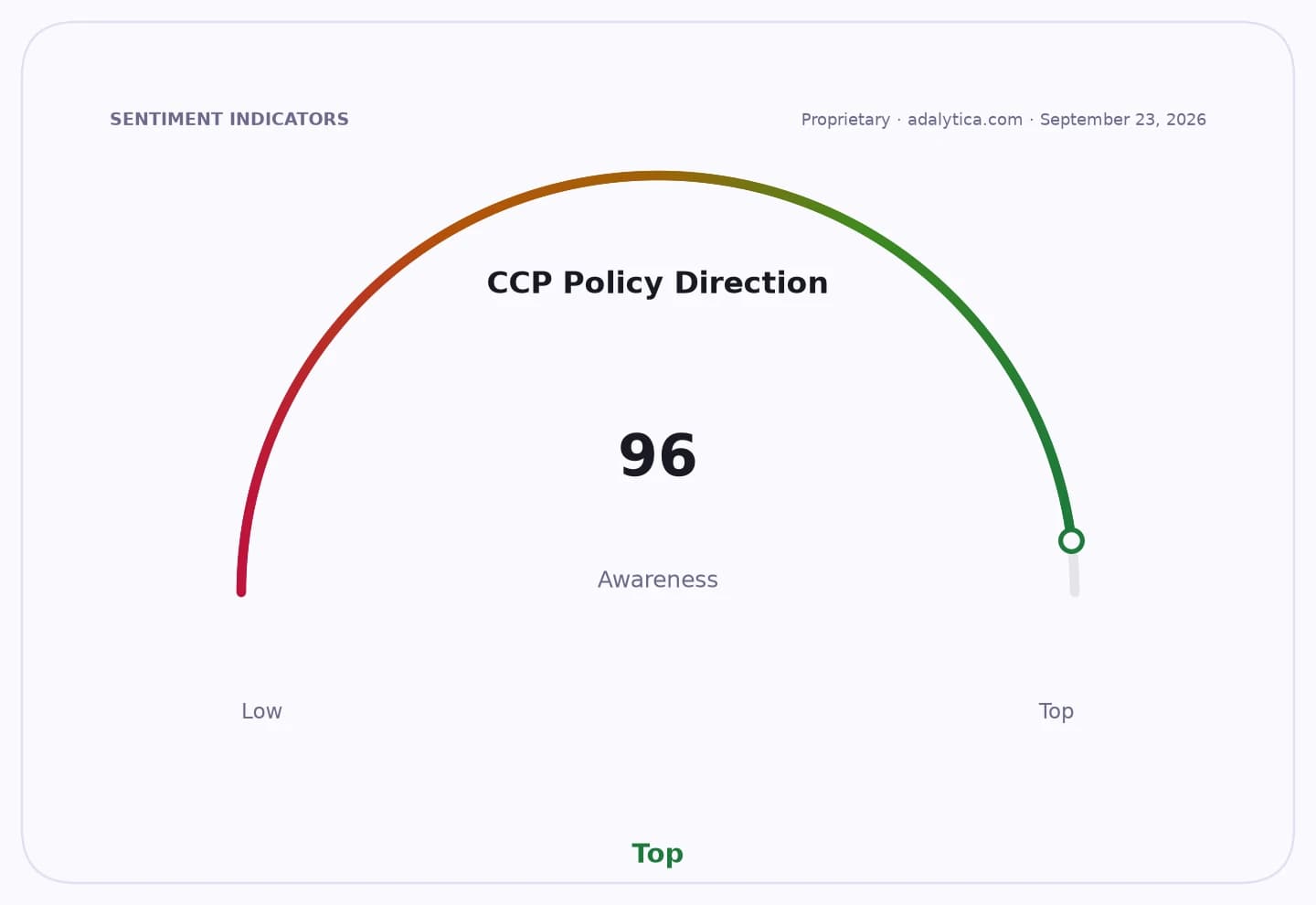
Pacific Island leaders have finally put their concerns about China’s recent missile test into a joint statement, a small but meaningful diplomatic pushback that underscores how the region’s security debate is becoming harder for Beijing to ignore.
Pacific Islands Forum rebukes China missile test

The Pacific Islands Forum’s 18 member nations and territories said they were “concerned” about the test, a carefully chosen phrase that still amounts to a direct rebuke of China’s July launch into the South Pacific. For investors, the significance is not the wording itself but what it signals: the Pacific is no longer a passive arena in China’s contest for influence, and regional governments are showing they can coordinate, however cautiously, on security issues that affect trade routes, maritime claims and great-power alignment.

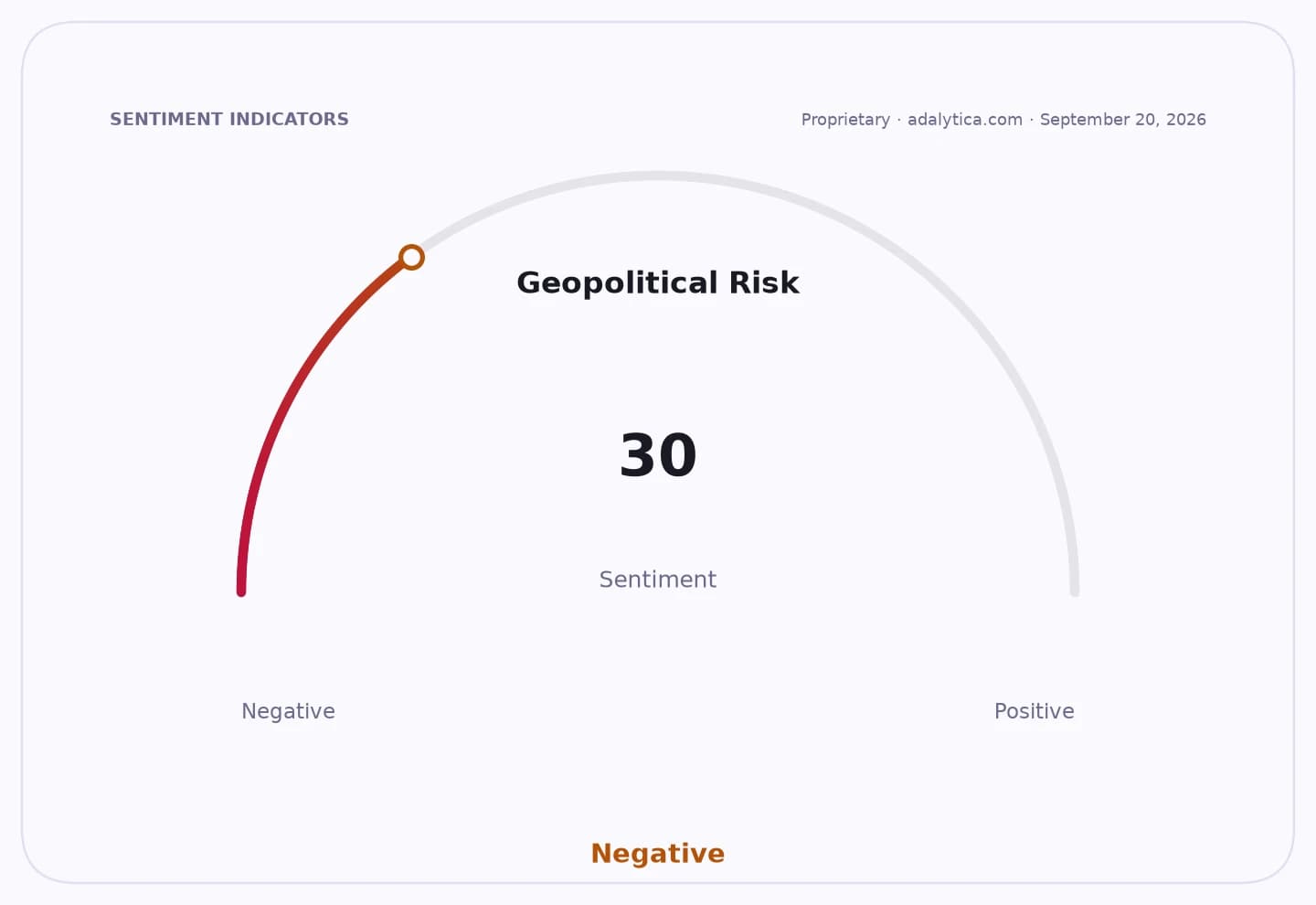
That matters economically because geopolitical tension rarely stays confined to diplomacy. The Pacific sits astride shipping lanes, fishing rights, undersea cables and strategic access points that matter to Australia, New Zealand, the U.S. and China alike. Any sign that Pacific governments are more willing to organize around security concerns raises the odds of tighter scrutiny on Beijing’s regional ambitions and a more contested operating environment for Chinese state-backed engagement across the islands.
The statement also highlights how divided the region remains. Foreign ministers failed to settle the matter in August, forcing leaders to keep negotiating until this week’s summit in Palau. That delay is a reminder that Pacific states have different dependencies and priorities: some want a firmer line on sovereignty, while others are reluctant to provoke their largest trading partner. The compromise language suggests consensus is possible, but only at the edges.
Taiwan’s presence at the summit added another layer of friction. Palau remains one of the few Pacific countries with formal ties to Taipei, and China’s irritation over that fact is part of the broader rivalry playing out in the region. That rivalry has real economic consequences for aid flows, infrastructure financing and diplomatic alignment, all of which can affect investment conditions from ports to telecommunications.
For market watchers, the immediate read-through is limited, but the longer-term one is clear. A more openly skeptical Pacific could reinforce support for U.S. and allied engagement in the region and keep geopolitical risk elevated around China-linked projects and partnerships. That does not make the Pacific a trading story in the narrow sense, but it does feed into the broader case for caution on China exposure and for investors to stay diversified across Asia-Pacific assets.
China’s military modernization will continue, and so will Pacific pushback. The next forum meeting in New Zealand will show whether this joint statement becomes a one-off compromise or the start of a more coordinated regional stance. Investors should treat the issue as worth watching: small diplomatic shifts can become durable geopolitical trends, and those trends eventually find their way into valuations.
| Entity | Gains | Losses |
|---|---|---|
| Pacific Islands Forum members | ▲Regional unity | ▼Diplomatic caution |
| China | ▲Continued regional access | ▼Softer Pacific environment |
| Taiwan | ▲Visibility in Pacific | ▼China’s displeasure |
| Investors in Asia-Pacific risk assets | ▲Clarity on tensions | ▼Complacency on geopolitics |