Misleading packaging in grocery stores is moving from a reputational issue to a regulatory and margin issue, and that is why the review matters for retailers, suppliers and investors alike.
Packaging Rules Create Winners And Margin Pressure
The immediate economic significance is that Europe is signaling tougher scrutiny of how food and household goods are presented to shoppers, with a clear focus on packaging that may mislead consumers or undermine recyclability. That raises compliance costs, but more importantly it can force changes in packaging design, materials and labeling across the grocery supply chain — a problem that lands not just on manufacturers, but on supermarkets that must police shelf presentation and absorb some of the operational fallout.
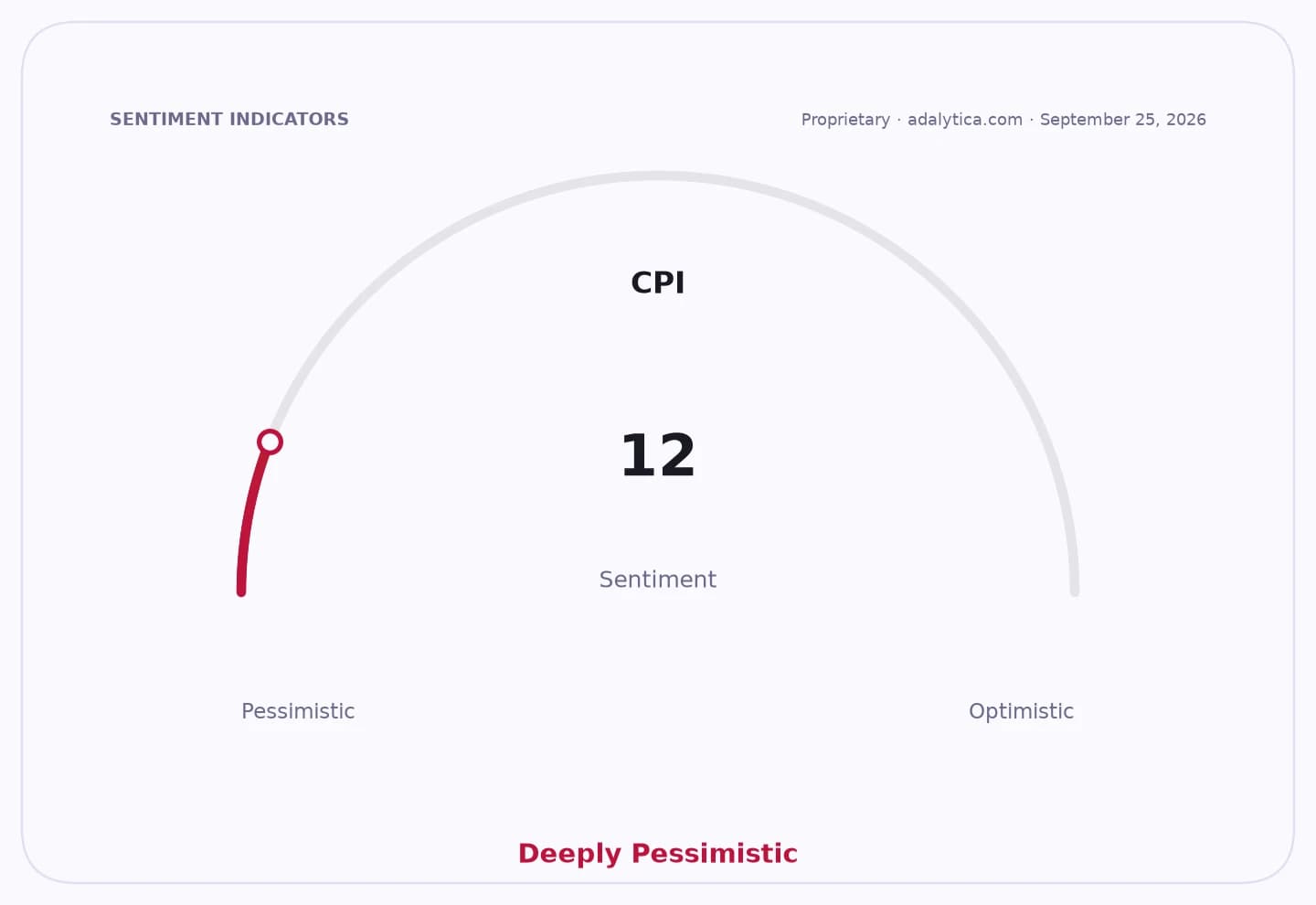
Sentiment IndicatorsⓘProprietary · adalytica.com · July 16, 2026
This is a snapshot — live sentiment, awareness and momentum for 130+ markets update continuously in the dashboard.Open AlphaPulse
That is why the DS Smith Packaging Italia and Tiber Pack collaboration is more than a niche sustainability story. Their glue-free Nicetuck technology is designed to improve recyclability by eliminating adhesives that can make packaging harder to process, and it lands squarely in the path of new EU packaging requirements. For investors, that creates a classic picks-and-shovels trade: companies that sell compliant, recyclable packaging solutions stand to gain pricing power and share as brands scramble to retrofit packaging ahead of tighter rules.
The market should also pay attention to the second-order effects on grocers and consumer staples groups. Walmart, Target and Kroger sit at the center of a retail system where packaging is both a cost line and a branding tool. Walmart shares have been digesting a sharp pullback from recent highs, while Target’s stock has stayed stronger, and Kroger has been pressured more aggressively — a reminder that investors are already separating retailers by execution and resilience. New packaging rules do not hit earnings in one clean line item, but they can add friction to procurement, inventory management and private-label rollouts at a time when margins are still vulnerable.
The bigger thesis is that regulation is turning packaging into an investment theme, not just an operational detail. Brands that move early toward recyclable, glue-free or otherwise compliant formats may win shelf space and consumer trust, while laggards risk higher costs, slower approvals and more scrutiny from both regulators and shoppers. That is especially relevant in Europe, where circularity rules are likely to spread through multinational supply chains and eventually reshape standards elsewhere.
Adalytica’s food and grocery spending sentiment remains in extreme fear even as broader consumer sentiment is in extreme greed, which underscores the pressure on grocery operators to defend trust and value at the same time. In that environment, packaging is no longer cosmetic. It is part of the value proposition, the compliance burden and the competitive moat.
Investors looking for asymmetry should focus on the enablers — sustainable packaging specialists, materials companies and selected consumer brands that can prove they are ahead of the regulatory curve — while treating the most exposed grocers and suppliers as businesses facing another layer of cost inflation and operational complexity. The opportunity is in owning the companies that help the industry adapt before the market fully prices the transition.
| Entity | Gains | Losses |
|---|---|---|
| DS Smith Packaging Italia / Tiber Pack | ▲Compliance-driven demand | ▼Legacy packaging rivals |
| EU regulators | ▲Cleaner packaging rules | ▼Loophole-driven packaging |
| Walmart / Target / Kroger | ▲Long-term trust gains | ▼Near-term compliance costs |
| Consumer brands / suppliers | ▲Better shelf credibility | ▼Rework and margin pressure |