Pakistan’s latest car price lists underscore how expensive it remains to buy a new vehicle, with Toyota still anchoring the top end of the market and mainstream imports like the Audi Q3, BMW X1 and Proton X70 sitting well above the reach of most households.
Pakistan Car Prices Stay High Across Toyota Models
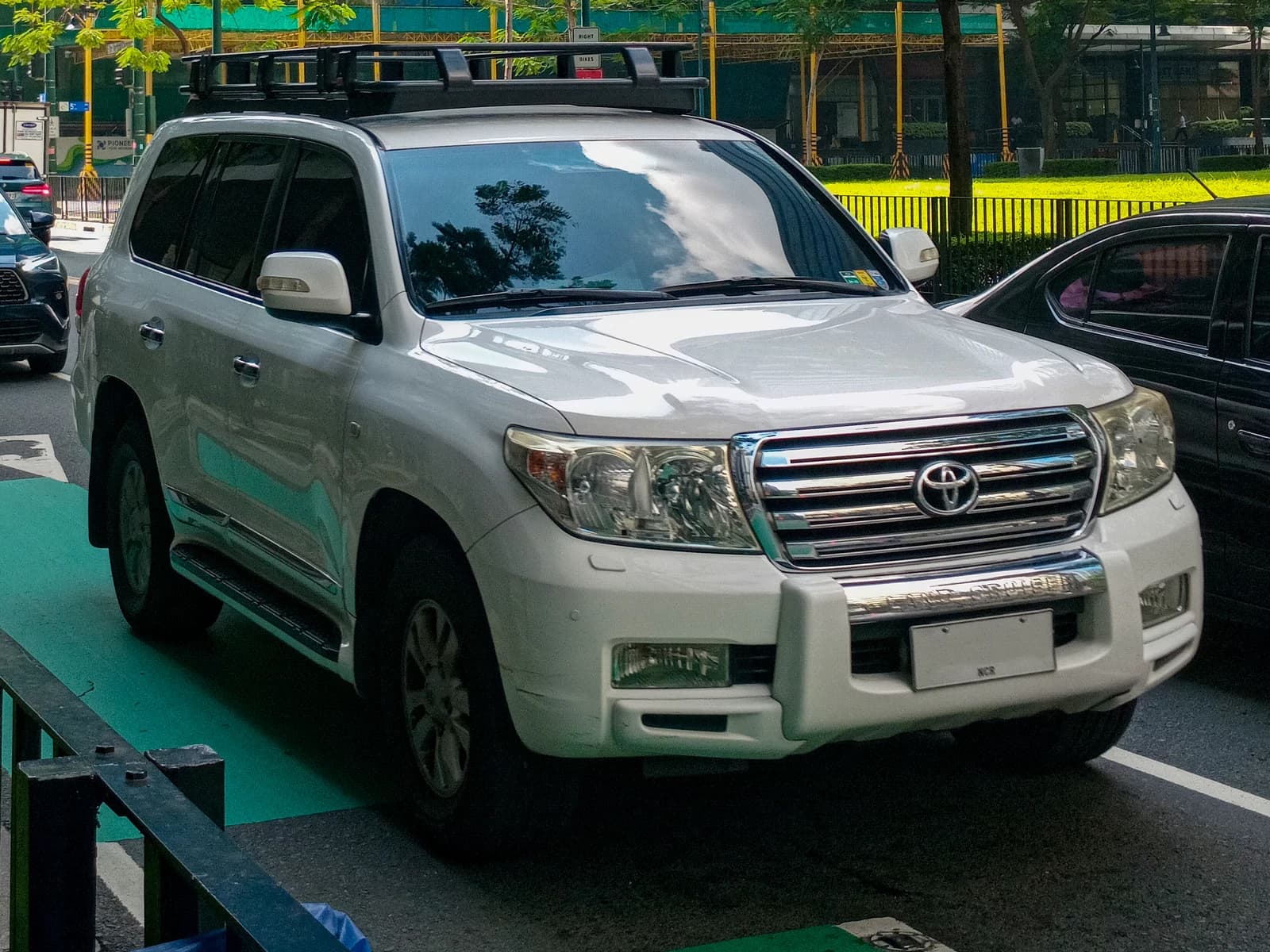
That matters because car prices in Pakistan are not just a consumer issue; they are a proxy for inflation, currency pressure and weak affordability in a market where import costs, taxes and financing rates heavily shape demand. The latest Toyota listings show a Land Cruiser at PKR 156,829,000, a Hilux at PKR 16,149,000 and a Prius at PKR 14,649,000, while a Corolla is priced at PKR 6,169,000. Even older Toyota models remain expensive, with a 2022 Fortuner listed at PKR 14,699,000 and a 2022 Aqua at PKR 4,500,000, reflecting how constrained supply and high landed costs continue to filter through the market.
Sentiment IndicatorsⓘProprietary · adalytica.com · September 26, 2026
This is a snapshot — live sentiment, awareness and momentum for 130+ markets update continuously in the dashboard.Open AlphaPulse
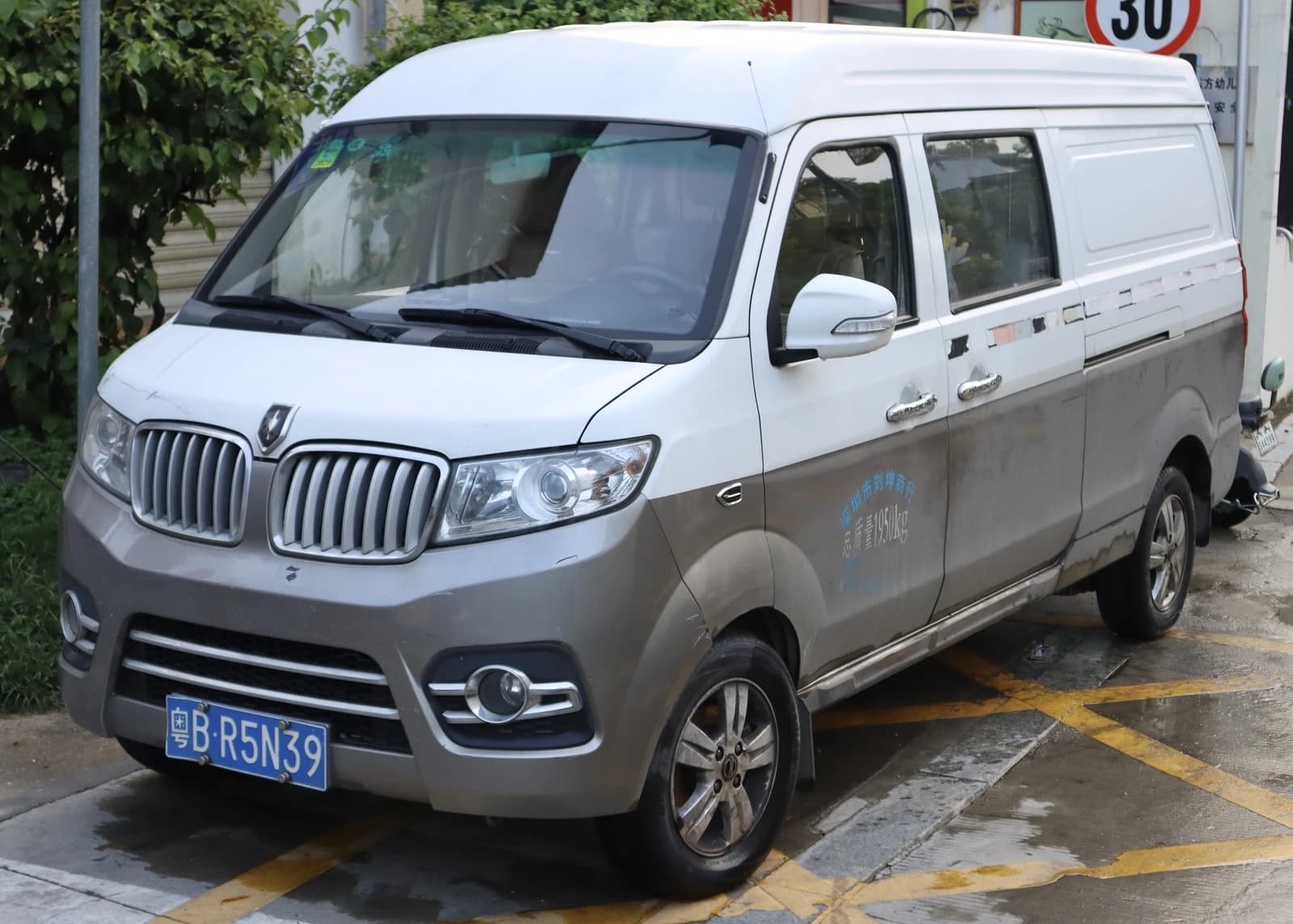
The seed list also points to the spread between mass-market and premium demand. Models such as the Proton X70 Executive AWD, Suzuki Jimny JLDX, Toyota Corolla Altis X CVT-i 1.8 and Changan M8 cater to buyers seeking value, but their pricing still leaves them exposed to the same macro headwinds as luxury nameplates. In a market where fuel efficiency, resale value and maintenance costs matter as much as sticker price, Toyota retains an advantage because buyers view it as a safer store of value than newer or less established brands.
For investors and automakers, the significance is twofold. First, elevated pricing can protect margins for assemblers and dealers if volumes hold up. Second, it risks suppressing demand in a market that already depends on a narrow pool of upper-income buyers and fleet purchases. That tension helps explain why pricing updates draw outsized attention: even small changes can shift bookings, used-car valuations and financing demand.
The broader narrative is one of a strained auto market where affordability is the key battleground. Toyota’s dominance, the resilience of premium SUVs and the persistence of high prices suggest Pakistan’s car market is still being shaped more by currency weakness and import economics than by a normal consumer cycle. Unless financing conditions ease or duties fall, price lists are likely to remain the main story, not unit growth.
| Entity | Gains | Losses |
|---|---|---|
| Toyota | ▲Pricing power | ▼Mass-market affordability |
| Premium buyers | ▲Access to SUVs/sedans | ▼Lower bargain options |
| Assemblers/dealers | ▲Higher rupee revenues | ▼Volume-sensitive demand |
| Price-sensitive consumers | ▲None | ▼New-car affordability |