Pakistan’s deputy prime minister said China’s Communist Party model of staying connected with the public is worth emulating, underscoring Islamabad’s effort to keep its most important strategic relationship aligned as the two countries mark 75 years of diplomatic ties.
Pakistan backs China ties in diplomatic talks
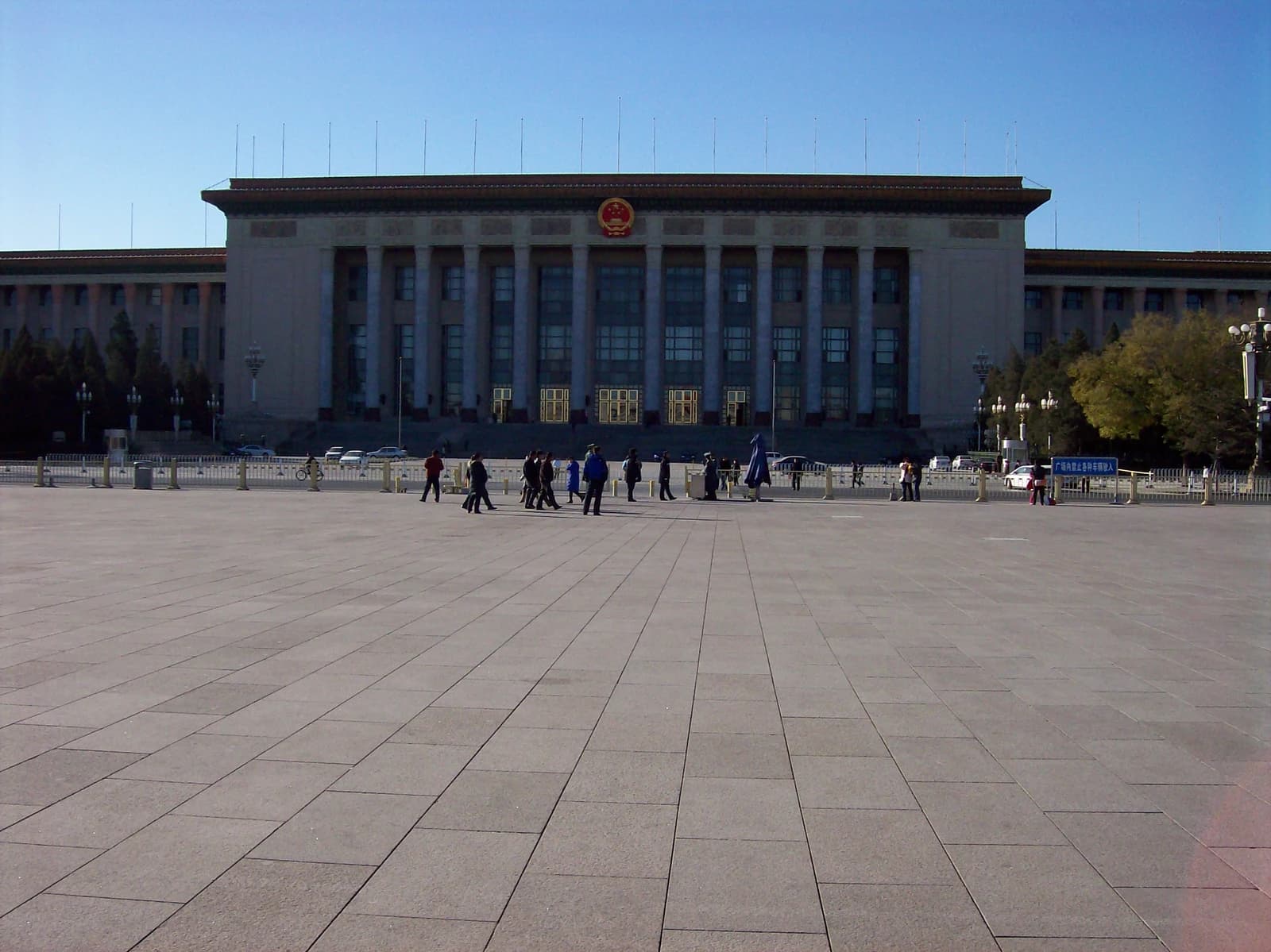
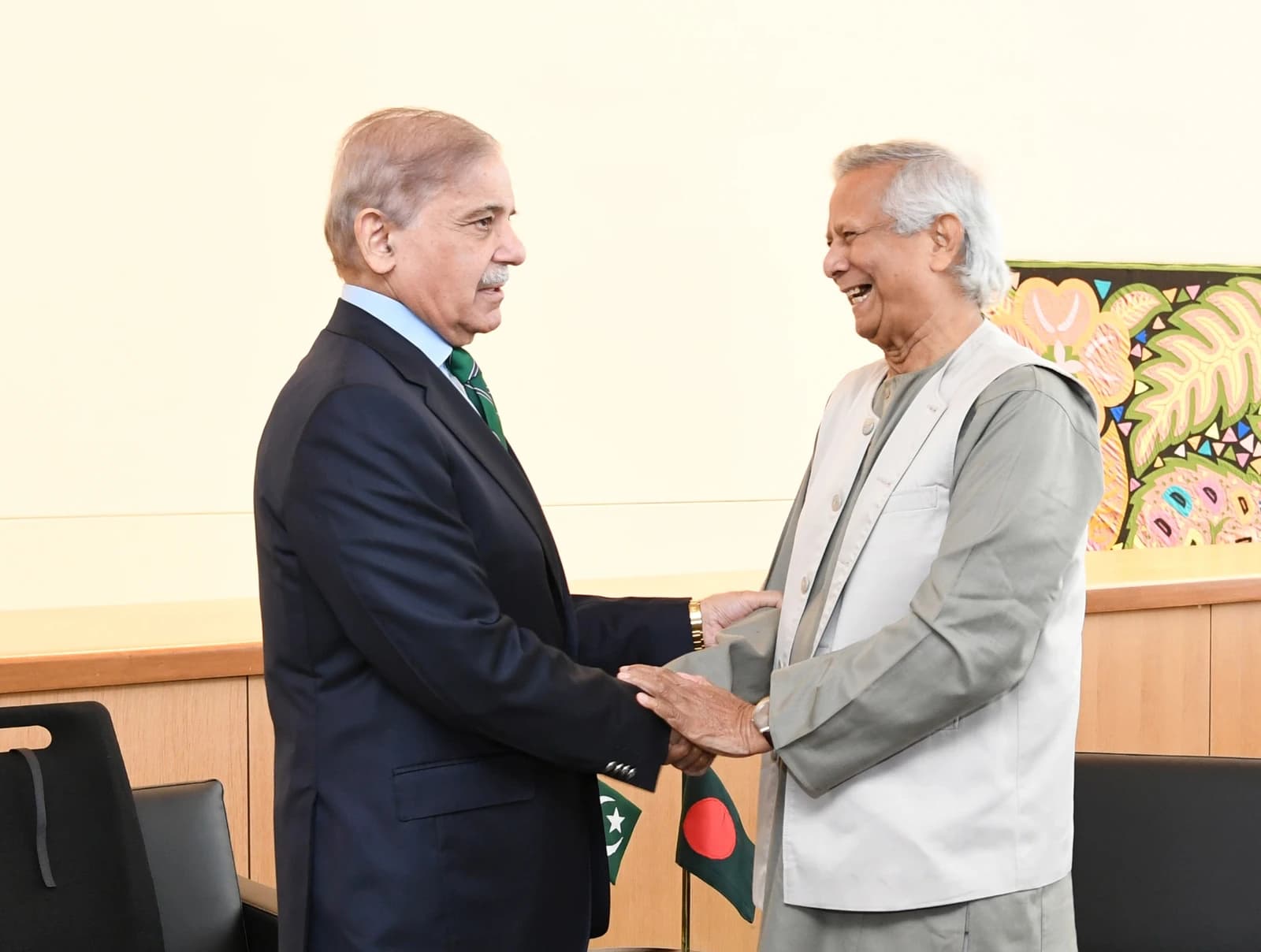
Ishaq Dar’s remarks came during talks with Liu Haixing, a senior Chinese Communist Party official visiting Pakistan, and framed the relationship as one built not just on trade and infrastructure but on political coordination and shared governance language. For investors watching China-linked policy in South Asia, the message is that Islamabad is signaling continuity with Beijing at a time when regional alliances and development financing remain under scrutiny.
Sentiment Indicators
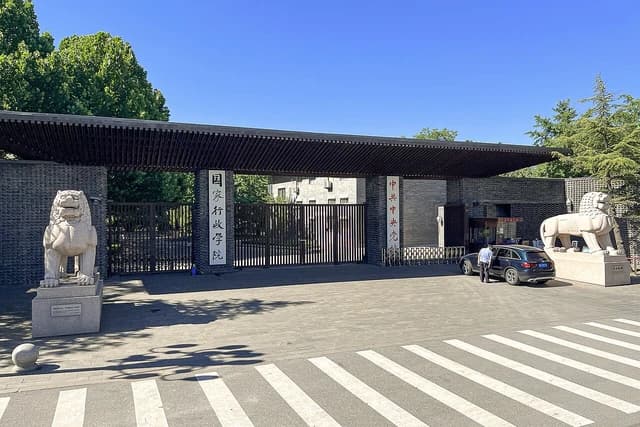
Dar praised Xi Jinping’s leadership, saying China’s development was driven by party-building, self-correction and people-centered governance. He also pointed to mechanisms including the China-Pakistan Political Parties Forum and the CPEC joint consultation mechanism as important channels for cooperation, as the two countries look to widen coordination on policy and development.
The comments land against a backdrop of uneven sentiment toward China-related assets. The iShares MSCI China ETF, FXI, was last at $33.37, below its 50-day moving average of $34.14 and its 200-day average of $35.49, while the KraneShares CSI China Internet ETF, KWEB, traded at $23.56, also below both its 50-day average of $24.62 and 200-day average of $27.92. The MSCI China-tracking MCHI was last at $49.83, under its 50-day average of $52.33 and 200-day average of $55.46.
Technical readings show the China equity complex remains fragile rather than trending decisively higher. FXI’s RSI was 39.4, MCHI’s was 26.7 and KWEB’s was 32.2, suggesting weak momentum after a volatile year for Chinese stocks.
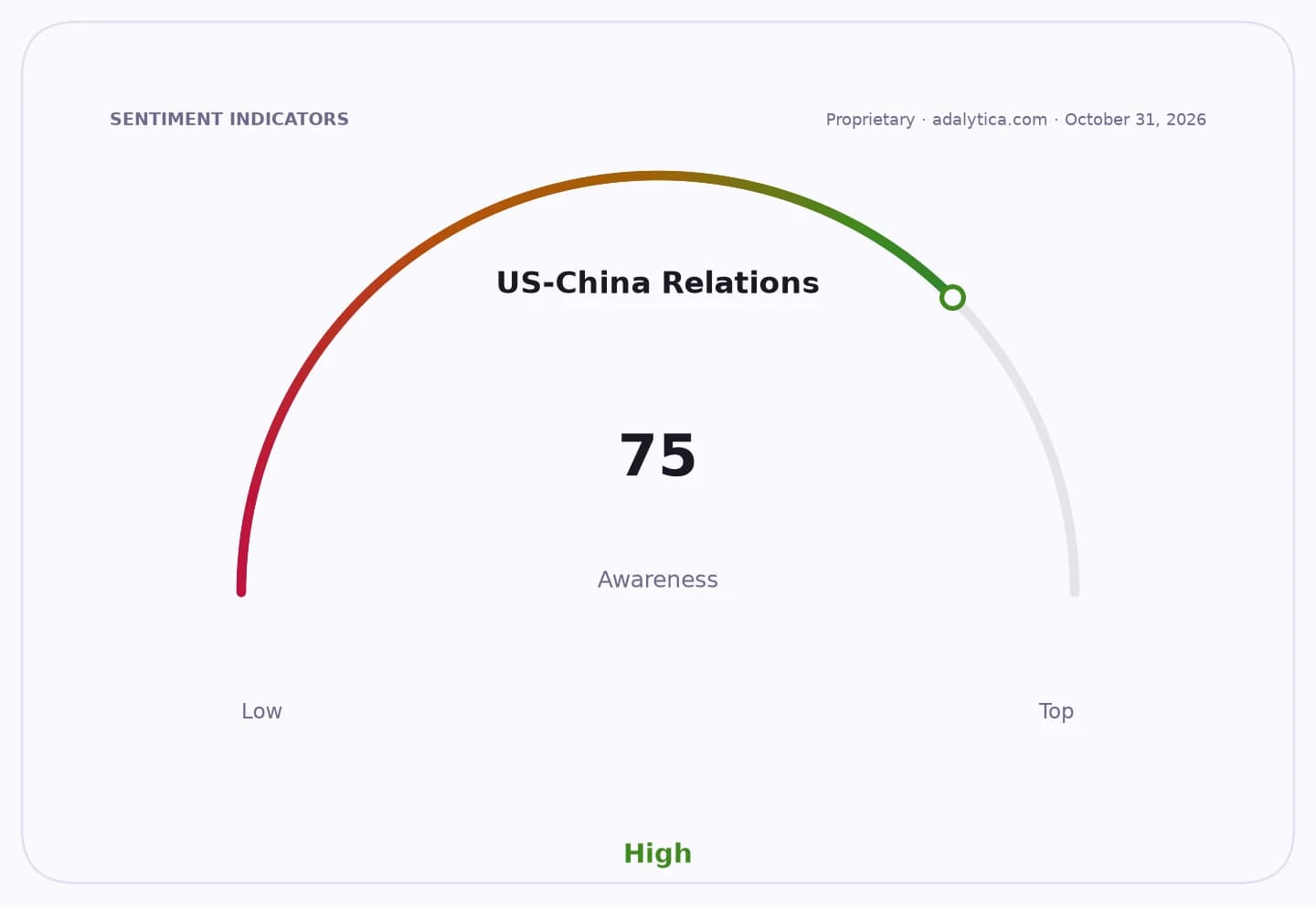
The broader geopolitical backdrop is also in focus. Adalytica’s US-China relations gauge showed a neutral sentiment reading of 38, while its global stability gauge was at 89, or “extreme greed,” indicating markets are still pricing in elevated strategic risk even as diplomatic rhetoric between Beijing and its partners remains constructive.
For investors, the immediate market impact is limited, but the narrative matters: Pakistan is leaning further into its China alignment, keeping CPEC and political-party engagement central to the bilateral agenda. Any follow-through on infrastructure, financing or trade coordination could support China-exposed sentiment in the region, even if the broader China equity trade remains dependent on domestic growth data and policy support.
| Entity | Gains | Losses |
|---|---|---|
| Pakistan government | ▲Tighter China ties | ▼Policy flexibility with other partners |
| China’s leadership | ▲Diplomatic support in South Asia | ▼Pressure to deliver visible economic gains |
| China-linked investors | ▲Potential CPEC continuity | ▼None immediate if rhetoric stays symbolic |
| China equity holders | ▲Better sentiment on Pakistan ties | ▼Weak technical backdrop if growth disappoints |