Artificial intelligence and tighter Gulf labour rules could put as many as seven in 10 migrant jobs at risk, raising the prospect of slower worker flows from the Middle East and a future hit to remittances for economies such as Pakistan.
Pakistan Gulf migration shifts toward skilled workers
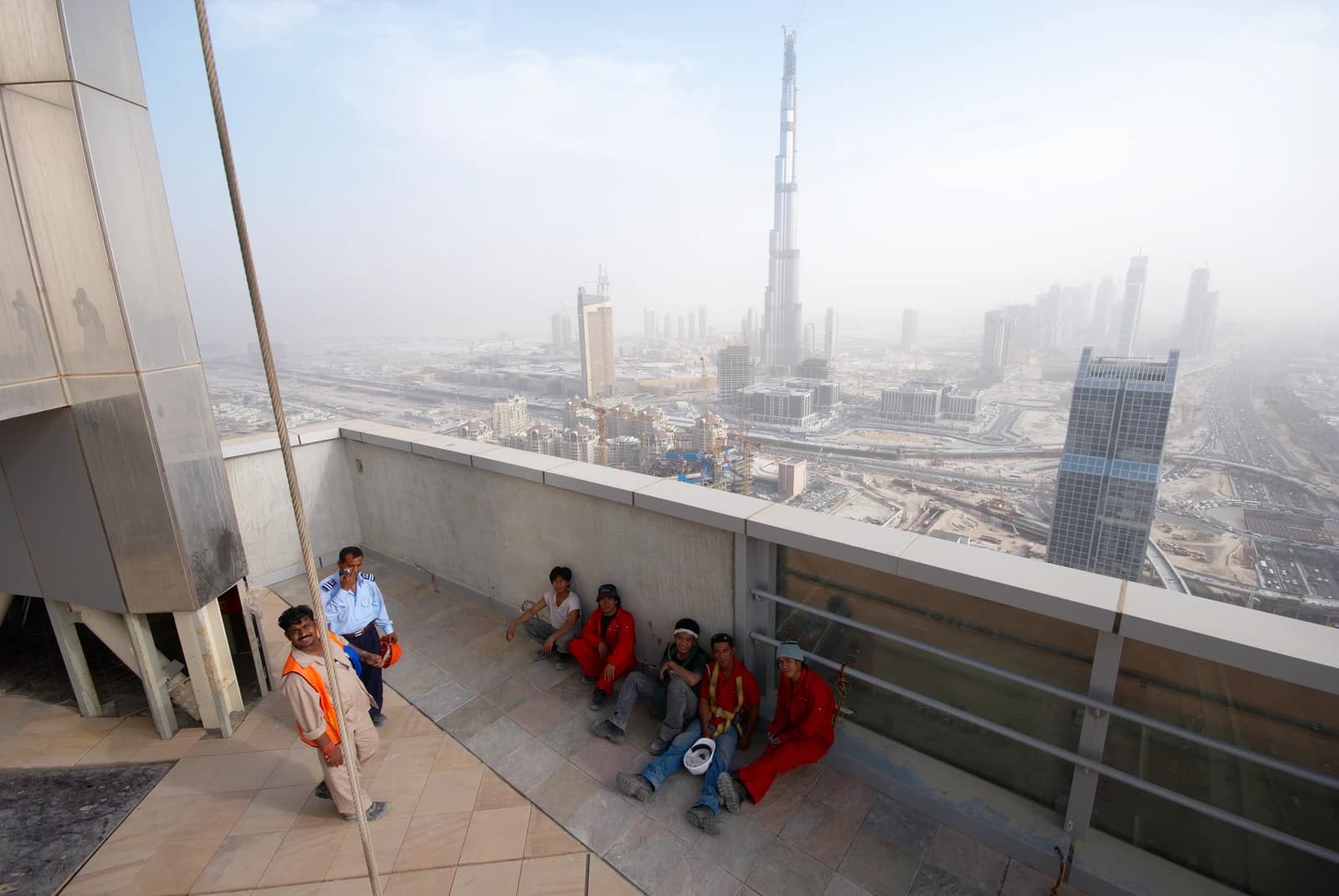
Economists and migration specialists warned at a Lahore conference that the Gulf corridor is moving away from mass hiring of low- and semi-skilled workers toward a more selective system built around skills, occupations and migration pathways. That shift matters because Gulf jobs have long been one of South Asia’s biggest sources of foreign exchange, household income and social stability.
Sentiment Indicators
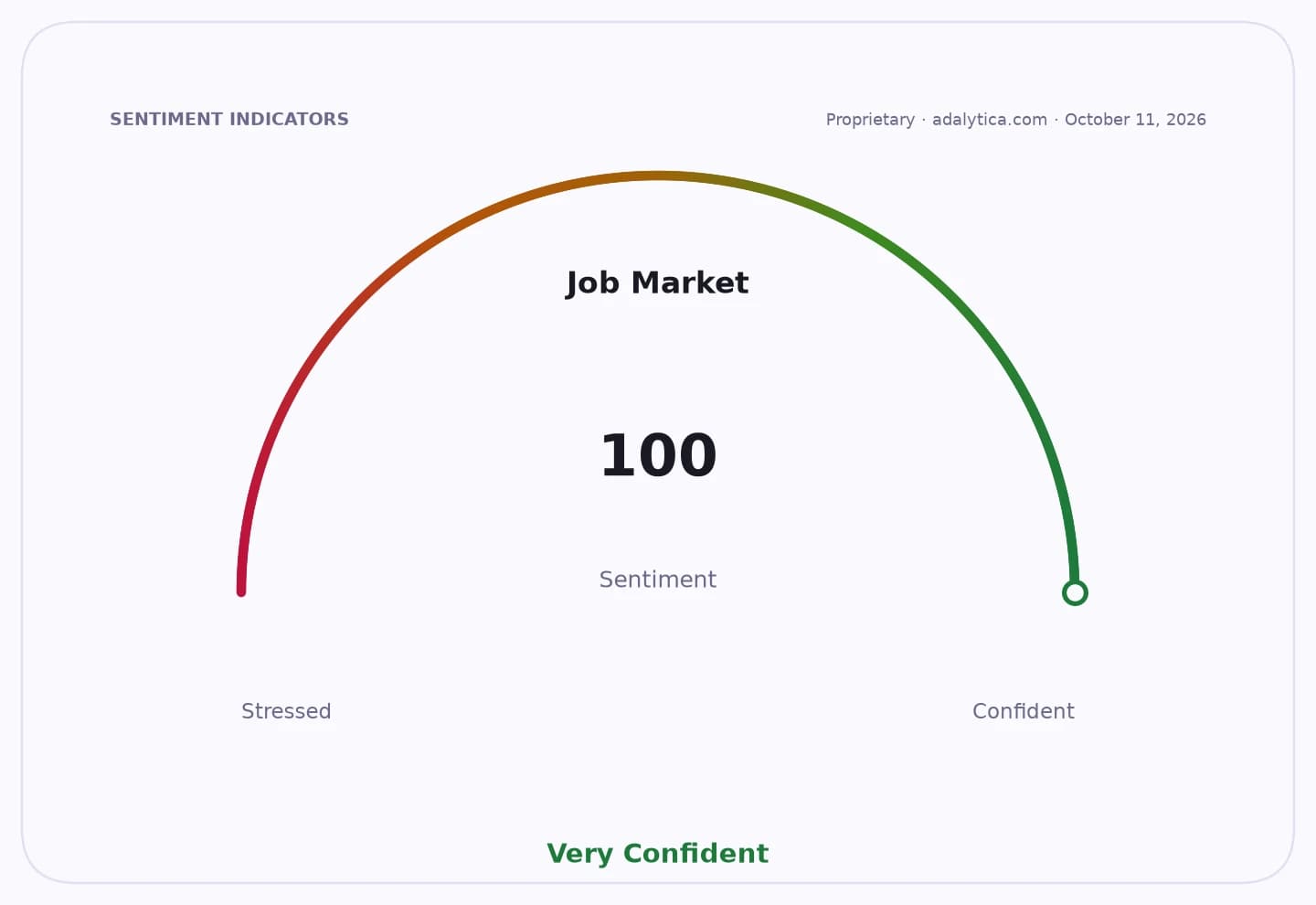
Job Market
Dr Nasir Iqbal of the Pakistan Institute of Development Economics said 2026 had “fundamentally reshaped” migration as conflict and AI altered how Gulf states approach foreign labour. He said sending countries were increasingly being pulled into screening and preparing workers, a change that could help match labour supply to new demand but also leave unskilled migrants with fewer openings.
The warning lands at a sensitive moment for Pakistan, where overseas employment has remained a pressure valve for a weak domestic labour market and a crucial support for the current account. Any slowdown in departures to Gulf states would eventually filter through to remittance growth, even if current inflows still mask the longer-term risk.
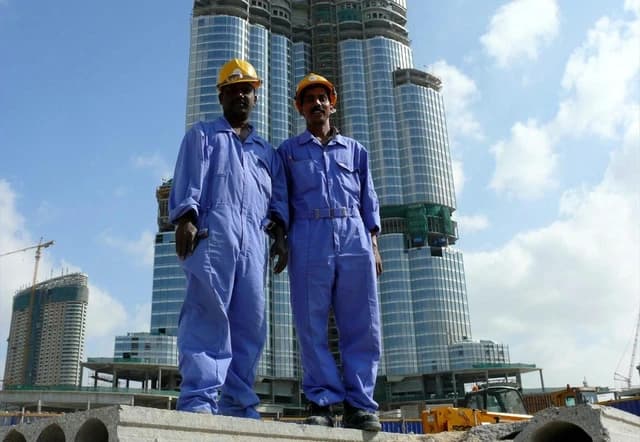
Other speakers said traditional routes for low- and semi-skilled workers are tightening across the Gulf, while skilled professionals are finding better prospects in North America, Europe and parts of the Middle East. That leaves Pakistan and other labour exporters facing a more uneven market: stronger demand for highly trained workers, but less room for the workers who have historically gone abroad in larger numbers.
The conference also highlighted broader restrictions outside the Gulf. Evolving European Union rules, including stricter border controls, biometric surveillance and return measures, are reshaping migration from Pakistan and Bangladesh, while anti-smuggling policies are affecting routes, departures and migrant casualties.
For investors and policymakers, the message is that migration is no longer just a social issue but a macroeconomic one. Countries that rely on remittances, including Pakistan and Nepal, may need to invest more in skills, credential recognition and job matching before Gulf hiring patterns shift further.
The next test will be whether governments can adapt labour policy fast enough to preserve overseas work opportunities as AI adoption, conflict and tighter border controls continue to redraw migration flows.
| Entity | Gains | Losses |
|---|---|---|
| Skilled workers | ▲Better overseas demand | ▼Low- and semi-skilled migrants |
| Pakistan policymakers | ▲Incentive to upgrade training systems | ▼Remittance-dependent economy |
| Gulf employers | ▲More targeted labour supply | ▼Cheap mass-labour access |
| Migrant households | ▲Potential higher wages for qualified workers | ▼Families relying on traditional Gulf jobs |