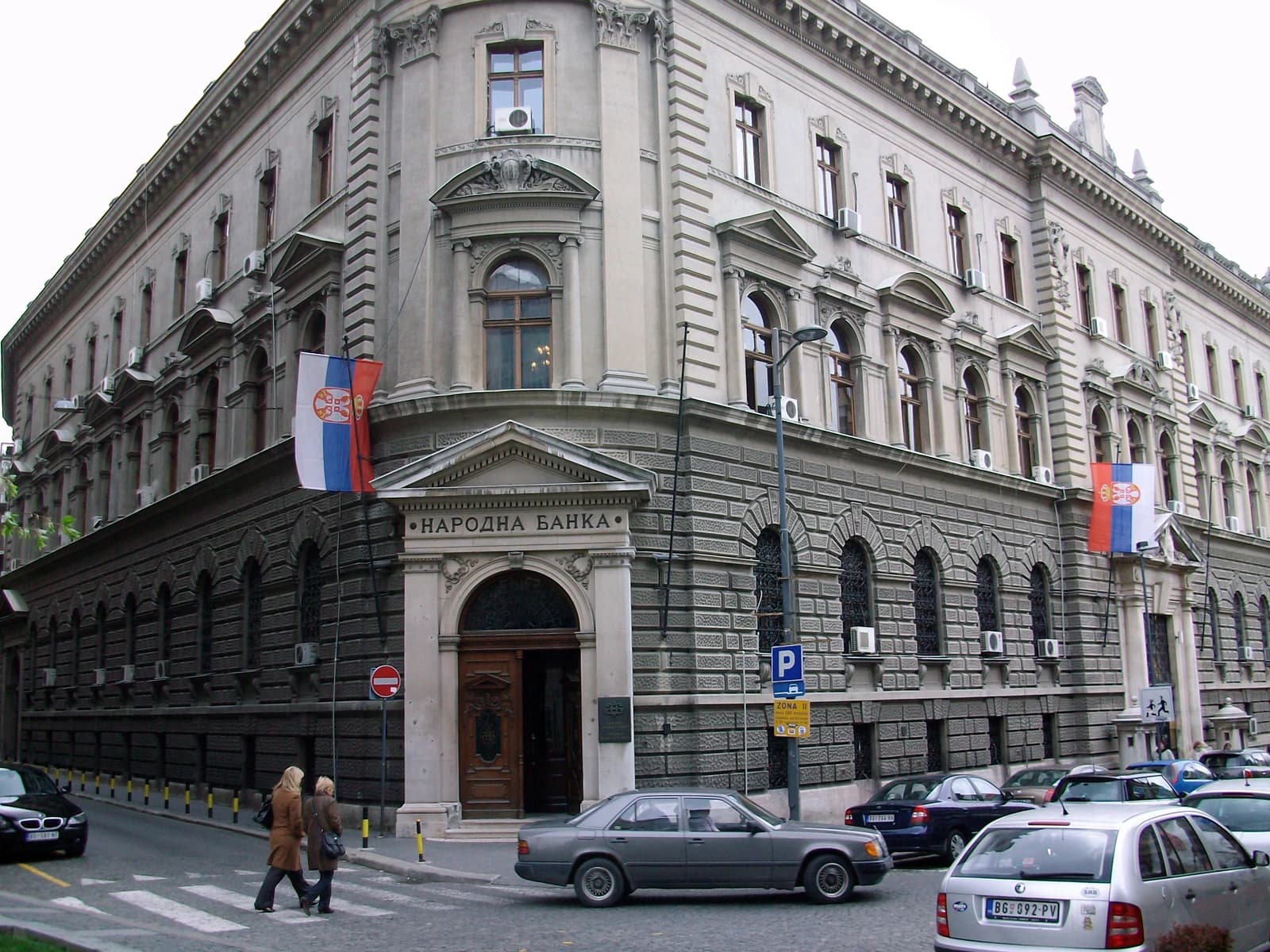
Pakistan’s inflation cooled in October, but not enough to change the central bank’s tightening bias after the State Bank of Pakistan lifted its policy rate to 12% last week to counter renewed price pressures from higher energy costs.
Pakistan inflation cools as SBP keeps tight policy
CPI
Consumer prices rose 9.61% from a year earlier, down from 10.26% in September, official data showed Monday, but still above the 9.5% median estimate in a Bloomberg survey. Core inflation, which strips out food and energy, eased to 7.8% from 8.6%, suggesting underlying price momentum is moderating even as headline inflation stays uncomfortably elevated.
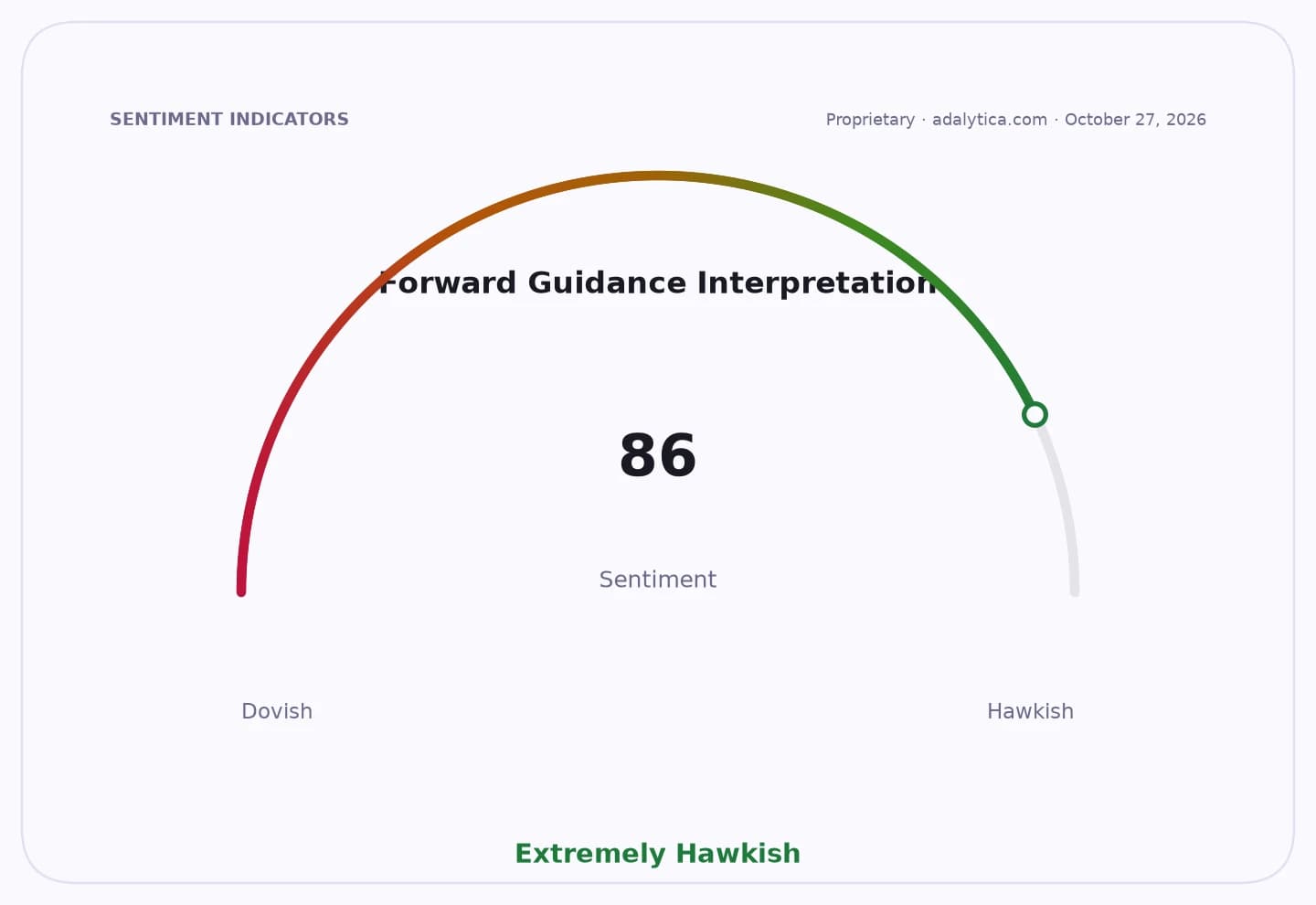
Sentiment Indicators
CPI
The read-through for policy is clear: the disinflation trend has improved, but it has not yet returned Pakistan to the central bank’s 5% to 7% target band. That matters because the SBP has already judged the recent spike in global energy prices, worsened by the Middle East conflict, to be significant enough to warrant its first rate increase since April. The committee said the shock had so far been contained by monetary tightening and fiscal discipline, but warned the inflation outlook had deteriorated.
For investors, the mix is both reassuring and fragile. On one hand, cooler core inflation and stable foreign exchange reserves near $21 billion reduce the risk of a near-term balance-of-payments stress event. Pakistan has also reached a staff-level agreement with the IMF, which supports external financing visibility and can help anchor market confidence.
On the other hand, the latest inflation print is still too hot for comfort and leaves the SBP with little room to ease financial conditions quickly. Average consumer price growth in the first four months of the fiscal year ran at 10.05%, more than double the 4.79% pace a year earlier, underscoring how persistent the squeeze remains for households and firms. That combination of sticky prices and higher borrowing costs weighs on consumption, investment and credit demand, even as real GDP growth has been revised to 3.7%.
The broader narrative is that Pakistan is trying to preserve macro stability while absorbing an imported energy shock. If oil and other energy prices stay elevated, inflation could remain above target for longer and force the SBP to keep policy tight. If the external environment improves, the recent easing in core prices gives policymakers some room to argue that the worst of the inflation spike may be passing.
| Entity | Gains | Losses |
|---|---|---|
| State Bank of Pakistan | ▲Better inflation credibility | ▼Slower credit growth |
| Pakistani savers | ▲Higher policy-rate returns | ▼Real incomes still pressured |
| Borrowers and consumers | ▲Slightly cooler core inflation | ▼Higher financing costs |
| Government and IMF program | ▲Stronger macro stability case | ▼Less room for policy easing |