Pakistan’s Health Ministry and the Special Investment Facilitation Council have agreed to work together on a healthcare overhaul, a sign the government wants to treat hospitals and access to care as an investment issue as much as a social one.
Pakistan Health Ministry and SIFC plan healthcare overhaul
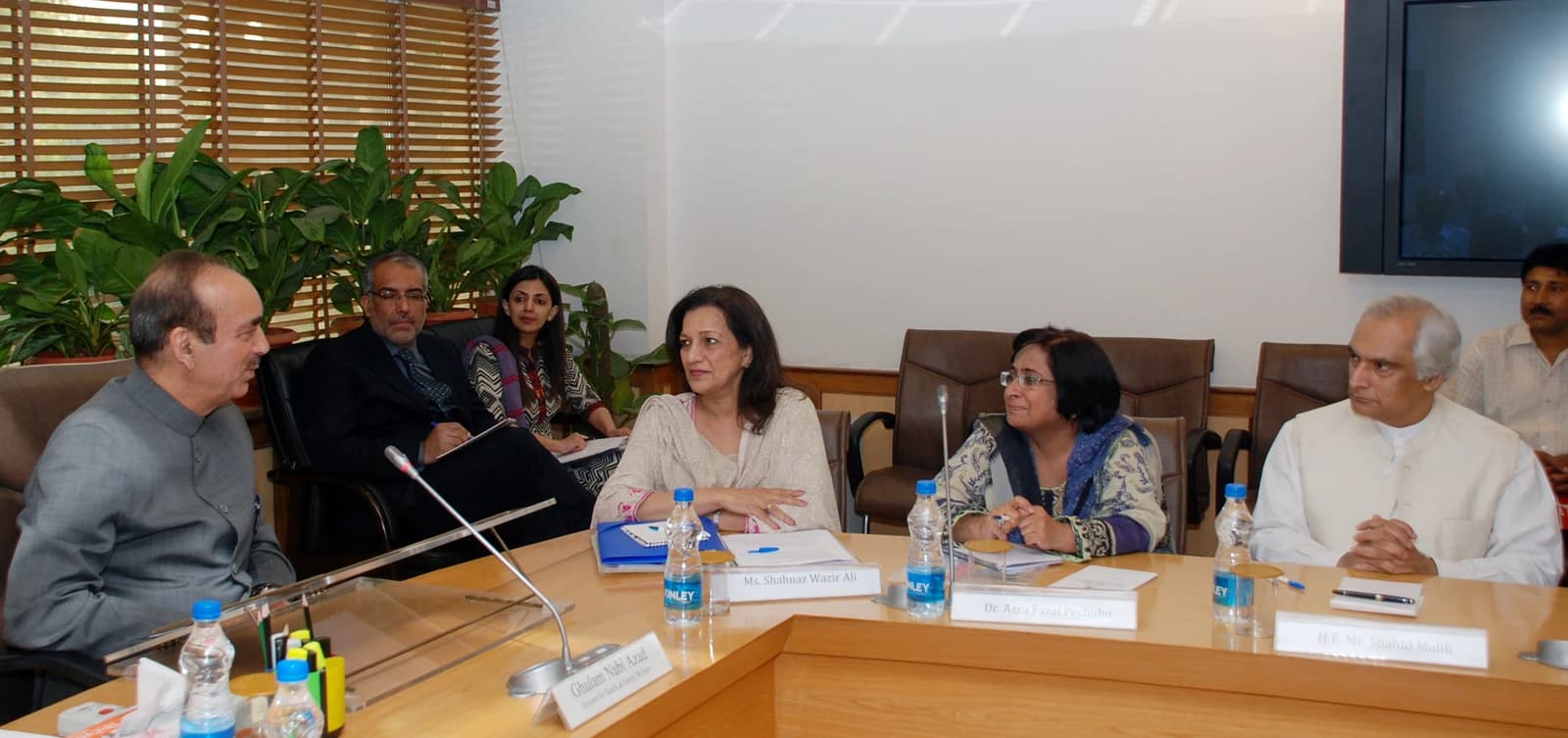
The move matters because Pakistan’s health system has long suffered from underinvestment, uneven access and weak infrastructure, especially outside major cities. Bringing the SIFC into the effort suggests officials are trying to use the state-backed investment push that has been used in energy and other strategic sectors to attract capital, streamline approvals and accelerate projects in clinics, diagnostics, medical supply chains and public-private partnerships.
For investors, the key question is whether this becomes a real pipeline of bankable projects or stays at the level of policy coordination. A more structured healthcare push could create opportunities for local and foreign operators in hospital networks, pharmaceuticals, medical devices, insurance and digital health. It could also improve the operating environment for companies that depend on a healthier workforce and a broader insured patient base.
The timing is important. Pakistan is still trying to stabilize growth, contain fiscal pressure and draw in long-term investment. Healthcare spending is often viewed as a drag on public budgets, but it can also support productivity, labor participation and domestic demand over time. If the revamp unlocks private capital, it could ease some of the burden on the state while opening a new theme for investors looking beyond the usual power, telecom and infrastructure plays.
The main risk is execution. Healthcare reform in Pakistan has repeatedly run into funding gaps, provincial coordination problems and uneven implementation. If the SIFC cannot convert the initiative into clear incentives, procurement rules and project timelines, the announcement will matter more as a signal of intent than as a catalyst. Still, the involvement of a powerful investment body indicates the government wants healthcare to be part of its broader economic revival agenda.
| Entity | Gains | Losses |
|---|---|---|
| Pakistan government | ▲Investment pipeline | ▼Fiscal pressure |
| SIFC | ▲Broader mandate | ▼Execution risk |
| Private healthcare investors | ▲New project opportunities | ▼Policy uncertainty |
| Public health system | ▲Potential upgrades | ▼Status quo inefficiency |