Pakistan’s new-car market is still marked by high sticker prices and selective repricing, underscoring how inflation, currency volatility and supply constraints are keeping ownership out of reach for many households while leaving automakers with little room to cut aggressively.
Pakistan new-car prices stay high across Toyota models
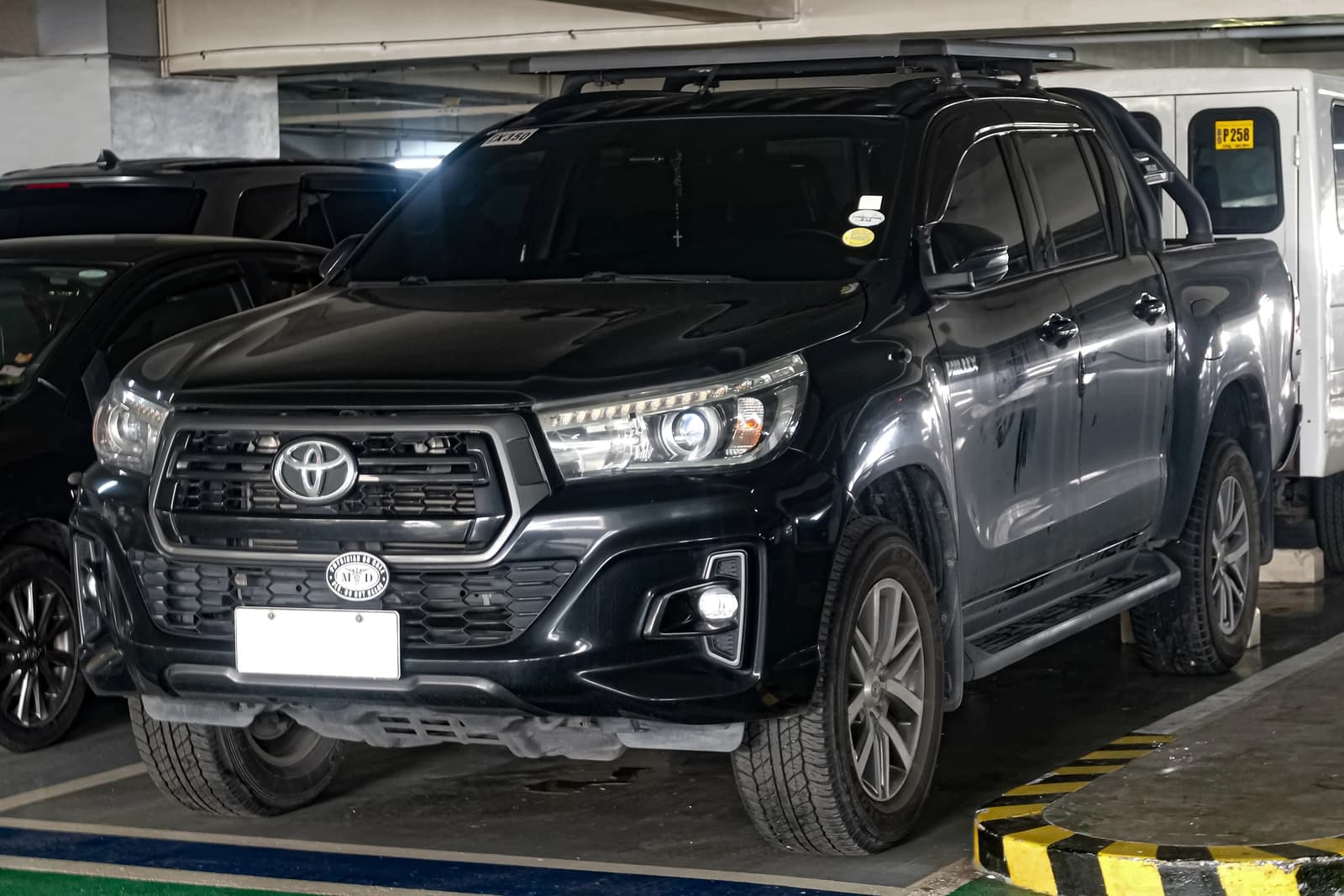
The clearest signal from the latest price lists is that mass-market and premium models remain expensive in rupee terms even after periodic updates. Toyota’s Pakistan price sheet shows a 2024 Land Cruiser at PKR 156.8 million, a Hilux at PKR 16.1 million and a Corolla at PKR 6.17 million, while a Toyota Aqua is listed at PKR 4.5 million. That spread captures a market where utility vehicles and imported nameplates command significant premiums, and where the gap between entry-level and aspirational models remains wide.
Sentiment Indicators
That matters economically because car pricing is not just a consumer issue in Pakistan; it is a read-through on purchasing power, financing conditions and the broader health of discretionary demand. When prices remain elevated, buyers delay purchases, trade down into smaller models or shift to the used-car market. That can weigh on factory volumes, dealer margins and ancillary spending on insurance, maintenance and financing. In a market already sensitive to imported components and foreign-exchange swings, frequent list-price adjustments are often less about demand creation than about preserving profitability and managing inventory.
The backdrop is not unique to Pakistan. Global auto pricing remains volatile, with manufacturers in multiple markets adjusting stickers in response to tariffs, policy changes and supply-chain costs. In the U.S., producer and consumer price measures continue to show the lingering effects of inflation in goods-heavy sectors, while industrial production points to a manufacturing base that is improving but not yet free of cost pressure. For automakers, that combination supports pricing power in some segments, but it also limits how much they can stimulate demand without sacrificing margins.
That tension helps explain why investors watch pricing discipline so closely across the sector. For Toyota, Hyundai, Honda, Kia, Changan and other brands active in Pakistan, the key question is whether higher prices can be sustained without choking off unit sales. The bull case is that premium SUVs and efficient sedans continue to attract buyers willing to pay for brand, reliability and fuel economy. The bear case is that prolonged affordability stress pushes consumers toward smaller cars, used imports or delayed replacement cycles, eroding volumes and pressuring local assembly.
For now, the market narrative is one of adjustment rather than relief: car prices remain sticky, buyers remain cautious and automakers continue to protect margins in a volatile environment. The next catalyst will be whether exchange-rate stability or policy support allows manufacturers to hold prices steady long enough for demand to recover, or whether another round of cost pass-through forces a fresh step-up in sticker prices.
| Entity | Gains | Losses |
|---|---|---|
| Automakers | ▲protect margins | ▼risk slower volume growth |
| Dealers | ▲benefit from higher-ticket inventory | ▼face weaker showroom demand |
| Buyers | ▲access to more model choice | ▼affordability worsens |
| Used-car sellers | ▲gain from substitution demand | ▼new-car buyers are deterred |