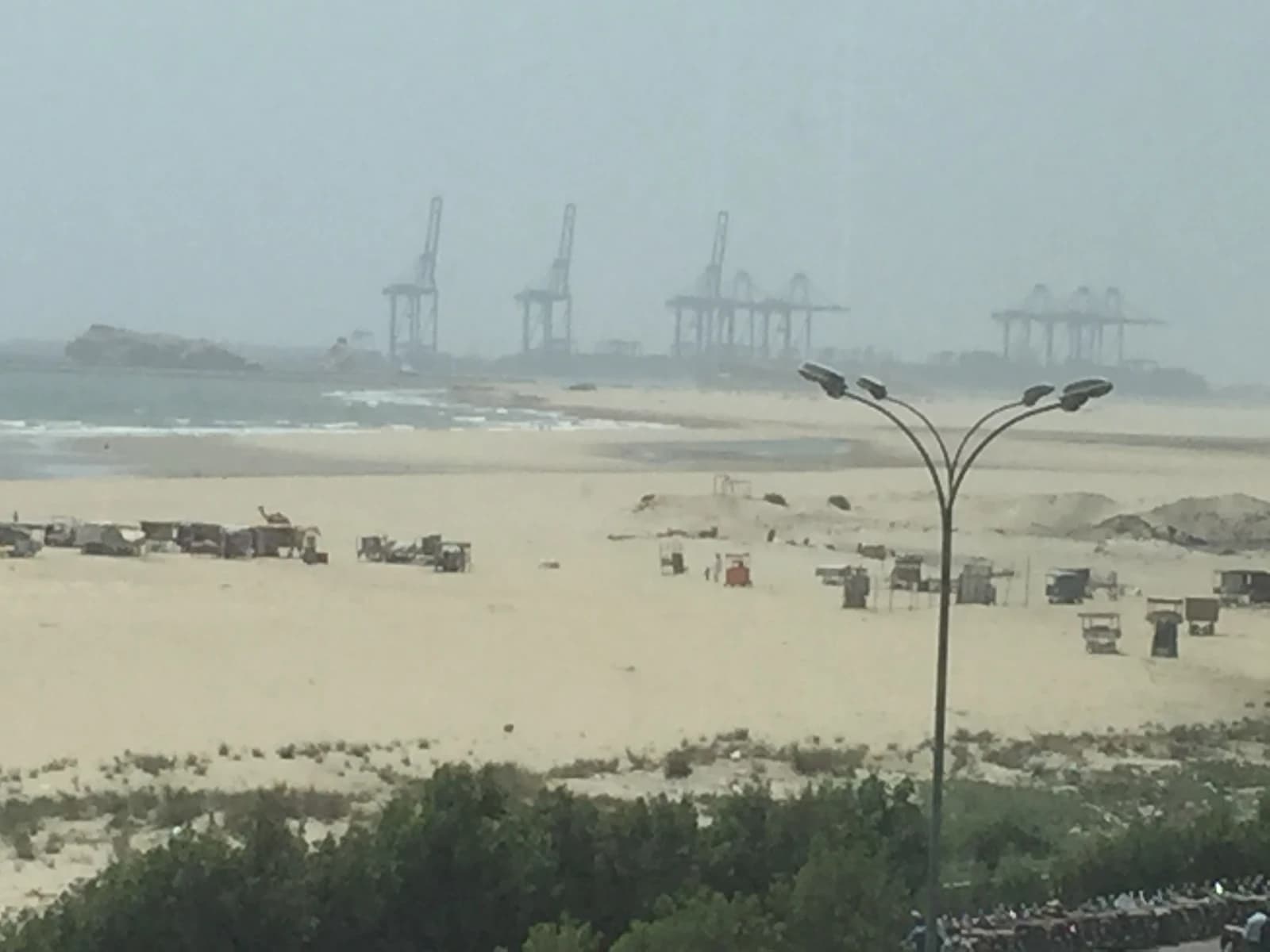
Pakistan has received a second liquefied natural gas cargo from Qatar for October, underscoring how the South Asian importer is leaning on a relatively cheaper contracted supply to ease pressure from far more expensive spot purchases.
Pakistan receives second Qatar LNG cargo for October
The cargo matters because LNG remains one of Pakistan’s most sensitive import bills: energy shortages hit industry, power generation and the current account, while expensive spot cargoes can quickly widen the strain on foreign exchange reserves. Under Pakistan’s deal with Qatar, the gas price is about $14 to $15 per million British thermal units, roughly half the level of spot LNG, which the source said is trading at as much as $30 per mmBtu.
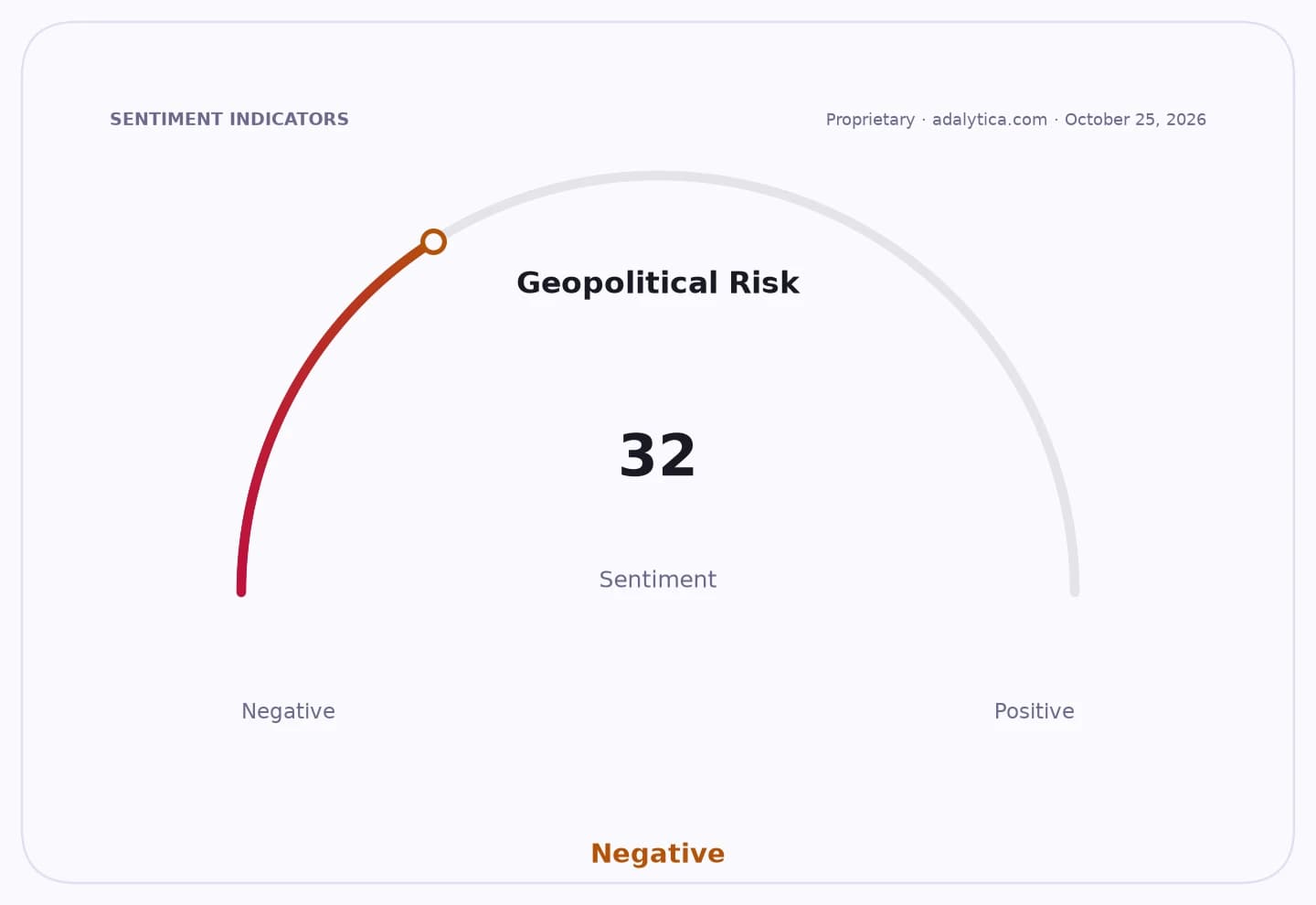
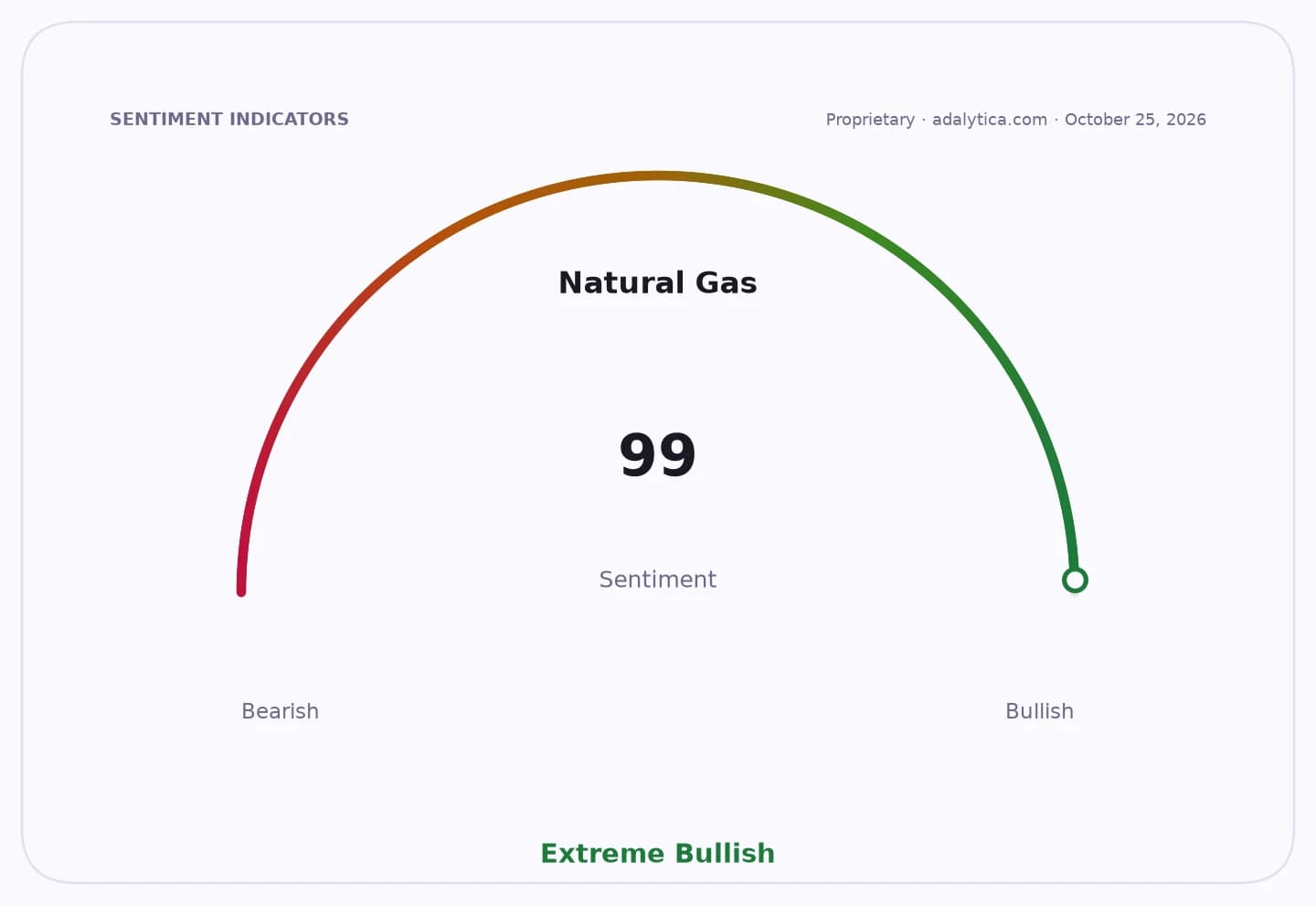
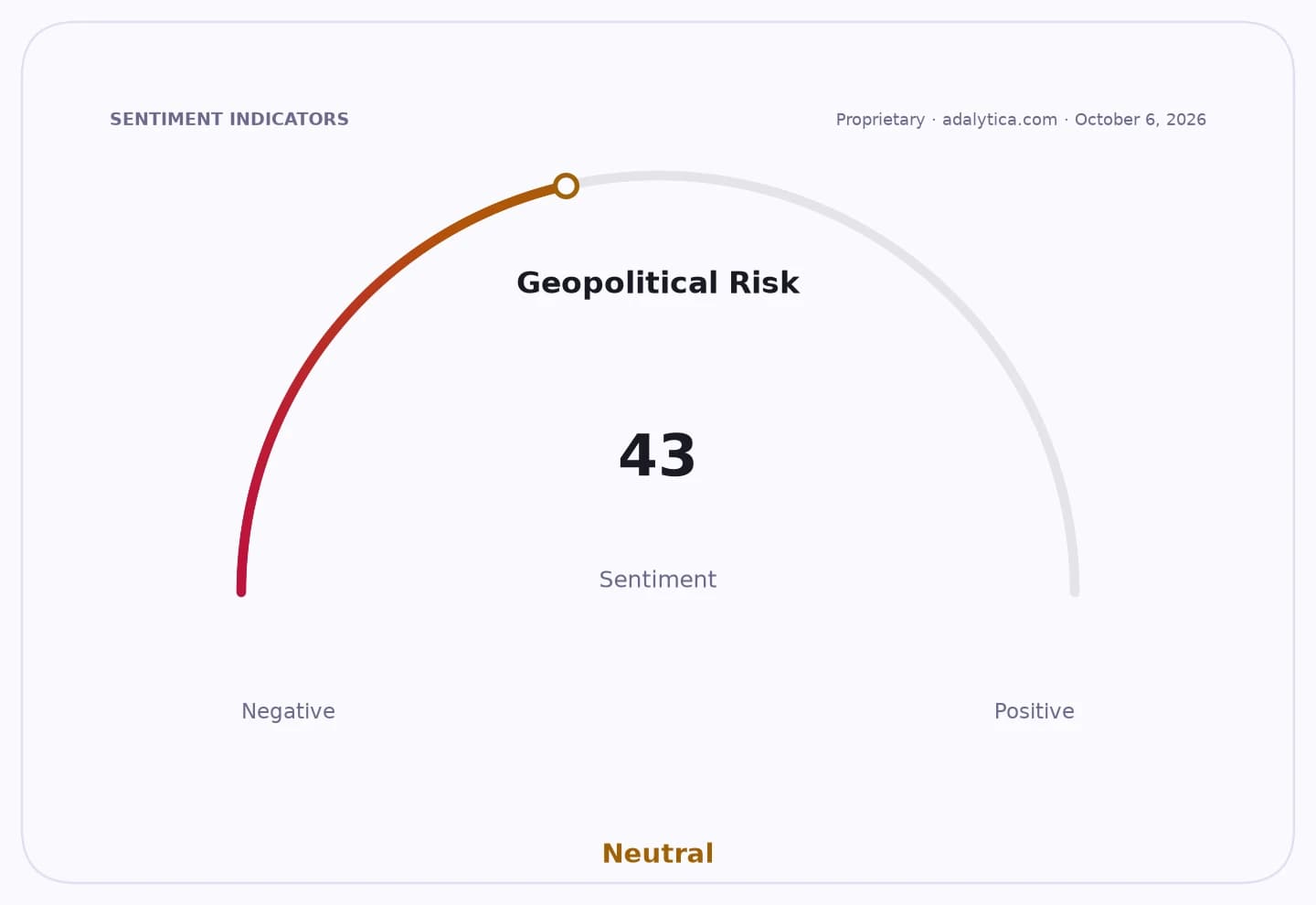
Sentiment IndicatorsⓘProprietary · adalytica.com · October 27, 2026
This is a snapshot — live sentiment, awareness and momentum for 130+ markets update continuously in the dashboard.Open AlphaPulse
That price gap is the core of the story. For a country that regularly balances fuel needs against dollar scarcity, every cargo on term contracts is effectively a hedge against global gas volatility. It also explains why Pakistan has little choice but to keep Qatar as a key supplier even as it seeks to manage demand and ration higher-cost imports. The economics are even more important in a market where energy prices are still volatile, as reflected in broader commodity gauges and in rising rates and risk premia across global markets.
For investors and creditors, the implication is twofold. On the one hand, cheaper Qatari LNG can help stabilize Pakistan’s power sector fuel mix, support industrial output and reduce the risk of emergency spot buying. On the other, the need to keep importing LNG at all — even at discounted contract prices — shows the country remains exposed to external financing pressure and energy insecurity, both of which can weigh on sovereign risk and domestic growth.
The broader narrative is that Pakistan is using long-term Gulf supply ties to offset a structurally fragile energy balance. If spot LNG stays elevated, the advantage of contracted Qatari volumes becomes more valuable; if demand weakens or global gas prices fall, the pressure on Pakistan to renegotiate its import mix should ease. For now, though, the cargo from Qatar is less a routine delivery than a reminder that energy affordability remains a macroeconomic constraint.
| Entity | Gains | Losses |
|---|---|---|
| Pakistan | ▲Lower fuel import costs | ▼Ongoing FX pressure |
| QatarEnergy | ▲Stable contracted sales | ▼Less upside than spot sellers |
| Spot LNG sellers | ▲Higher-price opportunities | ▼Demand from price-sensitive buyers |
| Pakistani power sector | ▲Cheaper generation fuel | ▼Exposure to supply shortages |