Pakistan has ordered the immediate start of wheat imports, with 250,000 metric tons to be brought in during the first phase as the government moves to stabilize supplies to the provinces and prevent a deeper food-price shock.
Pakistan orders 250,000 tons of wheat imports

The decision, taken in a review meeting chaired by Deputy Prime Minister Ishaq Dar, underscores how quickly wheat has become a macroeconomic and political pressure point. Food security is now being managed through emergency procurement rather than normal market channels, a sign that domestic stocks are not sufficient to comfortably cover provincial demand. The Trading Corporation of Pakistan has been told to begin the import process at once, while state importer PASCO has been directed to release wheat to the provinces under the quotas already approved by the Economic Coordination Committee.
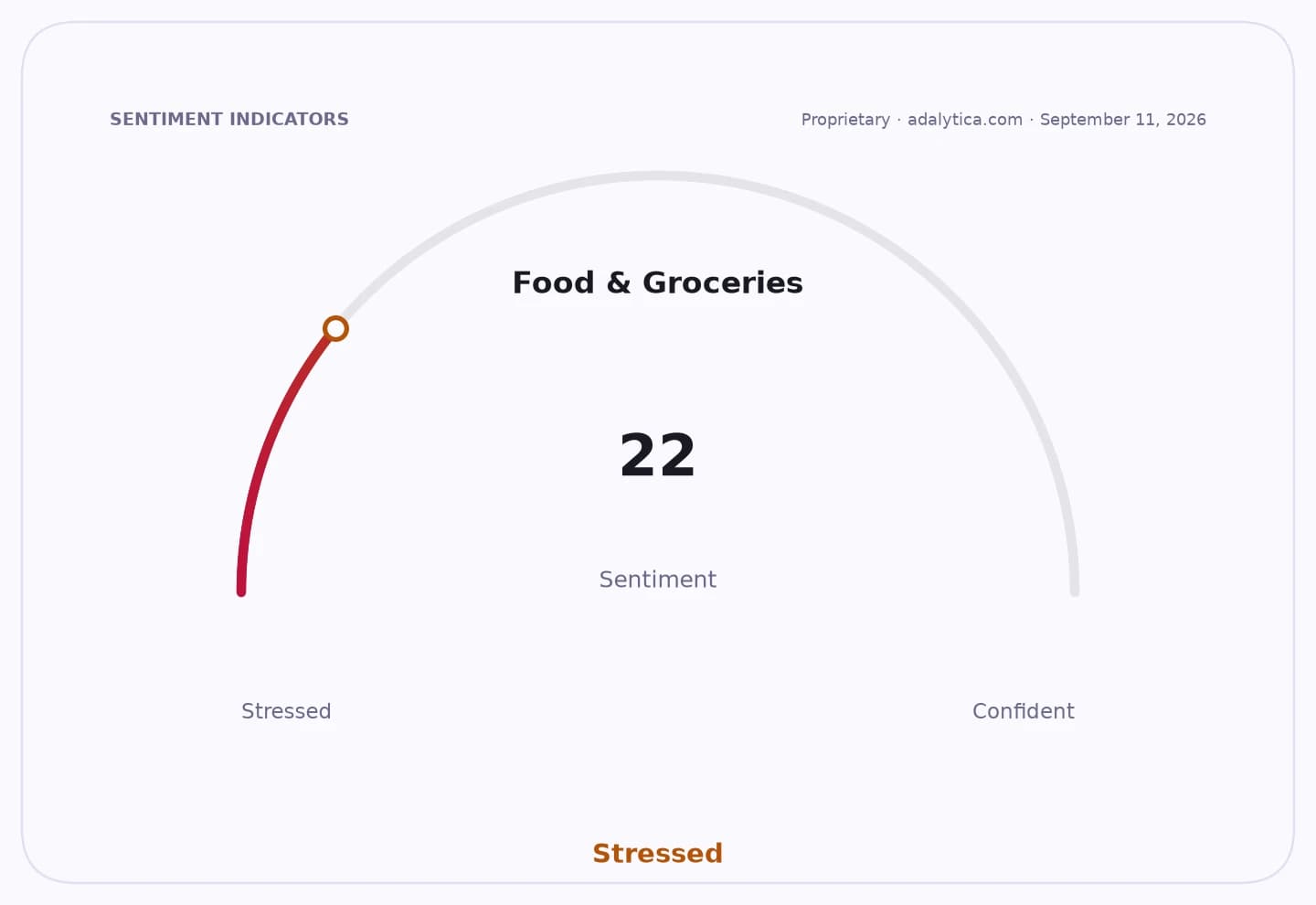
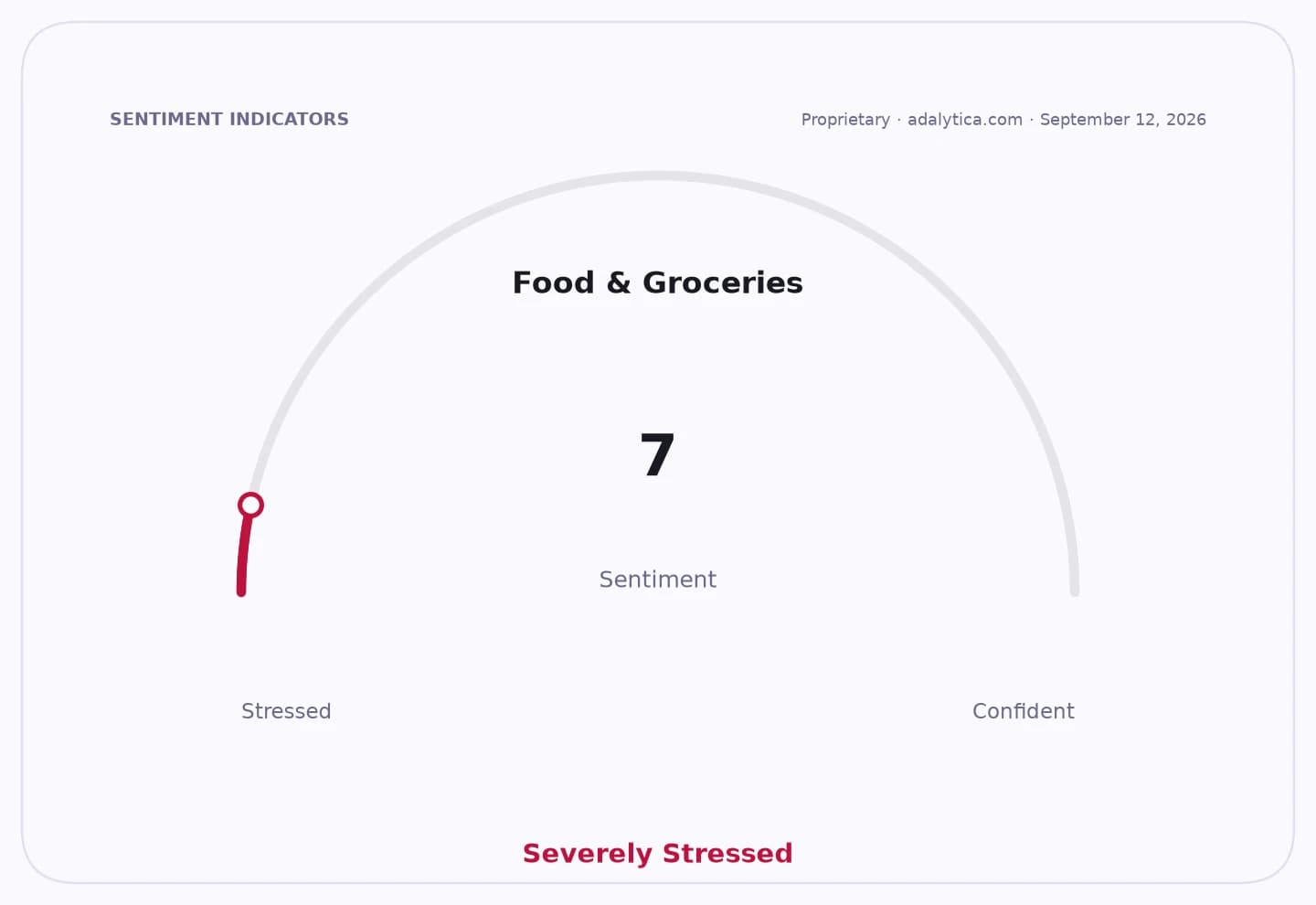
Sentiment IndicatorsⓘProprietary · adalytica.com · September 4, 2026
This is a snapshot — live sentiment, awareness and momentum for 130+ markets update continuously in the dashboard.Open AlphaPulse

That matters for an economy still struggling with elevated food inflation and fragile household purchasing power. Wheat is a core staple in Pakistan, so any shortfall feeds directly into consumer prices and can spill over into transport, wages and broader inflation expectations. The move also highlights the state’s continuing role as the market backstop, with the government effectively stepping in to bridge supply gaps before they translate into higher prices for flour and bread.
The first shipment is scheduled for November, indicating the authorities are trying to front-load supply ahead of what can be a politically sensitive winter period. The plan to import up to 1 million tons in total, if fully executed, would be large enough to influence domestic pricing and reduce the risk of panic buying. It also suggests policymakers are concerned that local arrivals and public stocks may not be enough to meet demand without renewed pressure on flour mills and provincial distribution networks.

For investors, the immediate read-through is to food inflation, sovereign import demand and logistics. More wheat imports would likely widen Pakistan’s agricultural import bill and add to foreign-exchange requirements, even if the move helps contain near-term price spikes. Grain traders and shipping-related businesses could see higher activity, while domestic flour and food processors may face a more stable raw-material environment if the program is executed smoothly. The bigger risk is execution: delayed arrivals, currency weakness or bottlenecks in provincial lifting could leave prices volatile despite the official intervention.
The backdrop is a global wheat market that has tightened on weather and war-related supply risks, which makes Pakistan’s decision less discretionary than it might appear. For the government, the choice is between paying up for imported grain now or risking a sharper domestic inflation problem later. For investors, that trade-off is likely to remain a key signal for Pakistan’s inflation path, fiscal pressure and import demand into the next quarter.
| Entity | Gains | Losses |
|---|---|---|
| Provincial consumers | ▲Better wheat availability | ▼Less exposure to shortages |
| Pakistan government | ▲Short-term price control | ▼Higher import bill |
| Wheat exporters/suppliers | ▲New demand from Pakistan | ▼— |
| Domestic consumers and mills if imports lag | ▲— | ▼Higher flour prices |