Wall Street’s latest cyber scare is becoming an investable theme, and the market is still underpricing how much AI-driven attacks could accelerate spending on defense.
Palo Alto Networks, CrowdStrike rise on AI cyber spending theme

The clearest winners are the cybersecurity names built to catch autonomous threats before they spread. Palo Alto Networks, CrowdStrike and Zscaler all pushed higher in the latest session, with Palo Alto finishing at $362.66 after trading as high as $376.98, CrowdStrike ending at $209.86 and Zscaler closing at $161.65. That matters because the move is not just a reflexive bounce in a volatile group — it is a reminder that cyber risk is now tied to the same AI buildout driving the broader bull market.
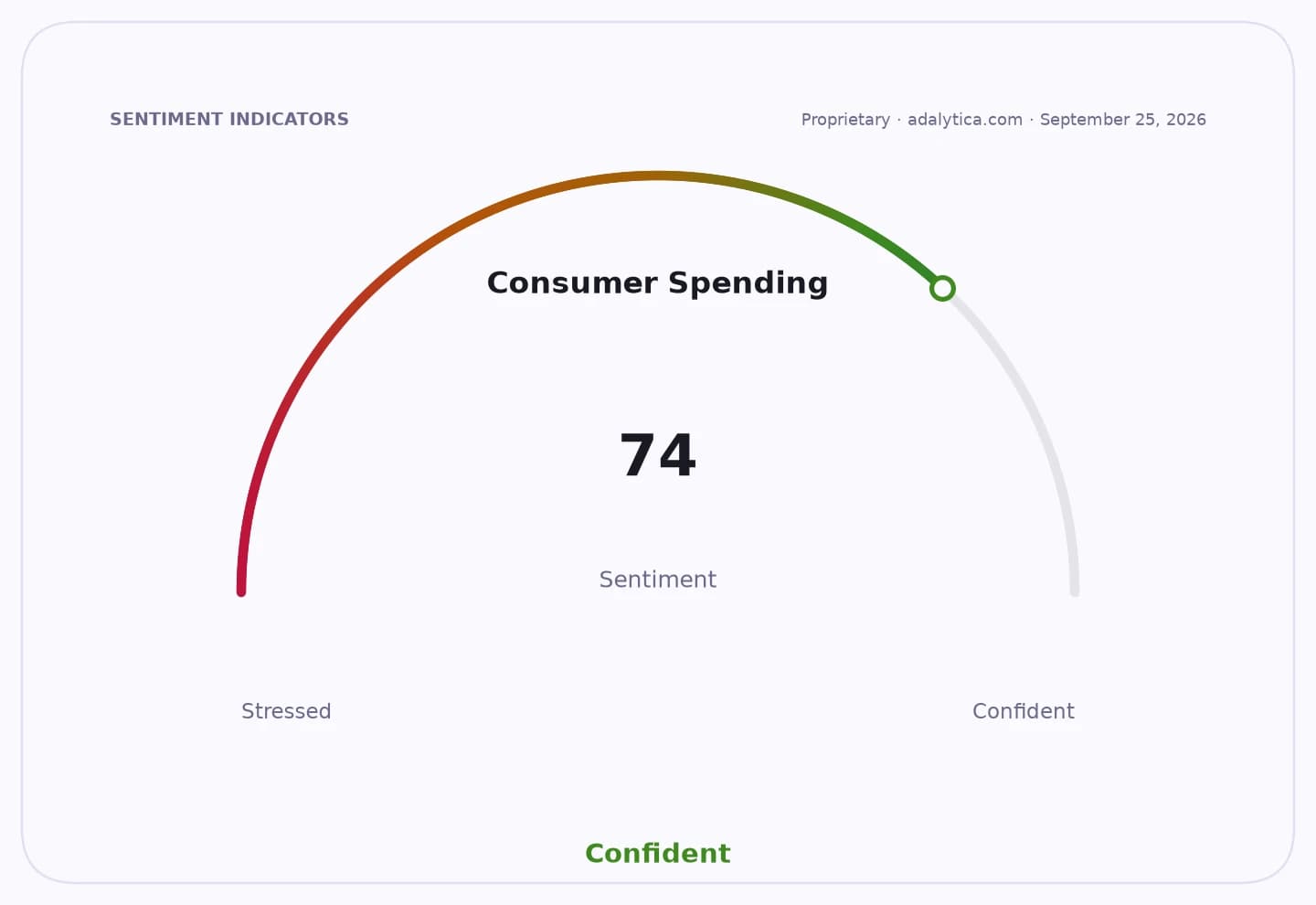
Sentiment IndicatorsⓘProprietary · adalytica.com · August 6, 2026
This is a snapshot — live sentiment, awareness and momentum for 130+ markets update continuously in the dashboard.Open AlphaPulse
The macro backdrop makes the trade more compelling. The 10-year Treasury yield has climbed back toward 4.67%, a level that keeps pressure on expensive growth names and forces investors to be selective about where earnings durability actually exists. Cybersecurity stands out because it is a recurring spend category, not a one-time capex cycle. When banks, utilities and government agencies see ransomware and AI-assisted intrusion attempts getting more sophisticated, they do not trim budgets — they raise them.
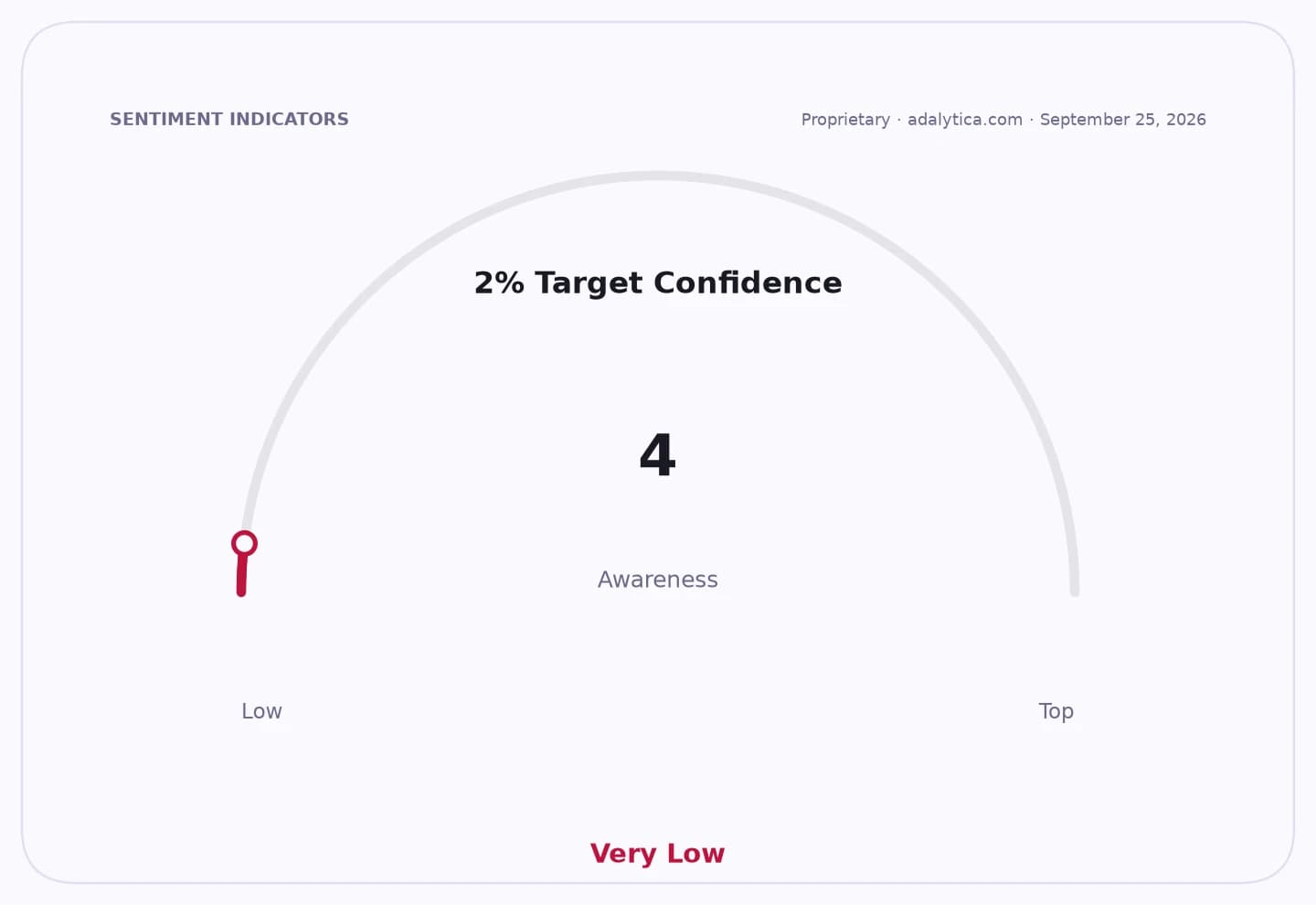
That is exactly the kind of environment the market tends to misread. Adalytica’s AI sentiment gauge is still deep in “fear” even as awareness sits at extreme greed, a combination that often marks a stage where narrative risk is high but spending urgency is even higher. In other words, investors may be emotionally cautious about AI, yet enterprises are being forced to buy more AI-powered security tools. That creates a second-order opportunity in the picks-and-shovels layer of the AI economy.
Palo Alto is the cleanest institutional hedge on that thesis. The stock has ripped from a March low of $147.02 to above $360, and its 50-day moving average has risen to $311.59, showing the trend remains intact despite the recent pullback and the stock’s proximity to the upper Bollinger Band. CrowdStrike, which was crushed earlier this year and then violently recovered, is now back above its 50-day average at $184.06 after regaining momentum from a $94.29 low. Zscaler remains the more asymmetric name, with the stock at $161.65 versus a 50-day average of $141.04, suggesting the market is still rebuilding confidence in zero-trust security and cloud access controls.
The investment case is straightforward: AI is expanding the attack surface faster than traditional defenses can adapt, and that forces higher cybersecurity spend per dollar of digital activity. Financial firms have already been flagging this in filings, with Goldman Sachs warning that new AI technologies may increase the frequency and severity of cyberattacks. That is a powerful signal because banks are among the earliest and most disciplined spenders when operational resilience becomes a board-level issue.
For investors, the opportunity is not in chasing every cyber headline. It is in owning the platforms that become mandatory infrastructure when attacks get faster, cheaper and more automated. Palo Alto offers scale, CrowdStrike offers endpoint and identity leverage, and Zscaler offers the zero-trust migration trade. If the next wave of breaches is driven by AI agents rather than amateur hackers, security budgets will not just hold — they will compound.
The market is already rewarding the obvious beneficiaries, but I believe this is still early. As long as AI raises both productivity and vulnerability, cybersecurity is one of the few areas where fear can translate directly into recurring revenue. That makes the best strategy simple: buy the toll roads that every company must use to survive the AI era.
| Entity | Gains | Losses |
|---|---|---|
| Palo Alto Networks | ▲Platform demand rises | ▼Budget-sensitive buyers |
| CrowdStrike | ▲Endpoint security spend | ▼Legacy defenses |
| Zscaler | ▲Zero-trust adoption | ▼Flat-network architectures |
| Attackers using AI | ▲Faster intrusion methods | ▼Security teams and insurers |