Panama should use higher Canal income to reduce debt rather than expand spending, the IMF said after a mission that underscored how the country’s near-term growth outlook now depends as much on fiscal discipline and water security as on trade flows.
Panama IMF Says Canal Income Should Cut Debt
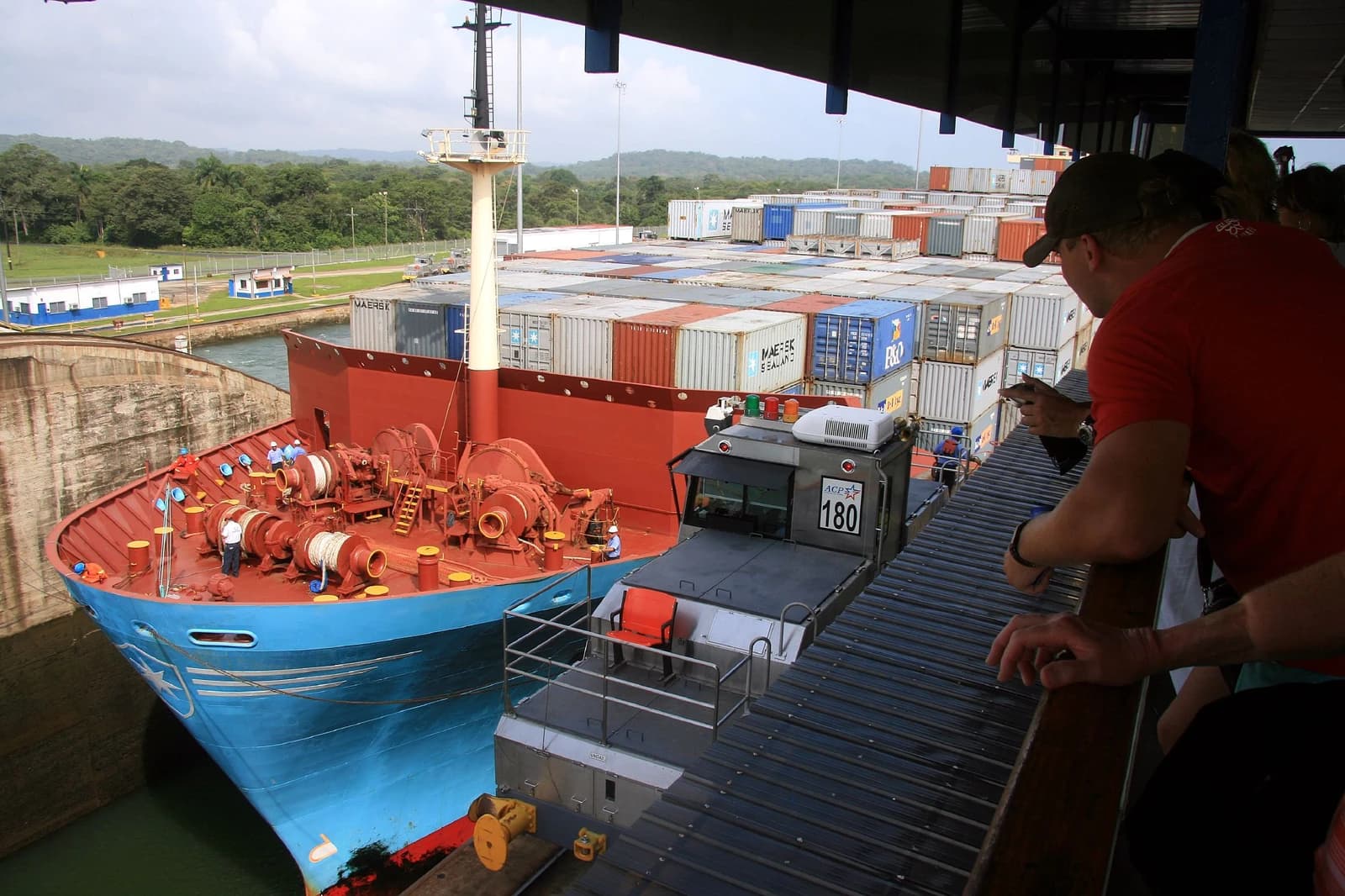
The warning matters because Panama is still carrying elevated public-finance risks even as the economy is expected to expand 5% in 2026 on the back of the Canal, tourism, air connectivity, logistics and financial services. The fund said the non-financial public sector deficit narrowed to 3.7% of gross domestic product in 2025 and that Panama is on track to meet a 3.5% ceiling in 2026, but stressed that stronger revenues and tighter spending controls are needed to keep the adjustment credible.
Sentiment IndicatorsⓘProprietary · adalytica.com · October 9, 2026
This is a snapshot — live sentiment, awareness and momentum for 130+ markets update continuously in the dashboard.Open AlphaPulse
That message lands at a sensitive moment for investors weighing Panama’s sovereign profile. The country benefits from a dollarized economy, a relatively solid banking system and strategic exposure to global trade, but those strengths are being offset by persistent structural weaknesses: low tax pressure, a large informal labour market, weak education outcomes and a need to improve productivity and the business climate. In bond markets, the IMF’s emphasis on debt reduction rather than higher current spending reinforces the case for fiscal prudence as the cleaner path to stabilizing financing needs.
The Canal is central to that equation. The IMF said any extraordinary revenue from stronger Canal activity should be channelled toward debt reduction, not budget expansion, effectively turning a cyclical windfall into a balance-sheet repair opportunity. That matters economically because Panama’s fiscal space is still constrained by the need to support social security, improve tax administration and maintain spending on infrastructure without undermining confidence in the sovereign.
The fund also flagged water security as a macro risk, saying fresh droughts linked to El Niño could again affect Canal operations and therefore national output. It backed infrastructure investment, including the Río Indio project, as a way to secure water for both domestic consumption and the interoceanic route. In other words, the Canal’s long-run earning power now depends on capex that is less visible to investors than toll revenues but potentially more important to growth.
For markets, the most immediate implication is that Panama’s credit story will hinge on execution. Better fiscal collection, restrained expenditure and credible management of contingent risks around social security, banks, construction, real estate and consumer credit would support sovereign spreads and help preserve investment-grade confidence. By contrast, delays on the Donoso copper mine and uncertainty over port concessions could weigh on sentiment just as the country needs private capital for logistics and energy expansion.
The IMF’s broader thesis is that Panama can outperform even its own 2026 growth forecast if it turns Canal gains into fiscal repair and pairs infrastructure spending with stronger institutions. For investors, the question is whether policymakers treat the current upswing as a chance to strengthen the balance sheet or as permission to spend more.
| Entity | Gains | Losses |
|---|---|---|
| Panama sovereign | ▲Lower debt burden | ▼Higher financing risk |
| Investors in Panama debt | ▲Fiscal credibility | ▼Policy slippage risk |
| Canal-driven public finances | ▲Debt reduction | ▼Spending expansion |
| Copper, ports and logistics projects | ▲Investment confidence | ▼Uncertainty and delays |