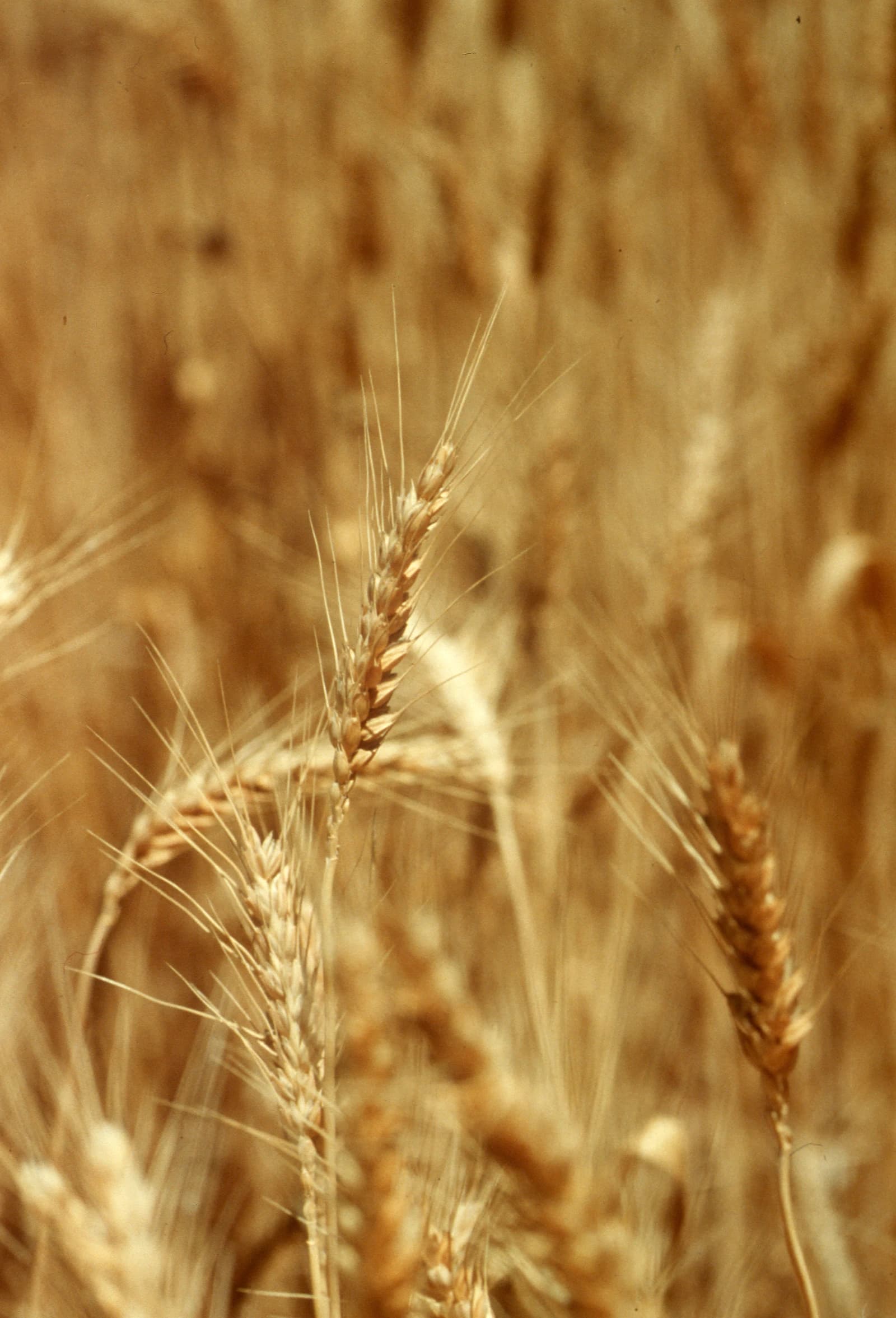
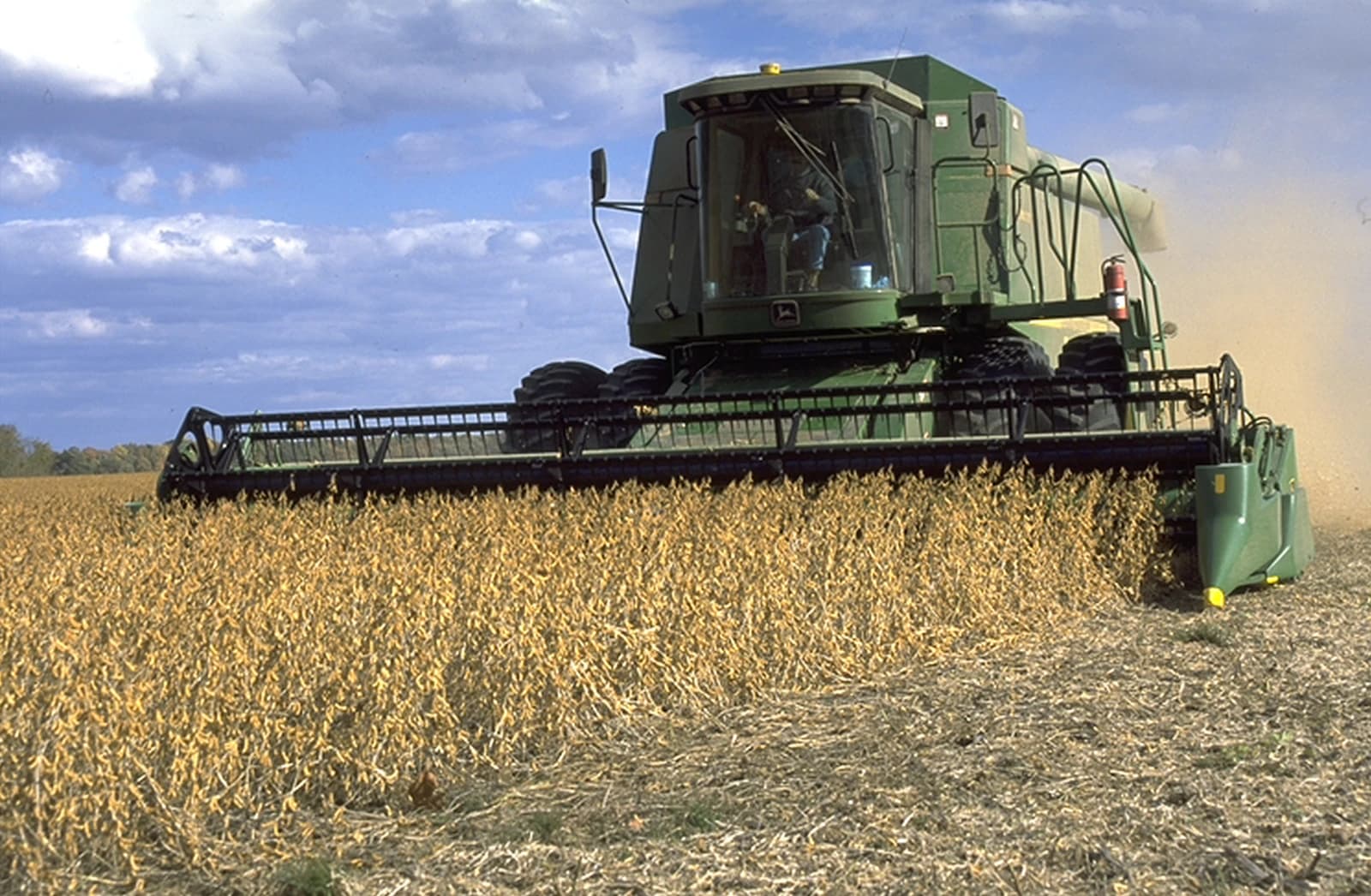
Paraná has almost finished harvesting its wheat crop just as forecasts call for more than 50 millimeters of rain in parts of the Brazilian state, a weather pattern that could shape the final quality and near-term supply outlook for one of the country’s key grain regions.
Paraná wheat harvest nearly complete as rain looms
The crop is largely off the field, so the immediate risk of harvest disruption is limited. But the next round of rain matters for what comes after: late-season field work, the condition of remaining crops such as barley and oats, and expectations for the next planting cycle in a state that plays a major role in Brazil’s wheat balance.
Sentiment IndicatorsⓘProprietary · adalytica.com · October 24, 2026
This is a snapshot — live sentiment, awareness and momentum for 130+ markets update continuously in the dashboard.Open AlphaPulse
The state agriculture department’s Deral said average productivity came in below initial estimates, with frost-damaged areas producing a high share of wheat graded type 2 or 3. Fields affected mainly by drought held up better, with some lots showing a PH above 78, an indication of stronger grain quality. Producers also expect later-sown wheat to perform better than earlier fields hit by weather stress.
Deral said there were no major rain-related problems during the harvest itself, but Climatempo expects instability to build from Wednesday, with scattered showers before heavier rain Thursday and Friday. Western, central, northern and southern Paraná could see totals above 60 millimeters.
For wheat traders, the message is not a harvest shock but a reminder that South American supply remains weather-sensitive even after the combine has moved through. Lower-than-estimated yields in Paraná reinforce concerns that Brazilian milling wheat availability may not be as comfortable as hoped, while stronger-quality late fields could partially offset the damage.
The impact also reaches agribusiness names tied to global grain flows. ADM and other commodity handlers are exposed to swings in origin supply, grading, and basis levels, while Chicago wheat futures remain vulnerable to weather headlines from Brazil, Argentina and the Black Sea. The WEAT ETF, which tracks wheat prices, has already fallen sharply from a recent high of $26.96 to $22.83, with its 50-day moving average at $25.48, reflecting a market that is still fragile and quick to react to fresh supply news.
With harvest nearly complete, the next catalyst is not the remaining crop in Paraná but whether the incoming rain confirms a cleaner post-harvest finish or starts to affect nearby crops and the broader Brazilian wheat outlook into the next season.
| Entity | Gains | Losses |
|---|---|---|
| Paraná wheat farmers with late sowing | ▲Better yields, higher grain quality | ▼Late-season weather risk |
| Brazilian flour mills | ▲Local supply clarity | ▼Tighter high-quality wheat availability |
| Wheat buyers/traders | ▲More information on crop size | ▼Potentially firmer basis and futures |
| ADM / grain handlers | ▲Volume from crop flow | ▼Margin pressure from supply volatility |