The head of the U.S. audit watchdog has made his first trip to China, a sign that Washington and Beijing are still trying to keep a fragile accounting oversight deal alive even as pressure grows on both sides to prove it works.
PCAOB Chairman Visits China on Audit Oversight
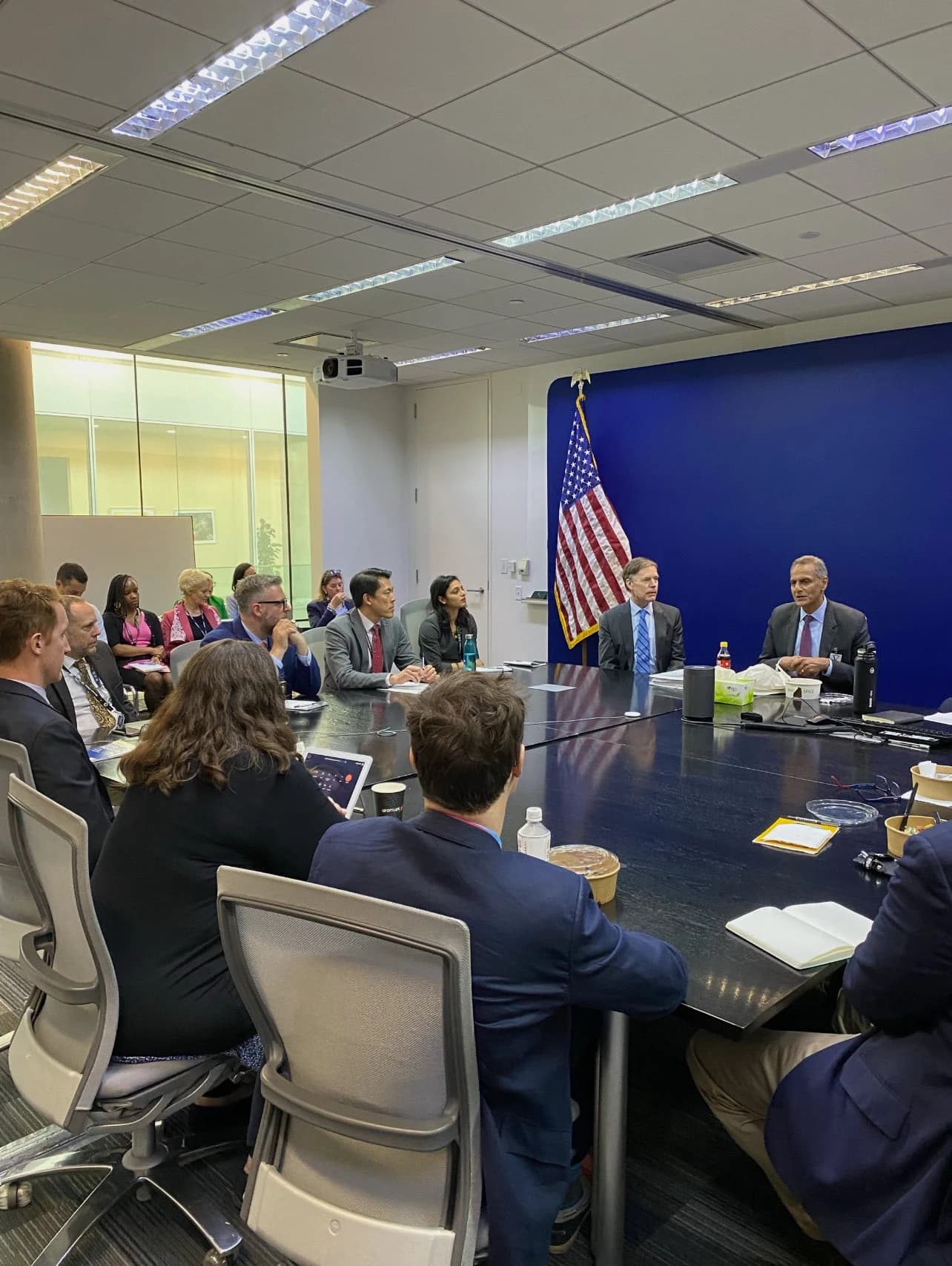
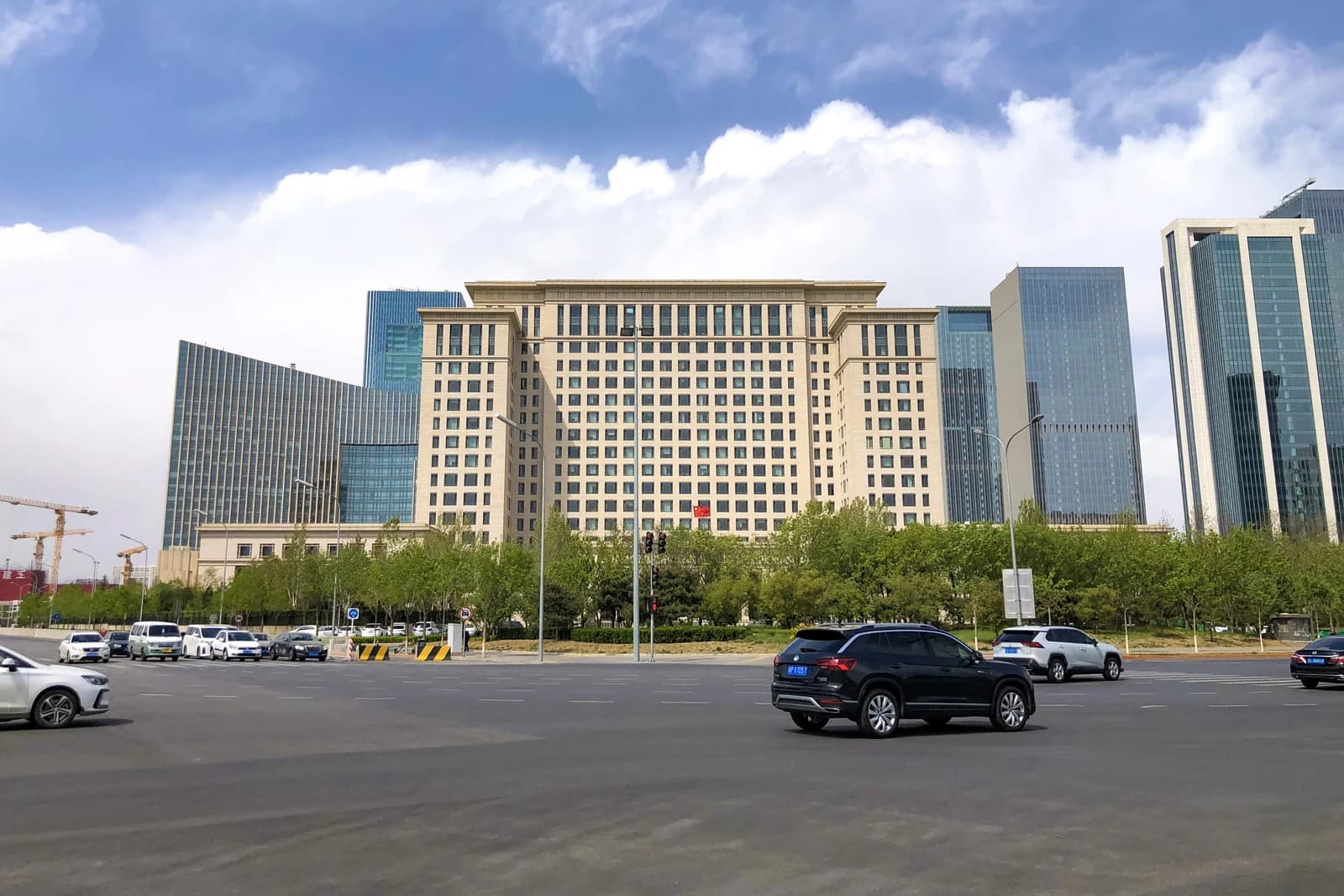
Public Company Accounting Oversight Board Chairman Demetrios Logothetis spent four days in China last week, observing inspections of accounting firms in Shanghai and meeting China Securities Regulatory Commission Chairman Wu Qing and Vice Minister of Finance Guo Tingting in Beijing, according to the board. For investors in Chinese stocks listed in New York, the trip matters because audit access is not a diplomatic footnote — it is the legal foundation that keeps those companies tradable in the U.S. market.
Sentiment Indicators
The PCAOB has spent years fighting for the right to inspect and investigate China-based auditors fully, and the current arrangement has been one of the most important pieces of plumbing in cross-border capital markets. If that access weakens, the consequences can spread quickly from regulators to portfolio managers, index funds and anyone holding China exposure through U.S.-listed shares or exchange-traded funds such as FXI and KWEB.
That makes this visit more than a courtesy call. It comes as Washington renews scrutiny of the bilateral audit oversight agreement and after years in which investors were forced to treat Chinese listings as a geopolitical risk, not just a corporate one. Even when the diplomatic tone improves, the market remembers how fast access issues can become delisting risks, compliance costs and valuation discounts.
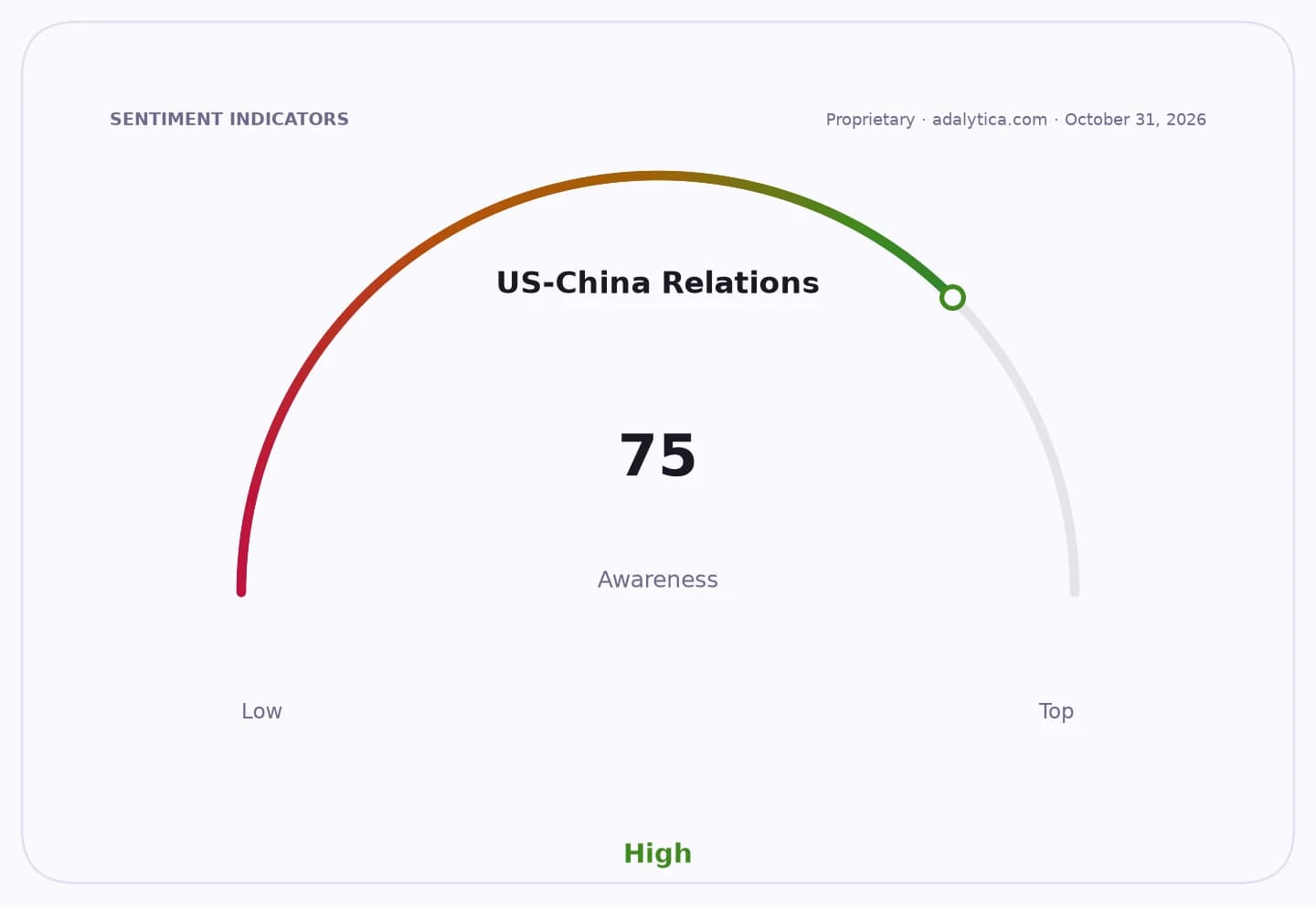
US-China Relations — 30-day sentimentadalytica.com
Explore this data interactively — full history, time series and cross-market comparisons.
Chinese equities have already been volatile enough to show how sensitive the market remains to policy headlines. FXI has fallen to about 32.51 from 40.34 earlier in the year, while KWEB has dropped to 22.60 from 37.66, underscoring how quickly sentiment can swing when investors worry about growth, regulation and U.S.-China tensions. The moves in the broader relationship also show up in sentiment gauges from Adalytica.com, which currently show U.S.-China relations at neutral but with heightened awareness, while China policy direction has turned more positive.
For long-term investors, the bigger takeaway is that audit oversight remains one of the few issues that can still override fundamentals in China equities. A stable inspection regime would help reduce one layer of existential uncertainty for companies, underwriters and global shareholders. But if cooperation stalls, the market could revisit the same old playbook of higher risk premiums, weaker multiples and renewed pressure on U.S.-listed Chinese names.
For now, the visit suggests the two sides are still talking, which is better than the alternative. Investors should treat it as a watchlist issue, not a trading signal: if audit access stays intact, China stocks can trade more on earnings and policy than on headline risk; if it frays, the discount returns fast.
| Entity | Gains | Losses |
|---|---|---|
| PCAOB and U.S. regulators | ▲Better audit access | ▼Less leverage if talks fail |
| Chinese listed companies | ▲Lower delisting risk | ▼More scrutiny and compliance pressure |
| Long-term investors | ▲More certainty on listings | ▼Fewer if audit access weakens |
| Short-term traders | ▲Volatility opportunities | ▼Less payoff if tensions ease |