Retirement systems are being forced to pay more for the same promise, and that shift matters well beyond pensioners. A move to lift the minimum interest rate from 1.25% to 2% from 2027 raises the cost of funding future liabilities, strengthens retirement benefits in an inflationary world and reinforces a higher-for-longer rates backdrop that is already rippling through bonds, insurers and asset managers.
Pension systems raise minimum interest rate to 2%

The economic significance is straightforward: a higher guaranteed rate means pension obligations become more expensive to finance. For sponsors and governments, that can mean larger contributions, tighter budgets and less room to absorb weak growth or sticky inflation. For retirees, it is a needed offset to the erosion of purchasing power after several years of price pressure. CPI in the latest data remains elevated relative to the pre-pandemic era, and even where monthly inflation has cooled, the level of prices is still far above the base that defined older pension formulas.
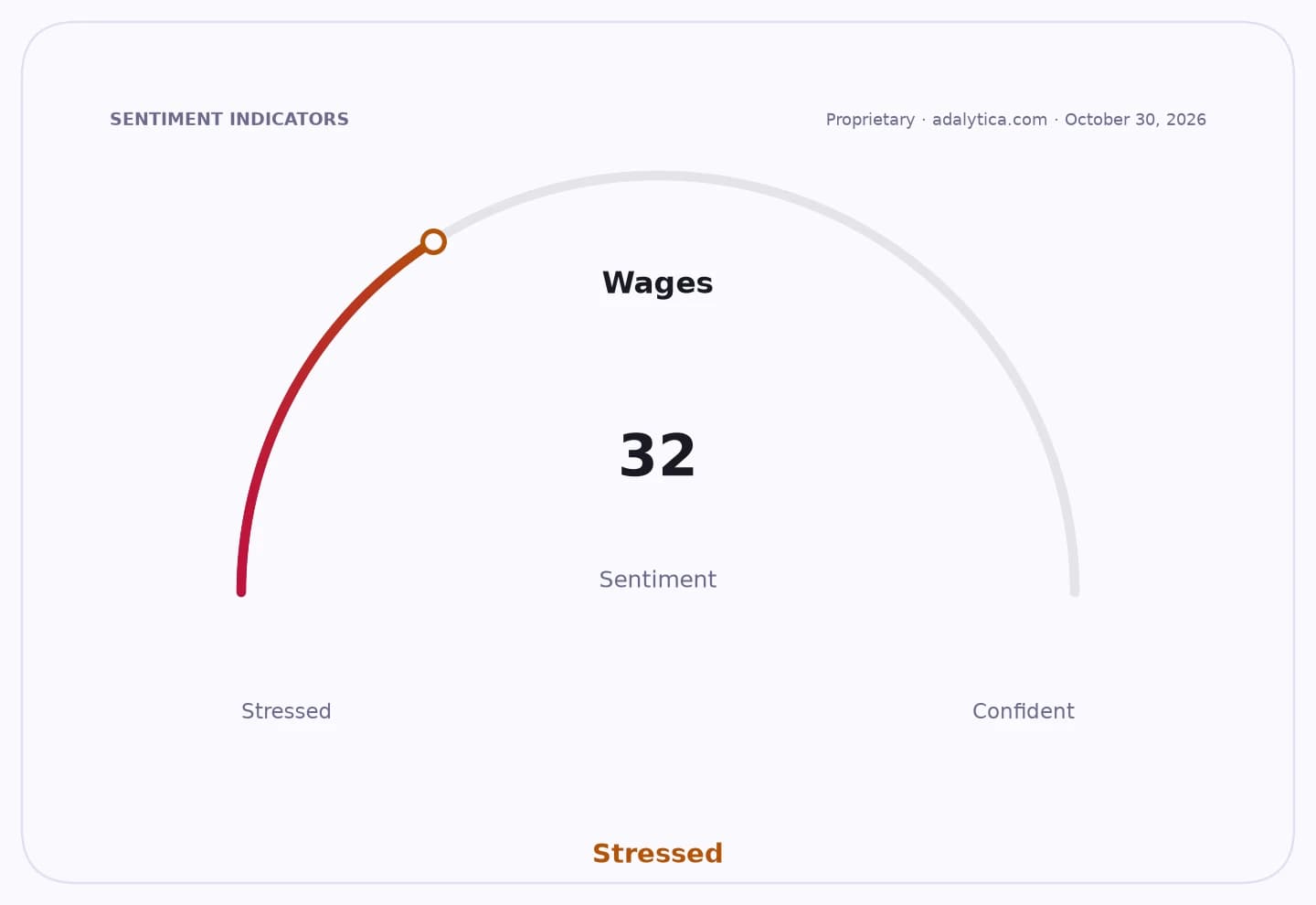
Sentiment Indicators

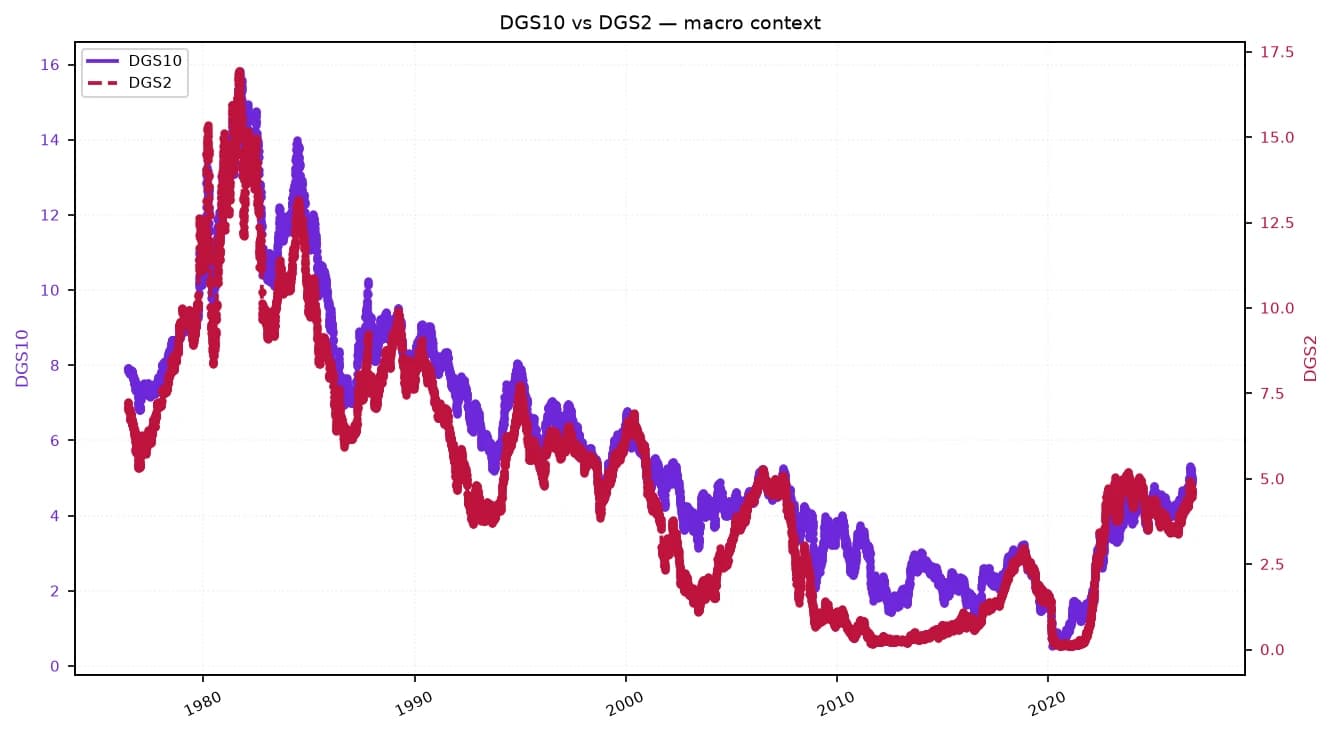
Markets are already trading as if the era of ultra-low rates is over. The 10-year Treasury yield has been hovering around 4.8% to 4.9%, a far cry from the post-crisis and pandemic lows that made pension promises cheap to discount. That matters because higher discount rates change the arithmetic for pension funds, insurers and long-duration investors. Tighter funding assumptions can force portfolio repositioning toward income, shorter duration and more capital-efficient strategies, while also lifting demand for assets that can match liabilities without taking excessive risk.
The move also arrives as broader pension assets continue to grow, with the OECD projecting global pension assets will reach $78 trillion, underscoring how much capital is now tied to retirement finance. That scale makes even modest changes to guaranteed rates meaningful. A jump from 1.25% to 2% may sound incremental, but across a large pension base it can translate into a material reallocation of cash flow from sponsors to beneficiaries and from policymakers to retirees.
CPI
Investors should read this as a second-order beneficiary trade, not just a social-policy story. Higher pension rates can support consumer spending among retirees, but they can also squeeze fiscal flexibility and raise the appeal of liability-driven investing, annuities, insurers and asset managers with retirement platforms. At the same time, higher long-term rates tend to pressure duration-sensitive equities and reward firms with pricing power, cash generation and less dependence on cheap capital.
The market’s message is clear: retirement systems are being reset for a world where money costs more. That is constructive for savers, harder for sponsors, and another reason to favor companies and ETFs positioned for sustained rate volatility, resilient yields and secular demand for retirement capital management.
| Entity | Gains | Losses |
|---|---|---|
| Pensioners | ▲Higher guaranteed payouts | ▼None |
| Pension sponsors/governments | ▲None | ▼Higher funding costs |
| Insurers/asset managers | ▲More retirement assets to manage | ▼More liability pressure on portfolios |
| Long-duration bonds | ▲Potential demand from liability matching | ▼Mark-to-market pressure from higher rates |