Pertamina Drilling’s readiness to move into Indonesia’s unconventional oil and gas segment points to a broader bid by the state energy group to unlock harder-to-produce reserves as domestic energy security becomes more difficult to guarantee with conventional fields.
Pertamina Drilling Eyes Indonesia Unconventional Wells
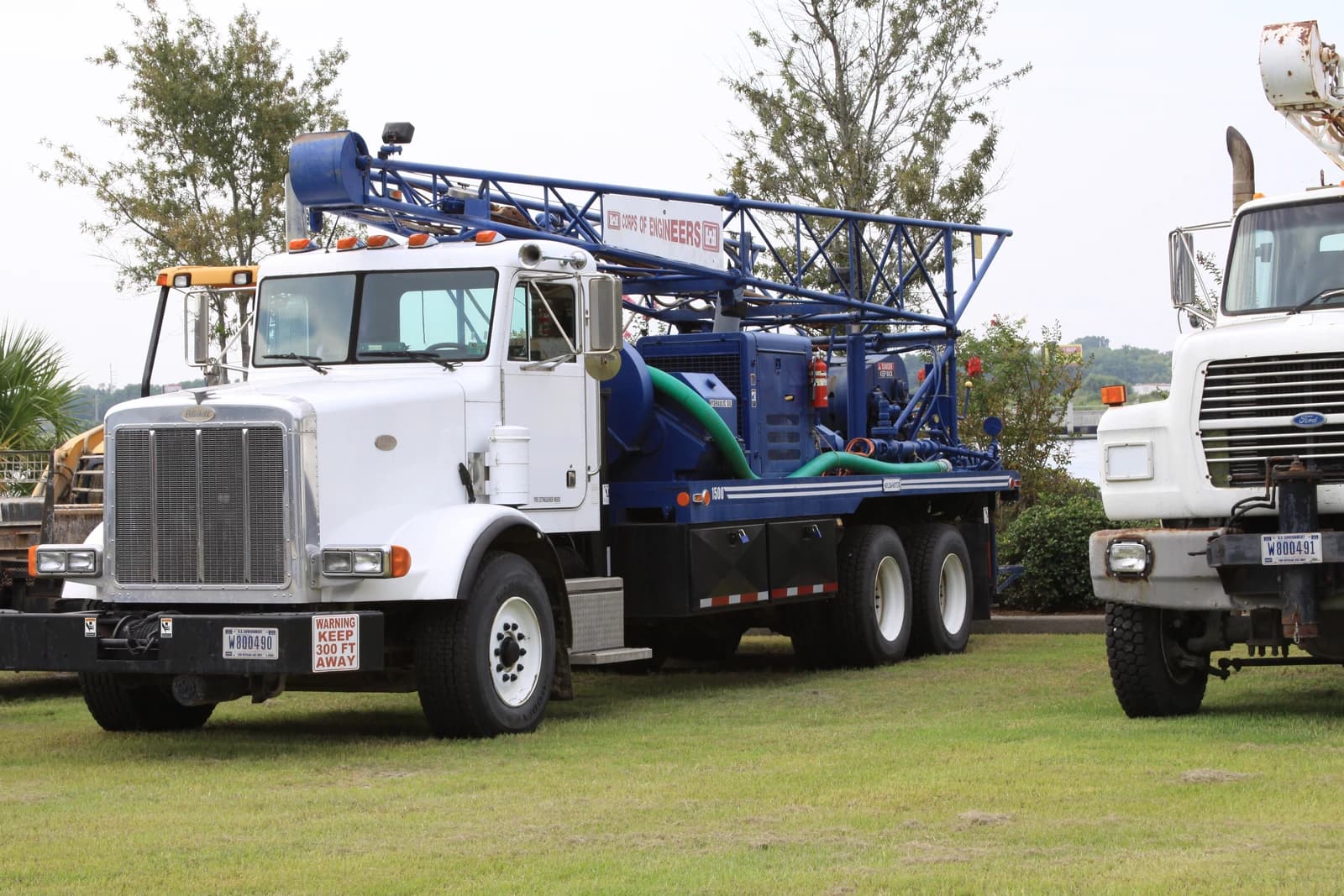
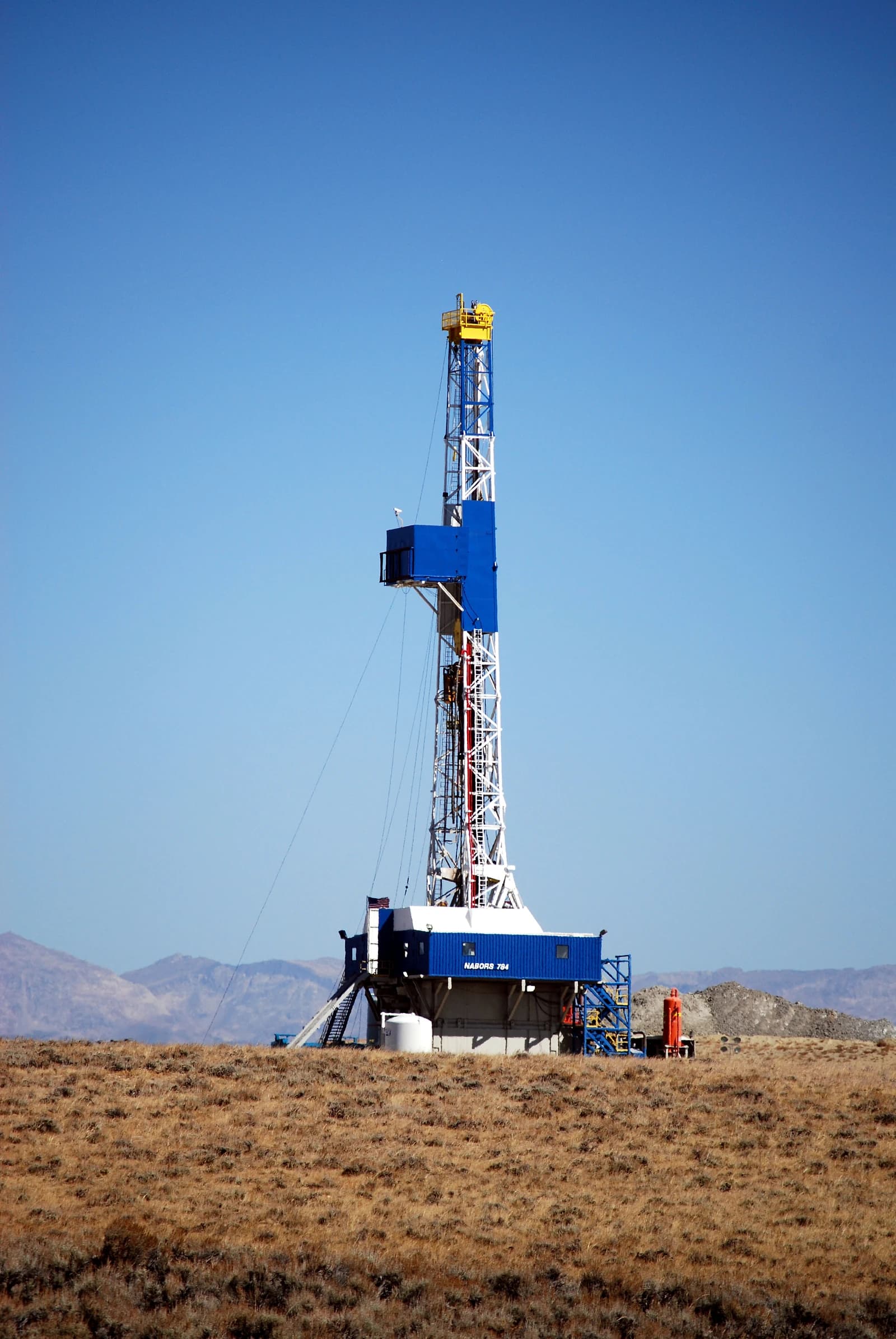
For investors and policymakers, the significance lies less in an immediate revenue contribution than in whether the company can turn specialized drilling capability into a durable competitive edge. Unconventional reservoirs typically have very low porosity and permeability, which means they demand more advanced equipment, tighter operational control and higher technical competence than standard exploration wells. That raises costs and execution risk, but it also creates a higher-value niche for rig contractors that can prove they can handle the geology.
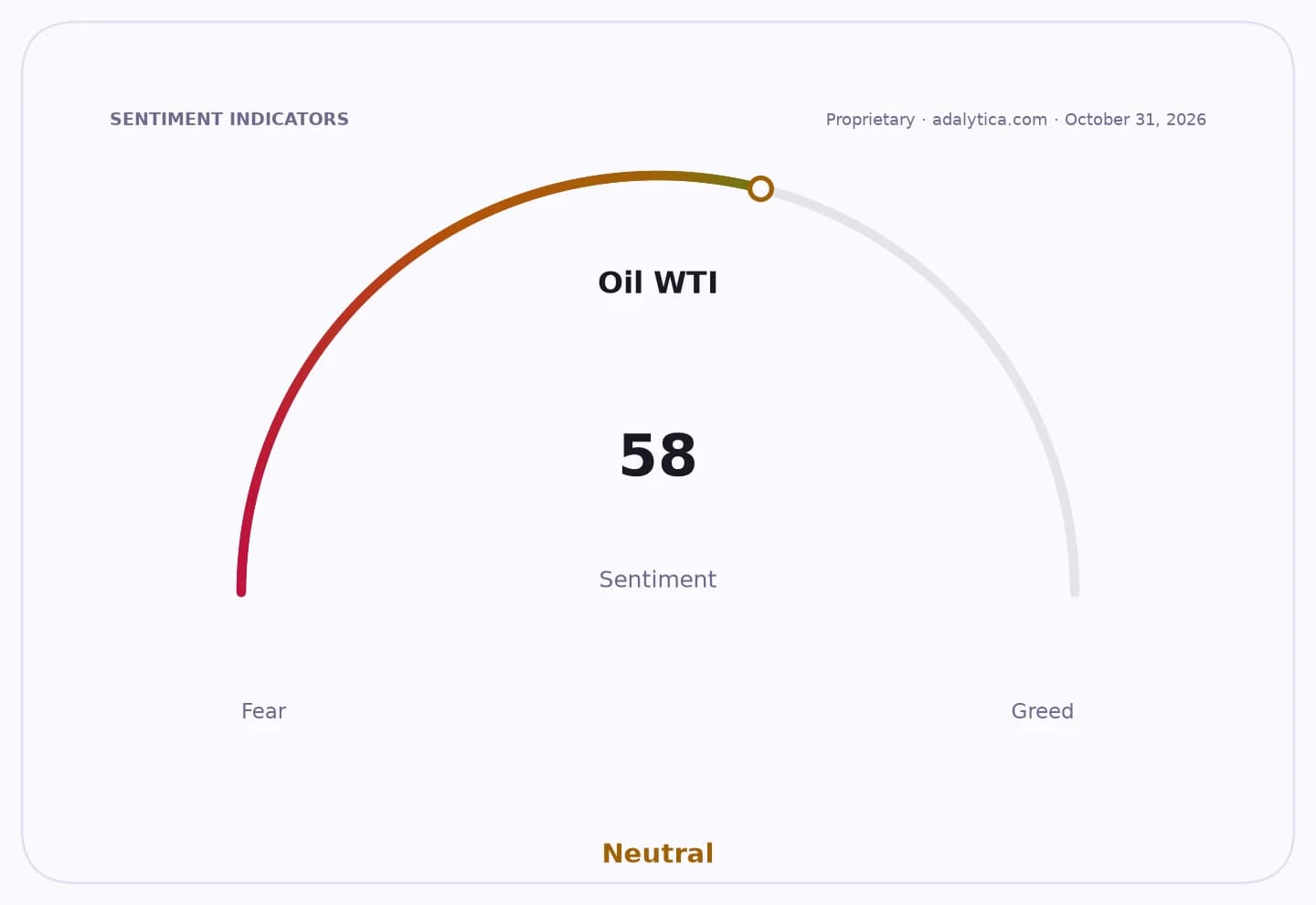
Sentiment Indicators
Oil WTI
Pertamina Drilling said it is leaning on experience from the Gulamo DET-1 well in 2023 and Kelok DET-1 in 2024, both drilled with Pertamina Hulu Rokan. Those projects matter because unconventional work is not just a matter of drilling deeper or faster; it is about precision, reservoir understanding and operational reliability. In practical terms, companies that can deliver on those requirements are better placed to capture work if Indonesia accelerates its unconventional program.
The move also fits a wider energy policy backdrop. Indonesia has been trying to strengthen domestic supply at a time when global oil price signals remain unstable and energy security concerns continue to shape investment decisions. Adalytica’s WTI trade signals currently show “Extreme Fear” in sentiment even as awareness remains elevated, underscoring how volatile the crude backdrop remains for producers and service companies alike. That kind of price uncertainty usually encourages national operators to focus on resources that can improve self-sufficiency over the medium term, even if the initial economics are more challenging.
For Pertamina Drilling, the opportunity is straightforward: unconventional drilling could open a new line of business, deepen ties with Pertamina’s upstream units and support utilization for its rigs and crews. The risk is that the segment may not scale quickly, and the technical demands could pressure margins if projects are delayed, reworked or fail to flow commercial volumes. That makes execution history a key differentiator, especially in a market where oilfield service spending tends to favor companies that can prove efficiency and reliability.
Shares in related names have already reflected the sector’s volatility. PPIH has traded around 29 rupiah recently, roughly in line with its 50-day moving average, while peer INDO has been more volatile, with its latest 2.64 rupiah close below both its 50-day and 200-day averages. The mixed tape suggests the market is still waiting for unconventional drilling to move from strategic promise to repeatable earnings.
If Indonesia’s unconventional push gains traction, Pertamina Drilling could emerge as one of the clearer domestic beneficiaries. If not, the project remains more of a capability test than a near-term profit driver.
| Entity | Gains | Losses |
|---|---|---|
| Pertamina Drilling | ▲New drilling niche | ▼Higher execution risk |
| Pertamina upstream units | ▲Access to harder reserves | ▼Higher project costs |
| Indonesia energy security | ▲More domestic supply options | ▼Delayed commercial output |
| Competing service firms | ▲More sector activity | ▼Fewer contracts if Pertamina dominates |