The Mexican peso is trading with unusual calm ahead of the Federal Reserve’s policy announcement, and that stability matters because it is keeping one of emerging markets’ most crowded carry trades in place for now while delaying the next big move for exporters, importers and Mexico’s central bank.
Peso Calm Ahead of Fed Keeps Carry Trade Alive

That quiet comes against a far less tranquil backdrop. The peso has already had a sharp run this year, with the currency up 12.8% year to date, a gain that has helped consumers but squeezed sectors tied to the export chain, including flowers and coffee. A stronger peso lowers the local-currency value of dollar earnings and can erode margins for Mexican companies selling abroad, while also making imported goods cheaper. For investors, that creates a market where the currency’s relative strength is no longer just a macro curiosity — it is a direct earnings and valuation factor.
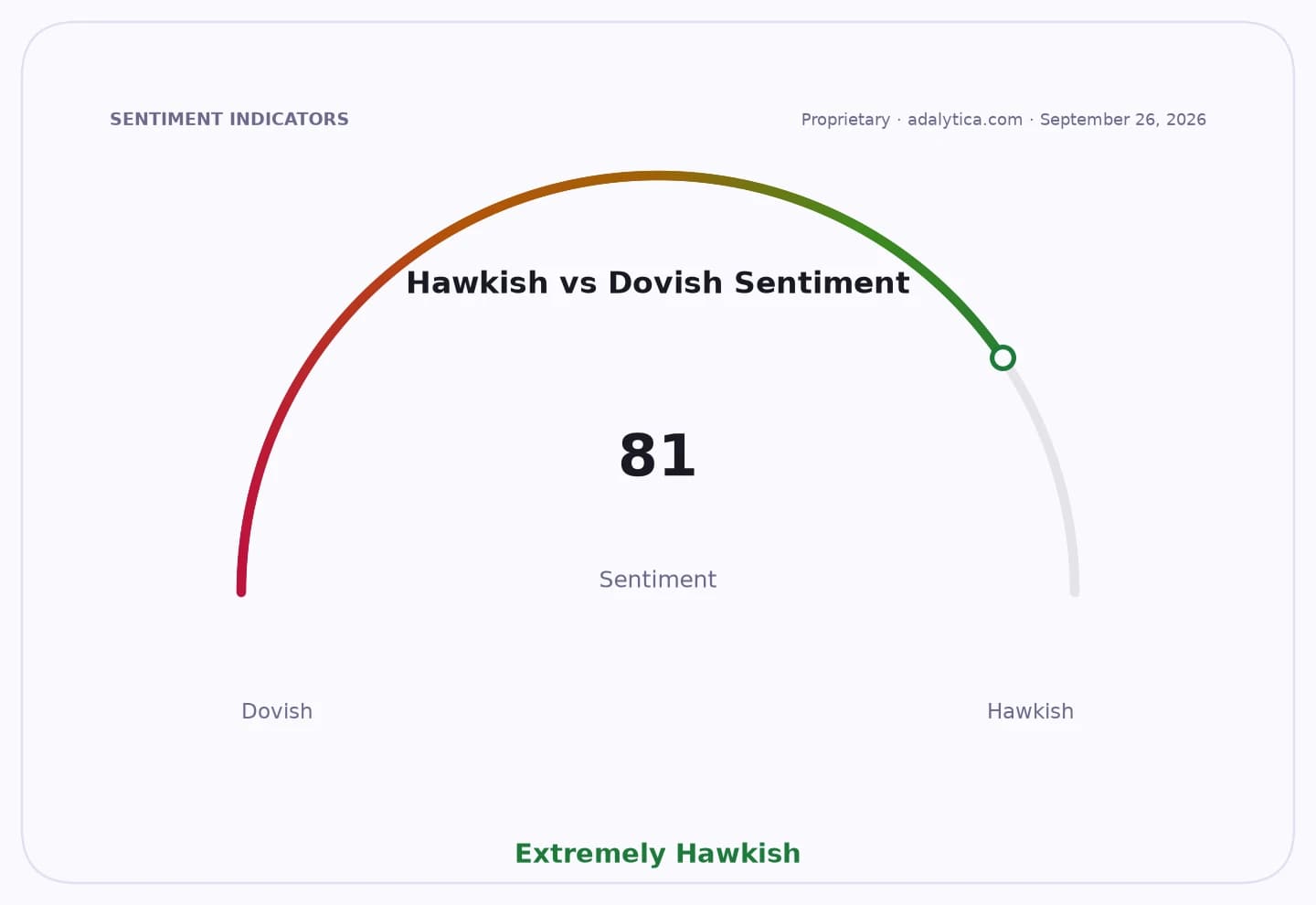
The immediate focus is the Fed, because the dollar remains the anchor for global funding costs. U.S. 10-year Treasury yields are around 4.67%, while the fed funds rate is seen near 3.63% to 3.64%, leaving markets highly sensitive to any change in the rate path. If the Fed sounds even slightly more hawkish than expected, dollar support could return quickly and pressure the peso. If it signals a slower tightening bias or a path toward easier policy, the peso’s carry appeal should stay intact and the Mexican unit could extend its resilience.
That is why the broader dollar trade is worth watching as much as the peso itself. The U.S. Dollar Index ETF, UUP, is still trading above its 50-day and 200-day moving averages, with RSI readings in the low 60s and a positive MACD, showing the dollar is not rolling over decisively. In other words, the peso is holding its ground not because the dollar is weak, but because investors still see Mexico as one of the more attractive high-yield trades in a cautious global market.
The investment implication is straightforward: this is an inflection point for anyone exposed to peso strength or weakness. A steady or softer dollar would continue to favor Mexico-focused assets such as the iShares MSCI Mexico ETF, EWW, which has climbed back toward the upper end of its recent range and is trading above both its 50-day and 200-day moving averages. But a Fed surprise could quickly unwind some of that support and shift flows back toward dollar assets.
The market is also weighing non-Fed risks. Trade uncertainty around T-MEC and global geopolitical tension are still hanging over Mexico’s outlook, and local industry groups have already warned that peso appreciation is hurting profitability in export-oriented businesses. That leaves policymakers with a difficult balance: defend stability without choking off competitiveness.
For investors, the thesis is clear: the peso’s calm before the Fed is not a reason for complacency, but an opportunity to position early. If the dollar softens, Mexico remains one of the cleaner ways to play yield, capital inflows and a still-favored nearshoring story. If the Fed turns more restrictive, the trade can reverse fast. Either way, the next move in the peso is likely to matter far more than the recent lack of movement suggests.
| Entity | Gains | Losses |
|---|---|---|
| Mexican peso | ▲Stable carry appeal | ▼Export margins if it strengthens further |
| Mexican exporters | ▲Cheaper imported inputs | ▼Lower dollar revenues in pesos |
| U.S. dollar | ▲Support if Fed stays hawkish | ▼Funding trade if yields ease |
| Mexico-focused ETFs | ▲Inflows on currency stability | ▼Repricing if peso weakens sharply |