Gas seeping from a deep tube well in Cox’s Bazar’s Ukhia upazila may taper off within two weeks, according to state-run Petrobangla, easing immediate safety concerns but raising fresh questions about the underground gas pocket that surfaced during drilling.
Petrobangla Says Cox's Bazar Gas Leak May End in 15 Days
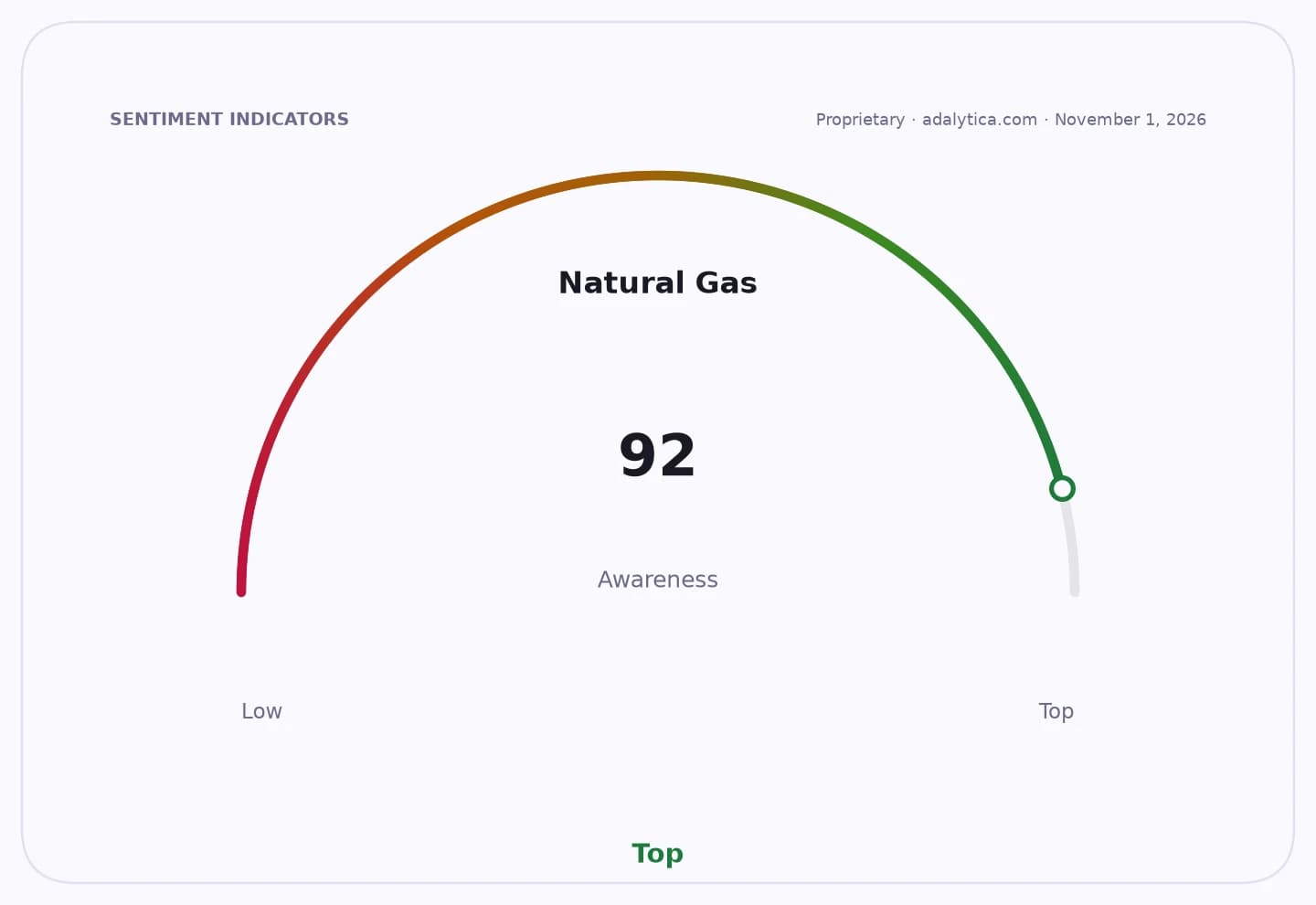
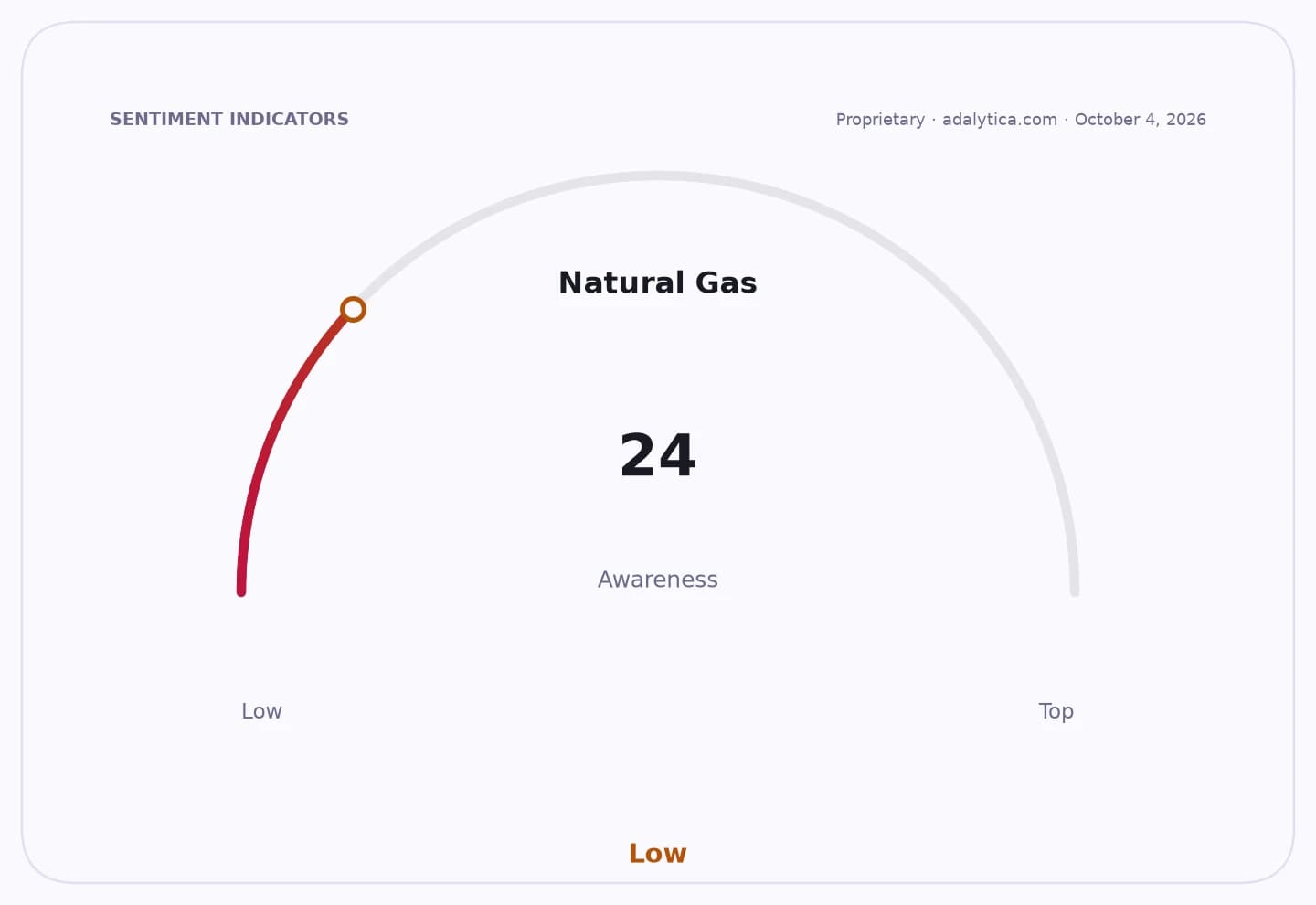
Natural Gas
The development matters less for any direct commercial value than for what it says about local energy risk, emergency management and the scale of the subsurface reservoir that may lie beneath one of Bangladesh’s busiest coastal districts. For investors in the broader energy space, the incident is a reminder that exploration and drilling activity can expose unexpected operational and safety liabilities even outside the country’s main gas fields.
Sentiment Indicators
According to Petrobangla, the leak began on Oct. 27 near Inani Bridge in Jaliapalong union when drilling reached about 1,000 feet. Gas started escaping from below ground and later caught fire. Two geologists from state-owned BAPEX visited the site and are now monitoring conditions from Cox’s Bazar.
Petrobangla said specialists have advised against sealing the wellhead immediately, arguing that allowing the gas to continue escaping should reduce the risk of the fire spreading. The agency said the flow should gradually decline and stop within 15 days. If the fire does not go out as expected, experts will move to extinguish it and shut off the flow by other means.
The immediate economic implication is limited, because the site is not a producing field and there is no confirmed reserve estimate yet. But the incident could influence local drilling activity, inspection standards and future geological surveys in the area. Petrobangla said a 2D seismic survey is under way to determine how much gas may be present in the zone, suggesting authorities are treating the episode as both a safety event and a potential exploration signal.
For Bangladesh, where energy security remains a recurring policy concern, even a localized gas seep can matter. The country relies on imported fuel and aging domestic gas infrastructure, and any evidence of overlooked onshore resources is likely to attract scrutiny from policymakers seeking to reduce import dependence. At the same time, the episode underscores the risks that come with drilling in densely inhabited areas without clearer subsurface mapping.
Authorities have banned public access within 100 meters of the site, and local administration has been tasked with keeping order and ensuring public safety. That containment will be key to limiting disruption in the area, where panic can quickly become a broader logistical issue if a fire or leak persists.
For investors, the near-term read-through is mostly indirect. The event is not a catalyst for listed gas producers, but it is relevant to Bangladesh’s energy narrative: more exploration may be necessary, but so may stronger geological surveying, emergency response capability and drilling controls. If the gas flow does fade as expected, the story may close as a contained safety incident. If not, it could become a larger test of the government’s ability to manage energy-related hazards while pursuing domestic supply gains.
| Entity | Gains | Losses |
|---|---|---|
| Petrobangla/BAPEX | ▲Control of incident | ▼Credibility if fire persists |
| Local residents | ▲Lower explosion risk if managed | ▼Safety and access restrictions |
| Bangladesh energy planners | ▲More geological data | ▼Pressure to improve drilling oversight |
| Potential domestic gas search | ▲Renewed exploration interest | ▼Delays from stricter safety controls |