Vietnam’s push to lock in long-term liquefied natural gas supply is getting a boost from PETRONAS, a move that matters because reliable fuel imports are becoming central to the country’s power security as domestic gas output declines and electricity demand keeps climbing.
PETRONAS backs Vietnam long-term LNG supply
For investors, the significance is straightforward: a more stable LNG supply chain can help Vietnam support industrial growth, reduce the risk of power shortages and make gas-fired generation easier to plan around. It also gives PETRONAS a deeper foothold in one of Southeast Asia’s fastest-growing energy markets, where buyers are increasingly favoring long-term contracts over spot purchases to manage price swings.
PETRONAS said it wants to work with Petrovietnam to strengthen energy security through LNG and described Vietnam as a key growth market for the next several decades. The company’s local representative said Southeast Asia accounts for about 20% of global energy-demand growth through 2035, underscoring why regional producers and consumers are seeking closer coordination on supply.
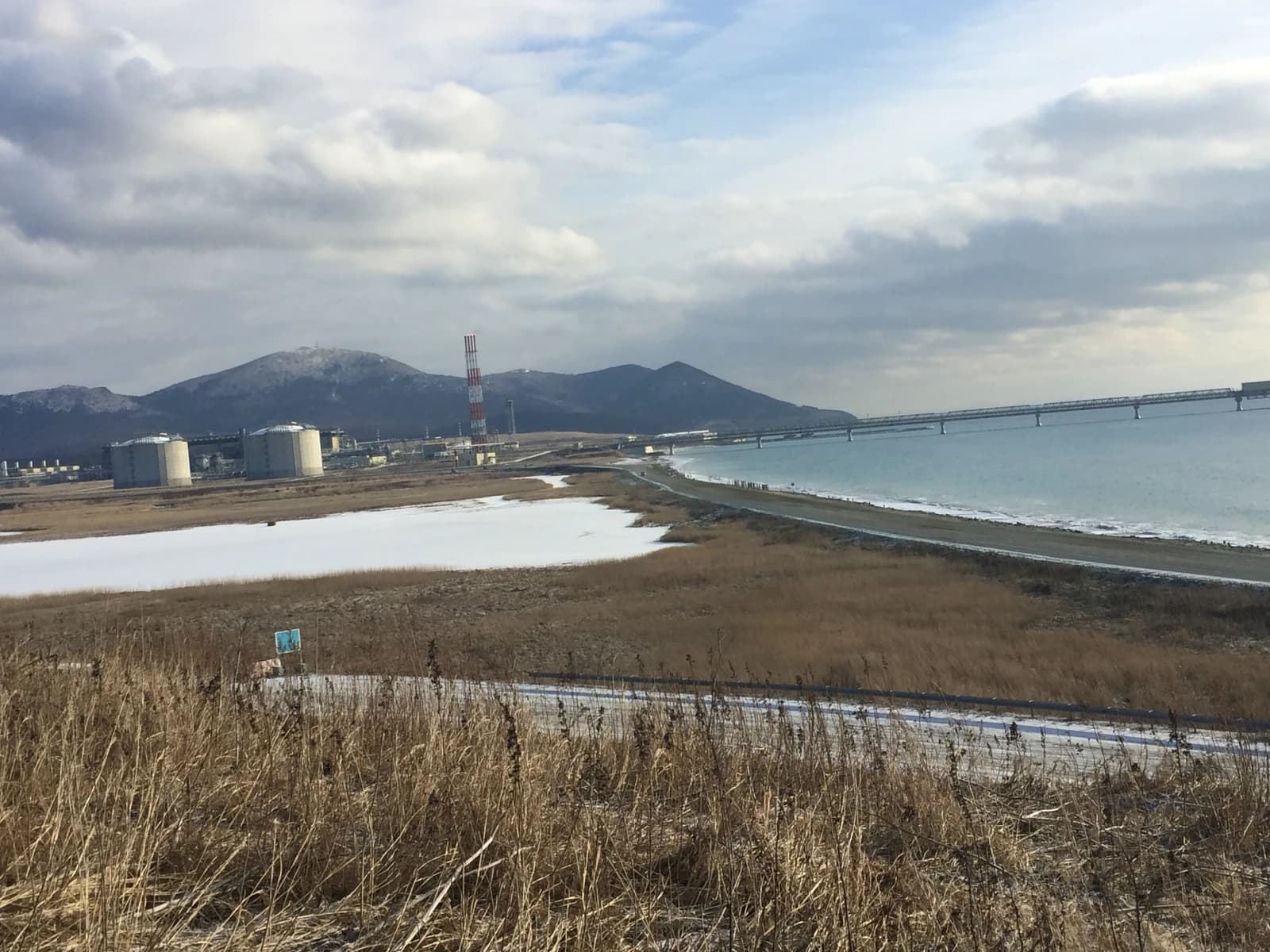
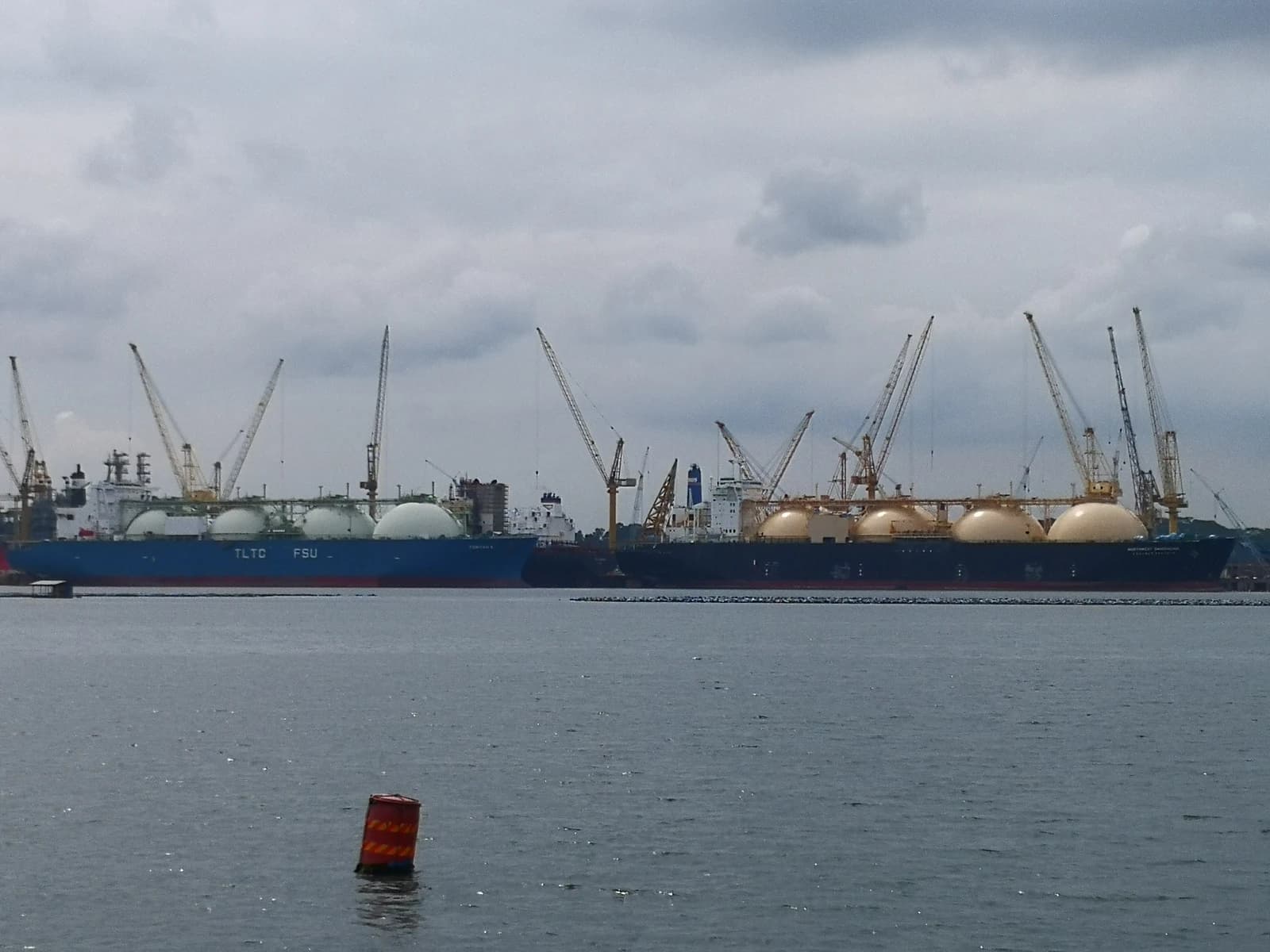
The Malaysian state energy company is not starting from scratch. It has operated in Vietnam since 1991 and in April 2025 delivered its first LNG cargo to PV GAS, moving product from its Bintulu complex in Sarawak to the Thi Vai LNG terminal. That matters because physical supply relationships, once established, can become sticky and support repeat contracting.
A long-term arrangement would also help Vietnam smooth pricing. PETRONAS said spot purchases carry more risk, while longer contracts tend to produce more predictable average prices. That predictability is important for policymakers trying to balance affordability, reliability and lower carbon emissions as they reshape the country’s power mix.
The broader backdrop is a tightening global LNG market, where buyers in Asia are still racing to secure supply and geopolitical disruption remains a constant threat. Vietnam is trying to avoid the costly mismatch that can emerge when demand rises faster than domestic production and infrastructure.
PETRONAS is also signaling that LNG is only part of the story. The company said upstream exploration and production remain essential, including in the PM3 commercial arrangement area between Malaysia and Vietnam, which has been extended to 2047. That suggests both countries see continued value in joint energy development even as the region leans more heavily on imported gas.
For long-term investors, the takeaway is that energy security is becoming an investable theme in Southeast Asia, not just a policy slogan. Companies with supply, infrastructure and cross-border relationships should remain in demand. PETRONAS’ commitment is worth watching, especially if it turns into a broader set of contracts that improve the visibility of Vietnam’s gas market for years to come.
| Entity | Gains | Losses |
|---|---|---|
| PETRONAS | ▲Long-term LNG sales | ▼Spot-price volatility |
| Vietnam / Petrovietnam | ▲More secure gas supply | ▼Dependence on imports |
| LNG traders | ▲Contracting opportunities | ▼Short-term margin swings |
| Domestic gas producers | ▲Policy support for gas use | ▼Declining relevance as local supply fades |