Filipino motorists face another split move at the pump on Tuesday, with gasoline and kerosene set for relief while diesel climbs again, underscoring how tight global fuel markets keep feeding through to domestic prices.
Philippine pump prices: gasoline down, diesel up
Shell Pilipinas Corp. said it will lower gasoline by P4.30 a liter and kerosene by P1.00 a liter, while diesel will increase by P2.60 a liter, effective nationwide at 6 a.m. Other oil companies had not yet issued their own advisories, so final retail changes may vary slightly by station.
Sentiment Indicators
The adjustment matters because diesel is the fuel most closely tied to transportation, logistics and goods distribution. A higher diesel bill can quickly filter into bus fares, delivery costs and operating expenses for businesses, even as cheaper gasoline offers some relief to private motorists.
The latest round follows mixed changes last week, when gasoline rose P1.56 a liter, kerosene gained P1.77 and diesel dropped P3.01. Industry sources cited higher freight costs behind the new diesel hike, while earlier market estimates pointed to limited global diesel supplies and better gasoline availability.
Based on those estimates, gasoline could average about P88.60 a liter after the rollback from P92.90, while diesel may rise to around P94.25 from P91.65. Even so, fuel remains far more expensive than at the start of the year, with year-to-date net increases of P71.59 a liter for gasoline, P64.83 for diesel and P61.99 for kerosene as of Oct. 12.
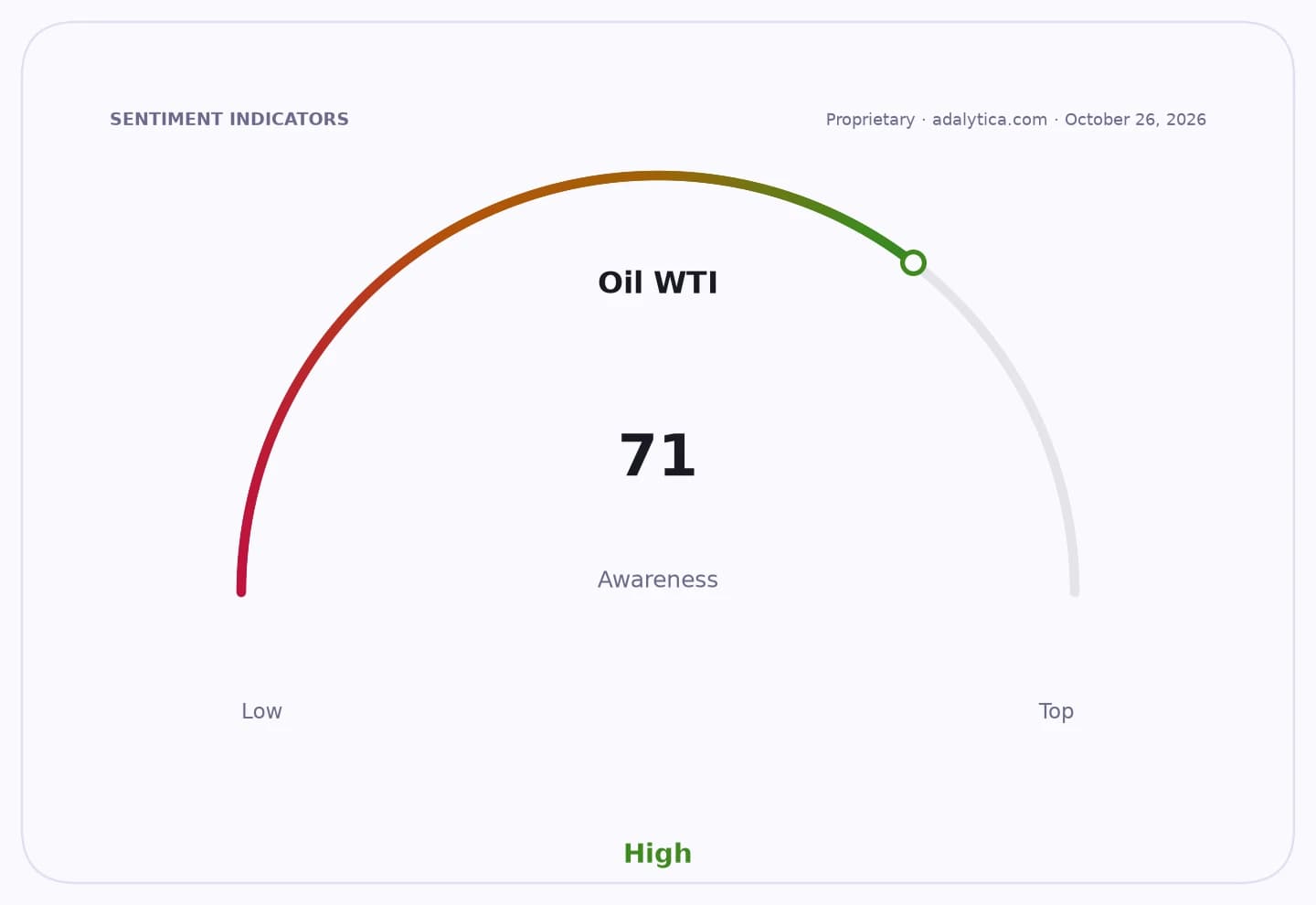
Global energy markets are still volatile, and that is keeping pump prices unstable. WTI futures have swung sharply in recent weeks, while U.S. energy stocks and oil-tracking funds have stayed elevated, reflecting how traders continue to price in supply risk and geopolitical tension.
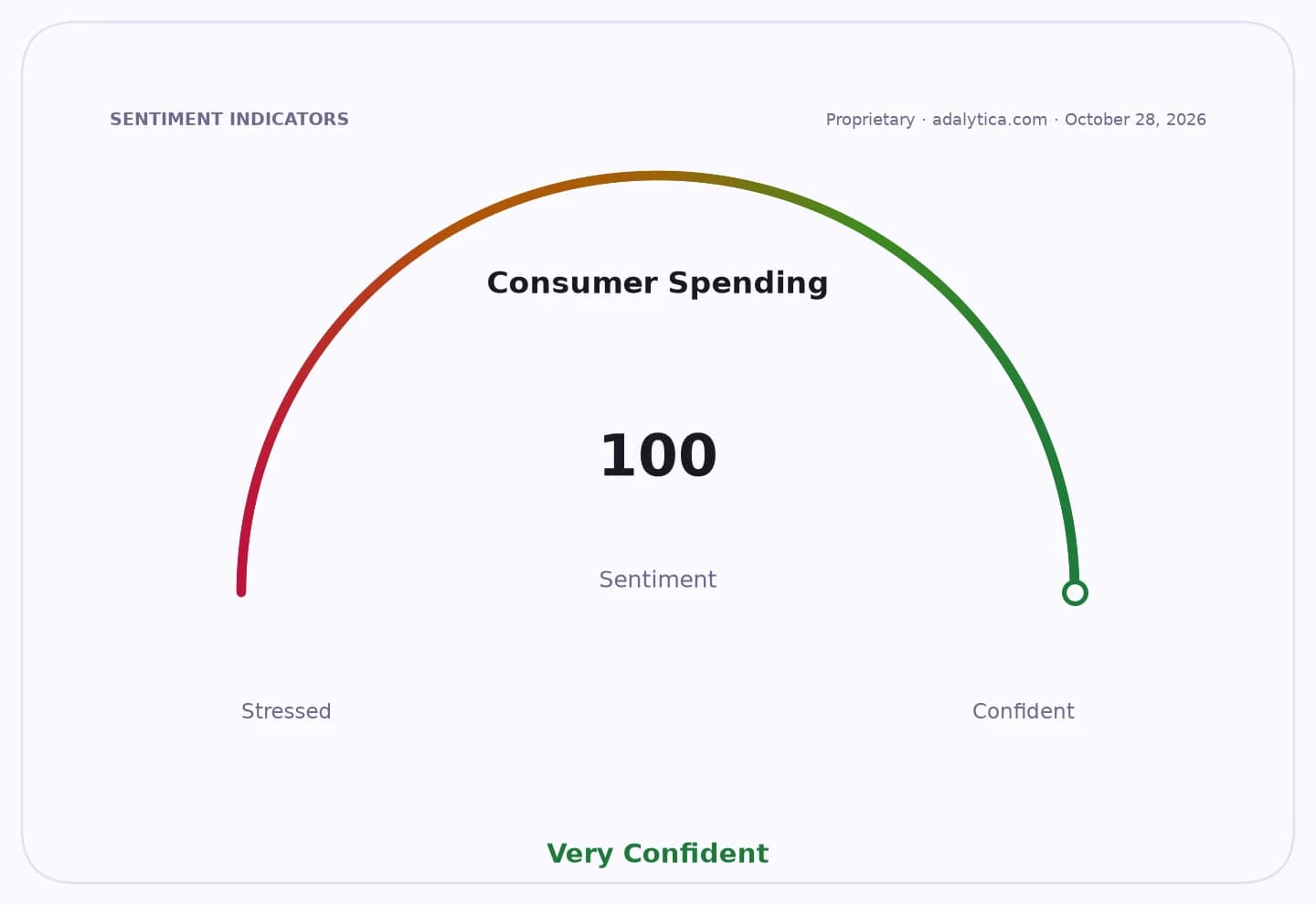
For investors, the mixed reset is a reminder that fuel inflation has not fully eased and could still pressure consumer spending, margins for transport-dependent companies and broader price expectations. The next swing in domestic pump prices will depend on crude moves, freight costs and whether global diesel supply tightness persists into late October.
| Entity | Gains | Losses |
|---|---|---|
| Private motorists | ▲Lower gasoline costs | ▼Higher diesel-linked inflation |
| Transport operators | ▲Little benefit from gasoline rollback | ▼Higher operating costs |
| Oil retailers | ▲Pass through price changes | ▼Demand pressure from higher diesel |
| Consumers | ▲Cheaper kerosene and gasoline | ▼Higher delivery and fare costs |