The Philippines summoned China’s ambassador after Beijing appeared to threaten force in a fresh flare-up over the South China Sea, underscoring how quickly rhetoric between the two countries can spill into markets and regional security calculations.
Philippines Summons China Envoy Over South China Sea
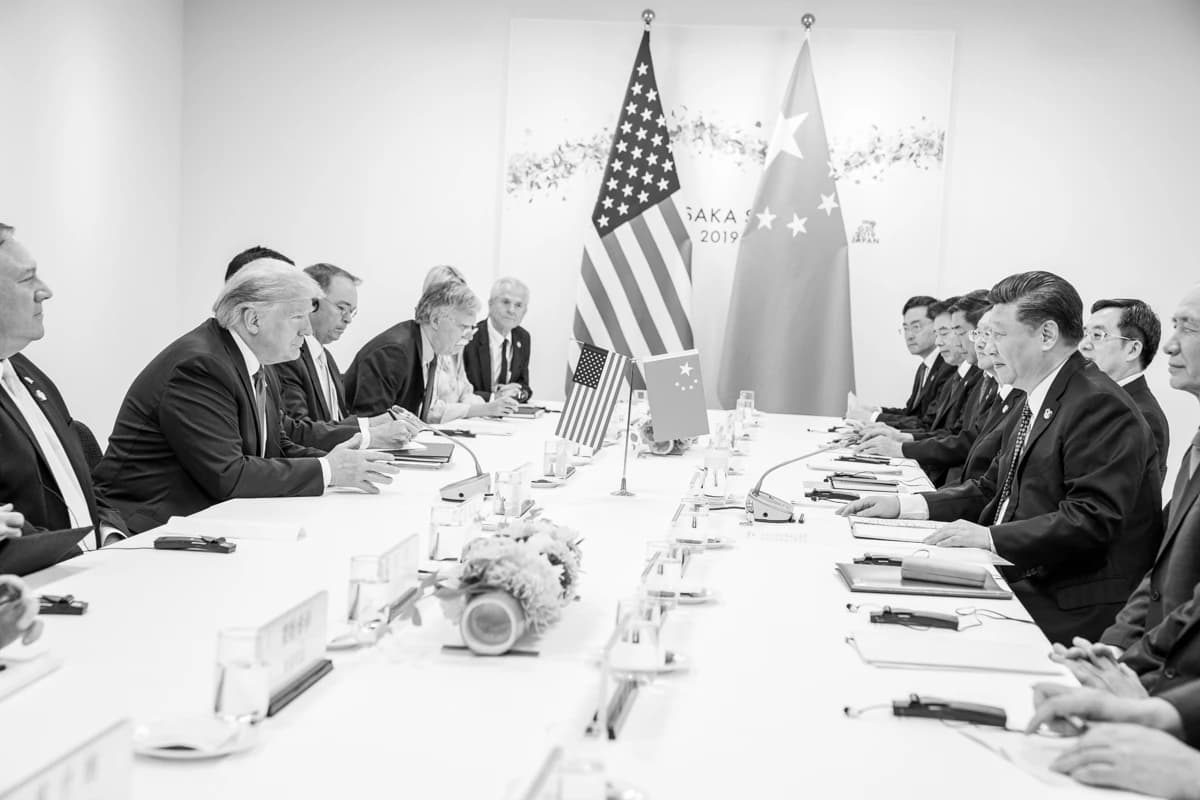
Manila said the comments by Chinese Ambassador Huang Xilian, who told reporters that China “could win easily” in any confrontation with the Philippines but would not use force because “we love peace,” were “provocative and unacceptable” and worsened an already sensitive relationship. The foreign ministry said the dispute should be handled through diplomatic channels and bilateral mechanisms, not public intimidation.
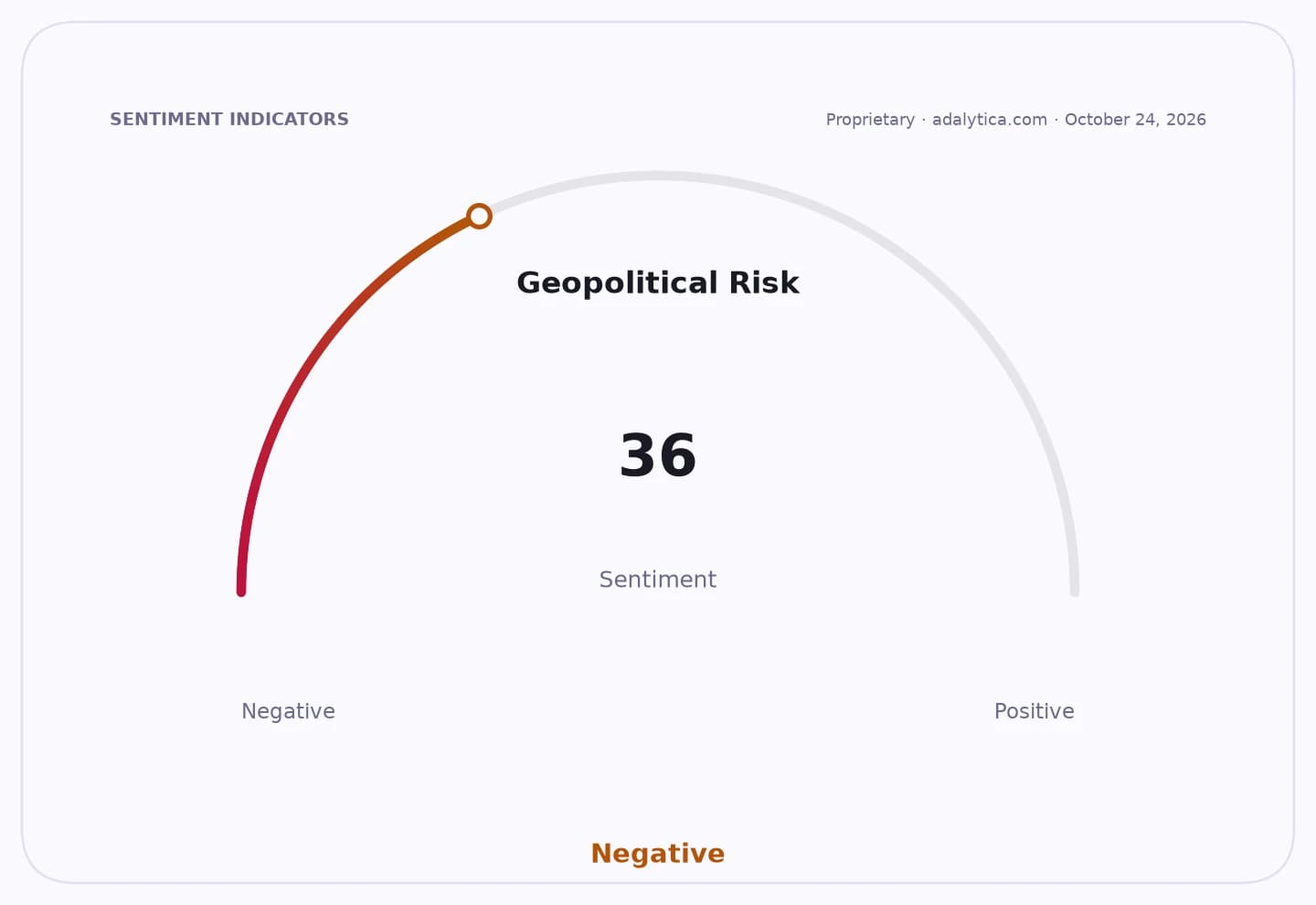
Sentiment IndicatorsⓘProprietary · adalytica.com · October 24, 2026
This is a snapshot — live sentiment, awareness and momentum for 130+ markets update continuously in the dashboard.Open AlphaPulse
The episode matters because the Philippines is a treaty ally of the US and one of the most exposed flashpoints in the broader contest over the South China Sea, a critical shipping route and energy corridor. Even without shots fired, repeated confrontations at sea raise the odds of miscalculation, invite deeper US involvement and keep risk premia elevated across the region.
China’s foreign ministry pushed back, accusing unnamed Philippine figures of “maliciously hyping” China-related issues and urging Manila to rein in irresponsible comments by politicians. Beijing said improving ties serves both sides’ interests, while its embassy in Manila said the ambassador’s remarks were taken out of context.
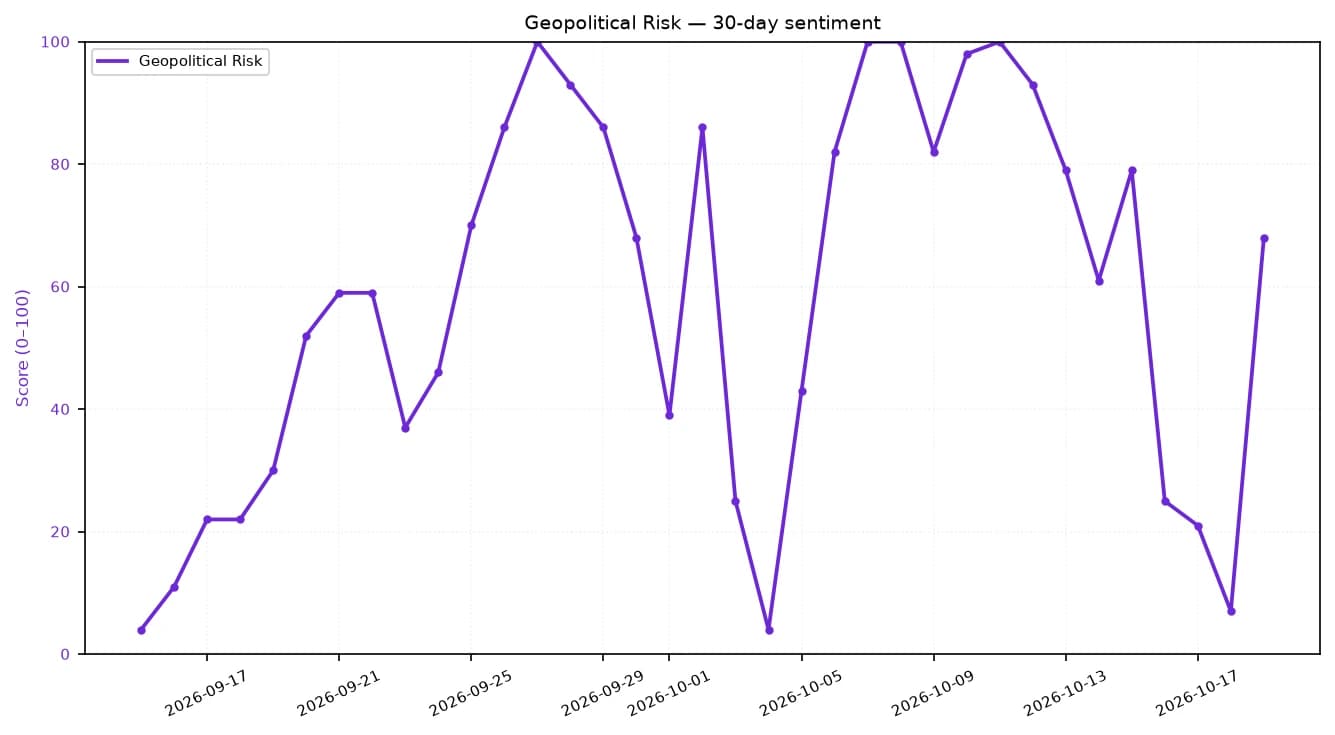
Geopolitical Risk vs FXIadalytica.com
Explore this data interactively — full history, time series and cross-market comparisons.Open AlphaPulse
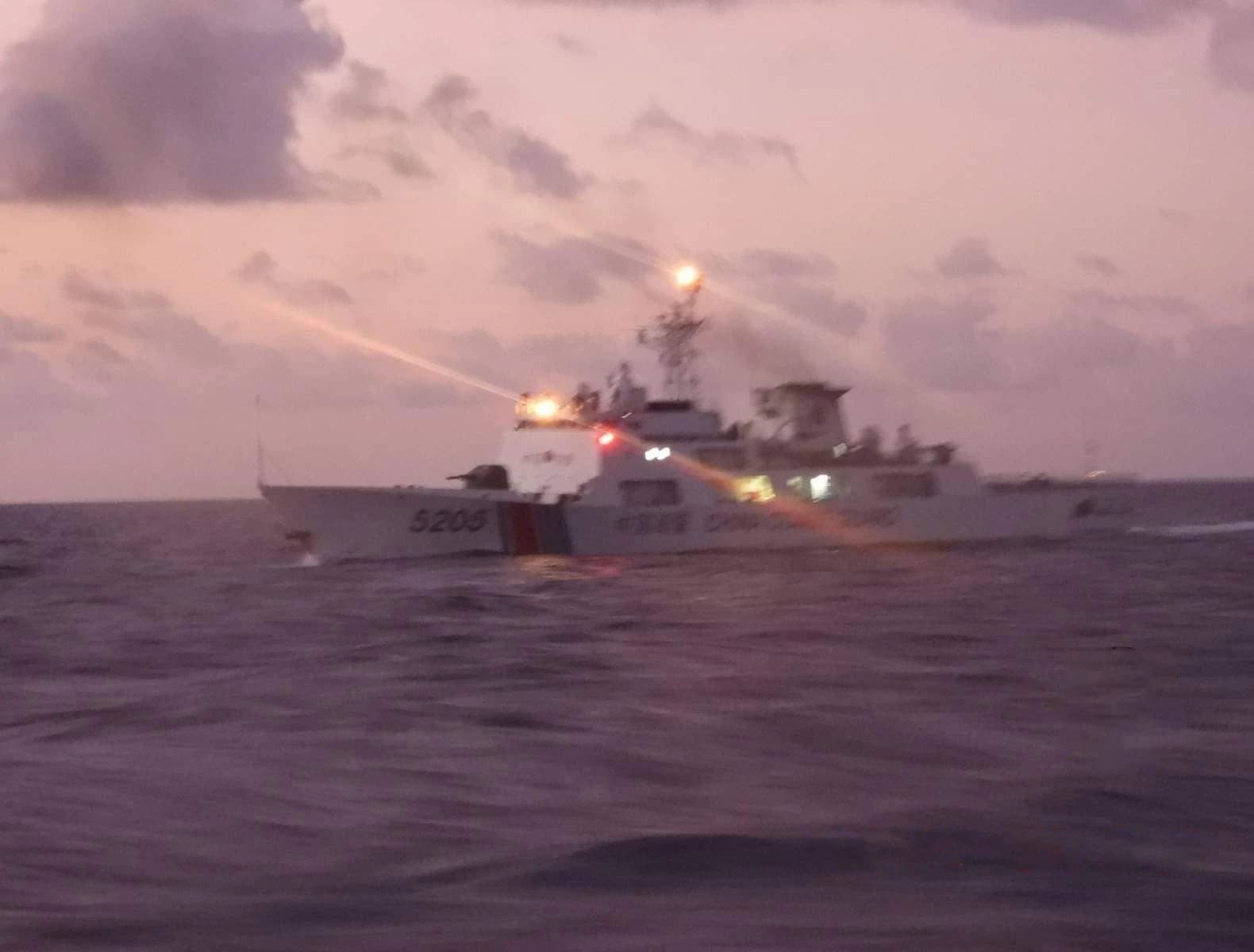
The diplomatic clash follows years of increasingly frequent standoffs between Chinese and Philippine vessels in waters Beijing claims almost in full and Manila says lie within its exclusive economic zone. The Philippines has accused China’s coast guard of aggressive behavior, while Beijing says it is enforcing its own sovereignty claims.
For investors, the direct market impact is likely to be felt less in isolated price moves than in the broader tone of Asia risk assets. China-linked funds and Hong Kong-exposed equities tend to be sensitive to any deterioration in regional relations, even when the immediate headlines do not change the trade or growth outlook. The latest data show the China ETF FXI closed at $32.31 on Oct. 23, below both its 50-day moving average of $34.45 and 200-day average of $35.70, with RSI at 30.9, a sign of already fragile technical momentum. The Hong Kong ETF EWH was more resilient at $21.73, but still below its 50-day and 200-day averages.
Adalytica’s Global Stability Sentiment gauge was at 36, labeled Neutral, but its awareness reading sat at an “Extreme Fear” level of 11, while the US–China Relations Sentiment measure was 39, also Neutral, with awareness at 4. That combination suggests investors are not pricing a systemic crisis, but they are highly alert to escalation risk.
The immediate question is whether the exchange stays at the level of diplomatic protest or feeds into more frequent maritime encounters, sanctions talk or a harder US security posture in the region. For now, the message from both capitals is familiar: neither side wants a rupture, but neither is willing to yield ground.
| Entity | Gains | Losses |
|---|---|---|
| Philippines | ▲Diplomatic backing | ▼Calm security backdrop |
| China | ▲Assertive deterrence | ▼Regional trust |
| US allies in Asia | ▲Stronger alignment case | ▼Lower stability |
| FXI/EWH investors | ▲Volatility trading opportunities | ▼Lower risk appetite |