Europe’s public-sector cyber defenses are being pushed into emergency mode after authorities warned that two critical flaws in PHP could let attackers execute code on vulnerable servers without logging in.
PHP flaws prompt Europe cyber patch warning
The warning matters because PHP remains embedded in a huge share of the web stack, from WordPress and Drupal to Magento, Joomla and Nextcloud, meaning a flaw in the language can ripple across government portals, hospitals, universities and commercial sites at once. The German BSI had already sounded the alarm, and Switzerland’s federal cyber authority now says security updates are available immediately.
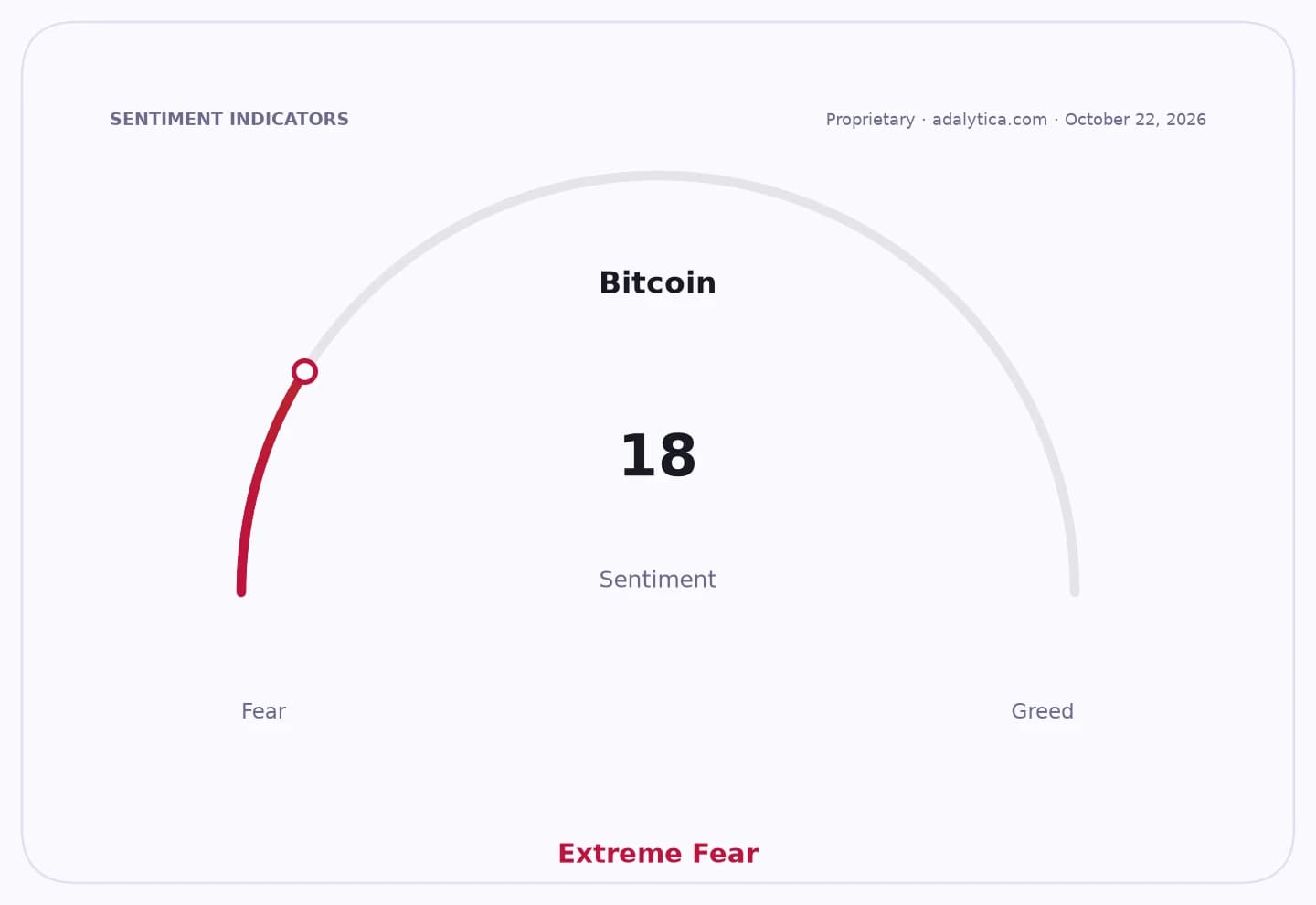
Sentiment IndicatorsⓘProprietary · adalytica.com · October 27, 2026
This is a snapshot — live sentiment, awareness and momentum for 130+ markets update continuously in the dashboard.Open AlphaPulse
The Swiss Federal Office for Cybersecurity urged operators to identify all PHP installations, versions and responsible administrators, then patch without delay and restart affected services and long-running PHP processes. It also warned that updates do not remove a compromise that has already happened, telling organizations to check logs for unusual requests, crashes, altered files and unexpected processes.
The vulnerability lands at a time when cyber risk is already front and center for investors after a string of breaches across sectors. Recent incidents at Capcom and Quest Diagnostics reinforced how quickly attackers can turn software weaknesses into data theft, regulatory scrutiny and remediation costs.
For cybersecurity vendors, the episode is another reminder of persistent demand for monitoring, response and patch-management tools. CrowdStrike, Palo Alto Networks and Fortinet have all been under scrutiny for how well they help customers detect and contain intrusions, while the broader market remains highly sensitive to any rise in breach activity and compliance spending.
CrowdStrike shares have surged to $261.83 from $94.29 in early February, though the stock’s 14-day RSI was still a relatively elevated 42.5 in the latest reading, while Palo Alto Networks closed at $390.46 and Fortinet at $183.33. The moves show investors continue to reward cybersecurity names even as the sector faces its own volatility.
The next catalyst is whether the PHP flaws produce confirmed intrusions in public or enterprise systems. If they do, the incident could extend the case for faster patch cycles, stricter software inventory controls and more spending on endpoint and incident-response defenses.
| Entity | Gains | Losses |
|---|---|---|
| Cybersecurity vendors | ▲More urgency for security spending | ▼Less if patching prevents major breaches |
| Public agencies and operators | ▲Faster remediation if they patch now | ▼Exposure to outages and compromise |
| Attackers | ▲More targets with unpatched PHP | ▼Fewer opportunities as updates roll out |
| Investors in security stocks | ▲Demand narrative stays intact | ▼Valuation risk if breach wave eases |