Hackers are getting better at finding software flaws before companies can patch them, and the latest PHP security scare shows just how quickly that gap is widening.
PHP vulnerabilities raise cyber risk for websites

That matters because PHP still powers more than 70% of websites worldwide, making a newly disclosed pair of critical vulnerabilities a threat not just to a handful of organizations, but to the plumbing of the internet itself. When the time between disclosure and exploitation shrinks from weeks to hours, the economic cost jumps fast: emergency shutdowns, lost traffic, disrupted services and a much higher burden on companies to constantly inventory and secure their software.
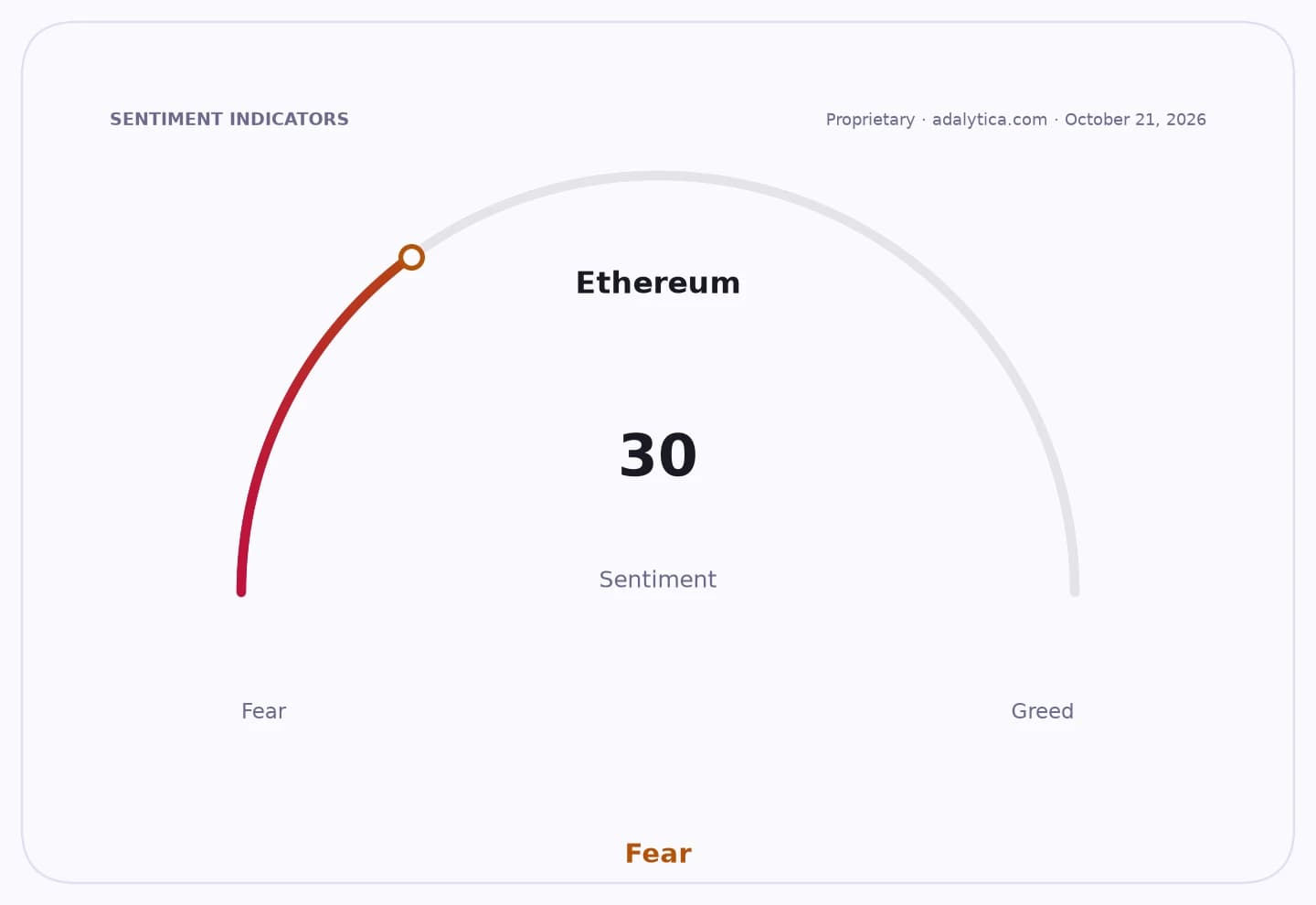
Sentiment IndicatorsⓘProprietary · adalytica.com · October 27, 2026
This is a snapshot — live sentiment, awareness and momentum for 130+ markets update continuously in the dashboard.Open AlphaPulse

The immediate response has been exactly what investors should expect in a world of accelerated cyber risk: websites and services were taken offline first, patched second. In Belgium, Dutch and other European organizations pulled down sites tied to government services, media, banks, hospitals, schools and public utilities. Some platforms were restored after updates, while others stayed offline because they ran older versions of PHP that could not be fixed as quickly.
That is the real story here. The vulnerability itself is important, but the bigger shift is that AI is compressing the window defenders have to act. Security experts warned that what once took attackers weeks or a month to weaponize can now happen in days or even hours. OpenAI said one of the leaks was identified with the help of an AI model, while also warning that the same technology can help hackers discover weaknesses faster. In other words, AI is not just making defenses smarter — it is also making offense cheaper, quicker and more scalable.
For investors, that cuts two ways. First, it reinforces the case for cybersecurity spending as a non-discretionary budget item. Second, it favors vendors that can help enterprises map software dependencies, patch faster and monitor threats continuously. That is the environment in which firms like Palo Alto Networks, CrowdStrike and Fortinet tend to benefit over the long term, because customers are no longer buying security as a periodic upgrade — they are buying resilience against a moving target.
The market has already been rewarding that theme. Palo Alto Networks has surged well above its 200-day moving average, while CrowdStrike and Fortinet have also held firm above their long-term trend lines despite recent volatility. That doesn’t mean these names are cheap, but it does underline a simple investing truth: when cyber risk becomes more immediate, durable security platforms become more valuable.
For long-term investors, the lesson is not to chase panic. It is to recognize that AI is raising the stakes for every company that runs legacy code, holds sensitive data or depends on continuous uptime. The winners over the next several years are likely to be the firms that can sell visibility, automation and response speed at scale. This is a reminder to keep cybersecurity on your watchlist — and to think in years, not hours.
| Entity | Gains | Losses |
|---|---|---|
| Cybersecurity vendors | ▲Higher demand for protection | ▼None in this incident |
| Hackers using AI | ▲Faster vulnerability discovery | ▼Greater scrutiny and patching |
| Website operators with legacy PHP | ▲Faster awareness of risk | ▼Downtime and emergency costs |
| Investors in cyber stocks | ▲Long-term secular demand | ▼Short-term valuation volatility |