Some government and commercial websites went dark on Wednesday after U.S. cyber authorities warned of two critical flaws in PHP, the web programming language used by a large share of websites and applications, underscoring how quickly a software weakness can turn into an operational and national-security problem.
PHP vulnerabilities force websites offline after FBI warning
The FBI and the National Security Agency said the vulnerabilities could let attackers remotely execute code in PHP and potentially steal sensitive data or move deeper into networks. Their advice was blunt: if operators could not patch immediately, they should take sites offline. That warning quickly translated into service disruptions, including Finland’s government website, which was only partly accessible while patches were applied.
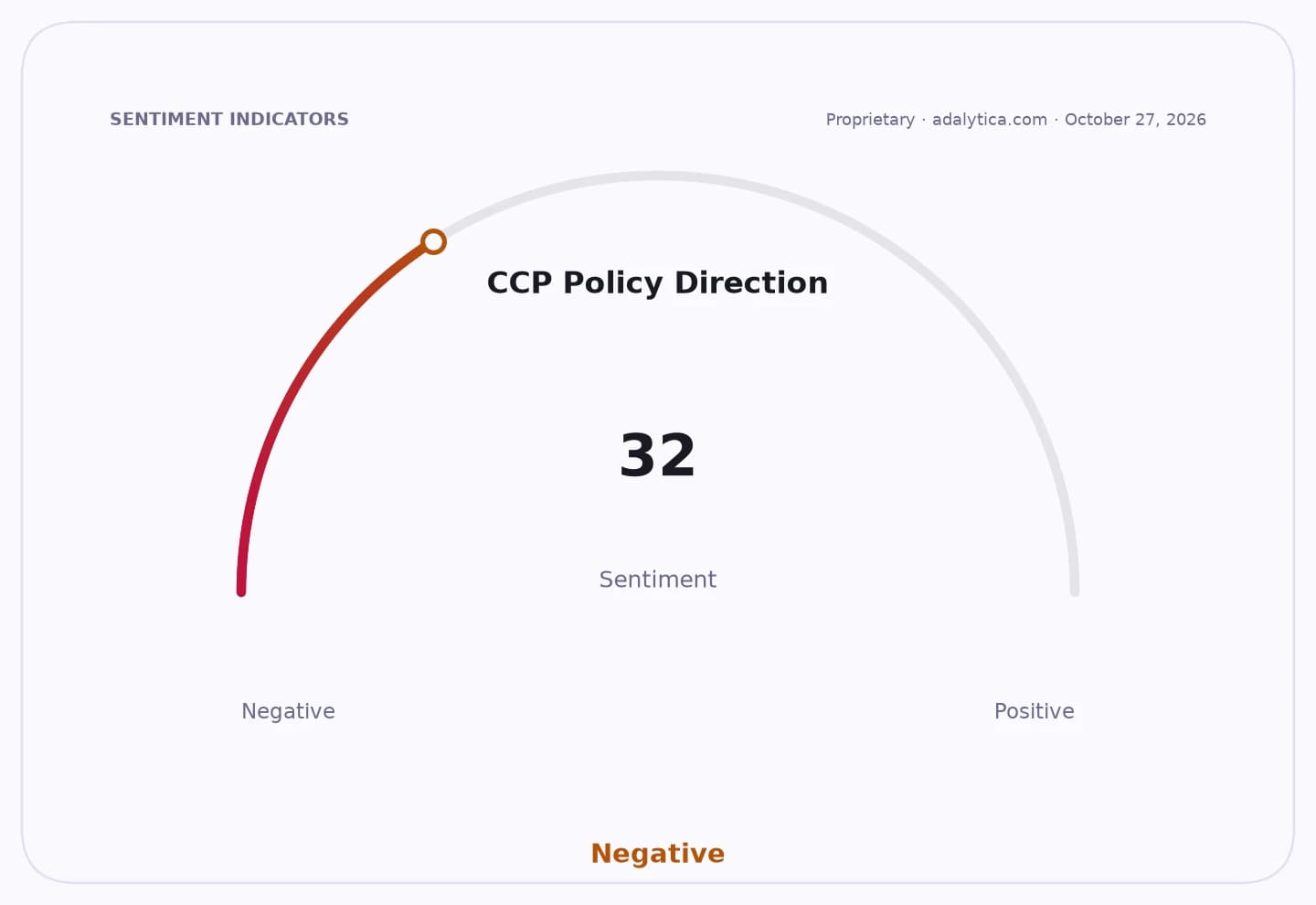
Sentiment IndicatorsⓘProprietary · adalytica.com · October 27, 2026
This is a snapshot — live sentiment, awareness and momentum for 130+ markets update continuously in the dashboard.Open AlphaPulse
The immediate economic significance is that a flaw in a foundational layer of the internet can force organizations to choose between availability and security. Taking a website offline may be costly for public agencies, retailers and service providers, but leaving it exposed risks data breaches, ransomware-style intrusion and broader network compromise. For governments, the episode also highlights the fragility of digital public services; for companies, it raises the likelihood of incident-response spending, emergency patching and possible reputational damage.
The discovery is notable because artificial intelligence helped uncover the vulnerabilities, adding a new layer to the cybersecurity trade-off. OpenAI said it had coordinated with researchers, security vendors including Wiz and Cloudflare, and PHP maintainers over the past two months to prepare fixes ahead of disclosure. The PHP Foundation said it had released patches and instructions. That suggests AI is increasingly useful not just for offense, but for finding flaws before they are exploited at scale.
For investors, the story reinforces the case for cybersecurity spending, but also shows the market is shifting from perimeter defense to faster detection, response and remediation. Vendors focused on cloud security, application security and AI-assisted threat detection stand to benefit as customers look for tools that can identify vulnerabilities sooner and help prevent emergency shutdowns. The event is less about one isolated bug than about how AI is changing both the speed of discovery and the speed of defense.
The broader lesson is that enterprises are becoming more dependent on software stacks that are old, widely deployed and difficult to replace quickly. That leaves them exposed when a vulnerability emerges in a core language such as PHP. The near-term watchpoints are how widely the flaw was embedded, whether patches are adopted quickly enough to prevent exploitation, and whether the episode accelerates demand for AI-aware security products across governments and industry.
| Entity | Gains | Losses |
|---|---|---|
| PHP Foundation | ▲Patch credibility | ▼Exposure to scrutiny |
| Government websites | ▲Reduced risk after patching | ▼Temporary downtime |
| Cybersecurity vendors | ▲More demand for defenses | ▼None immediately |
| Attackers | ▲Opportunity if patches lag | ▼Loss if fixes deploy fast |