A newly opened Chinese canal in Guangxi may not move markets overnight, but it could reshape one of Asia’s most important trade corridors by making it cheaper and faster to ship goods between China and Southeast Asia.
Pinglu Canal Could Cut China-ASEAN Shipping Costs
That is the real investment story behind the Pinglu Canal: lower transport friction, more efficient supply chains and a stronger physical link between China’s southern industrial belt and ASEAN consumers. A Cambodian media publisher hailed the waterway as a boost to trade and logistics, saying it should give ASEAN countries access to cheaper goods while also benefiting China.
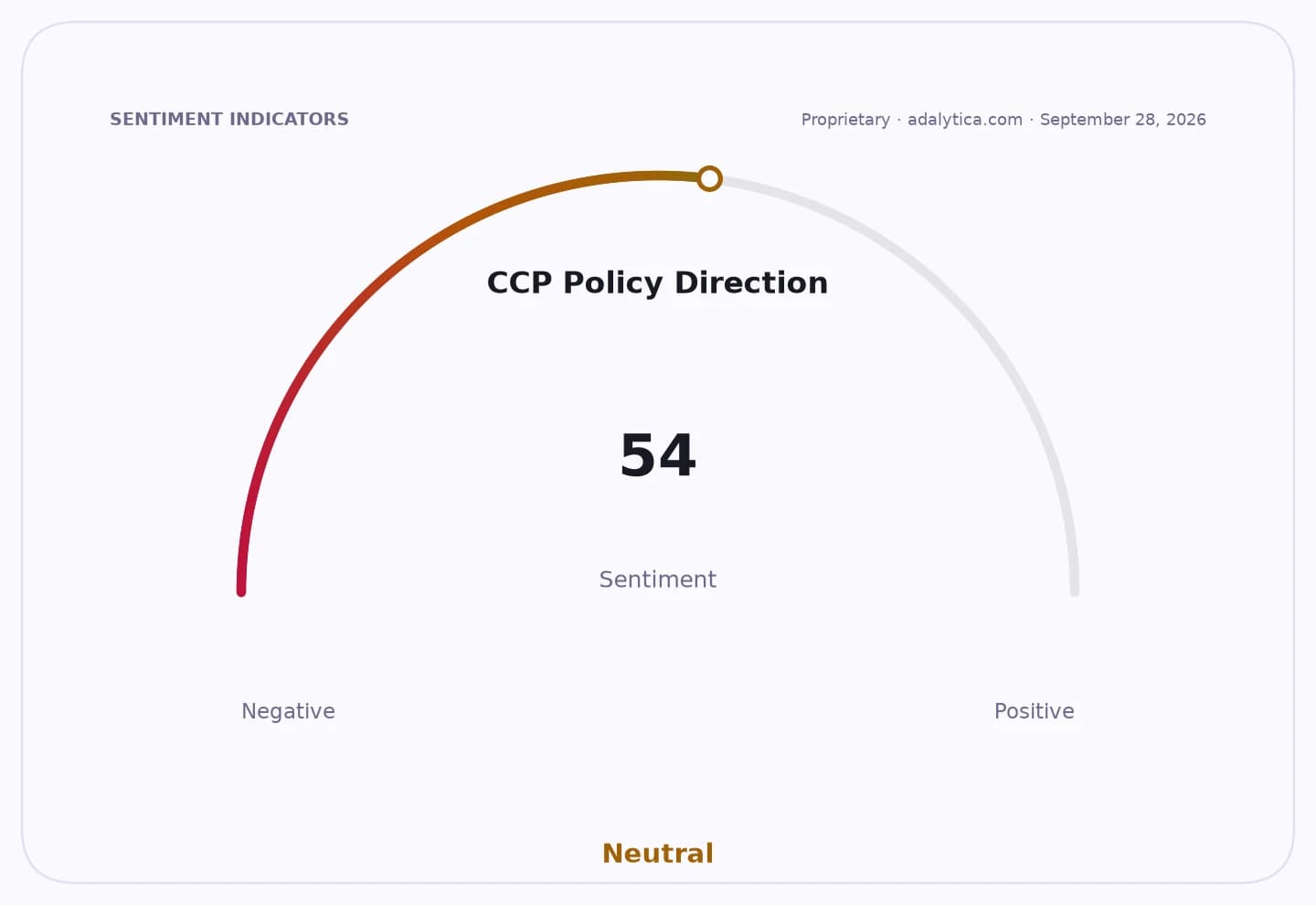
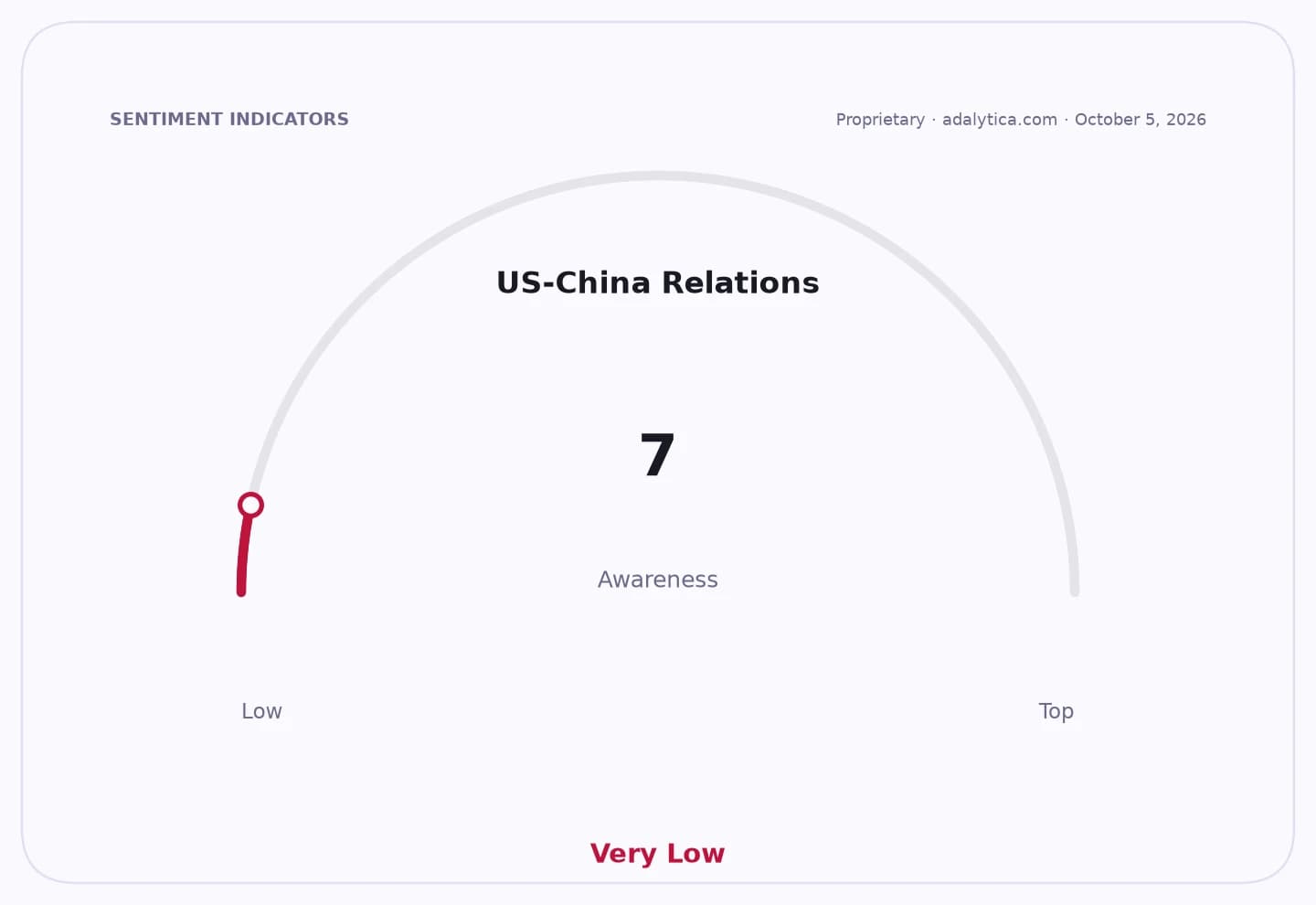
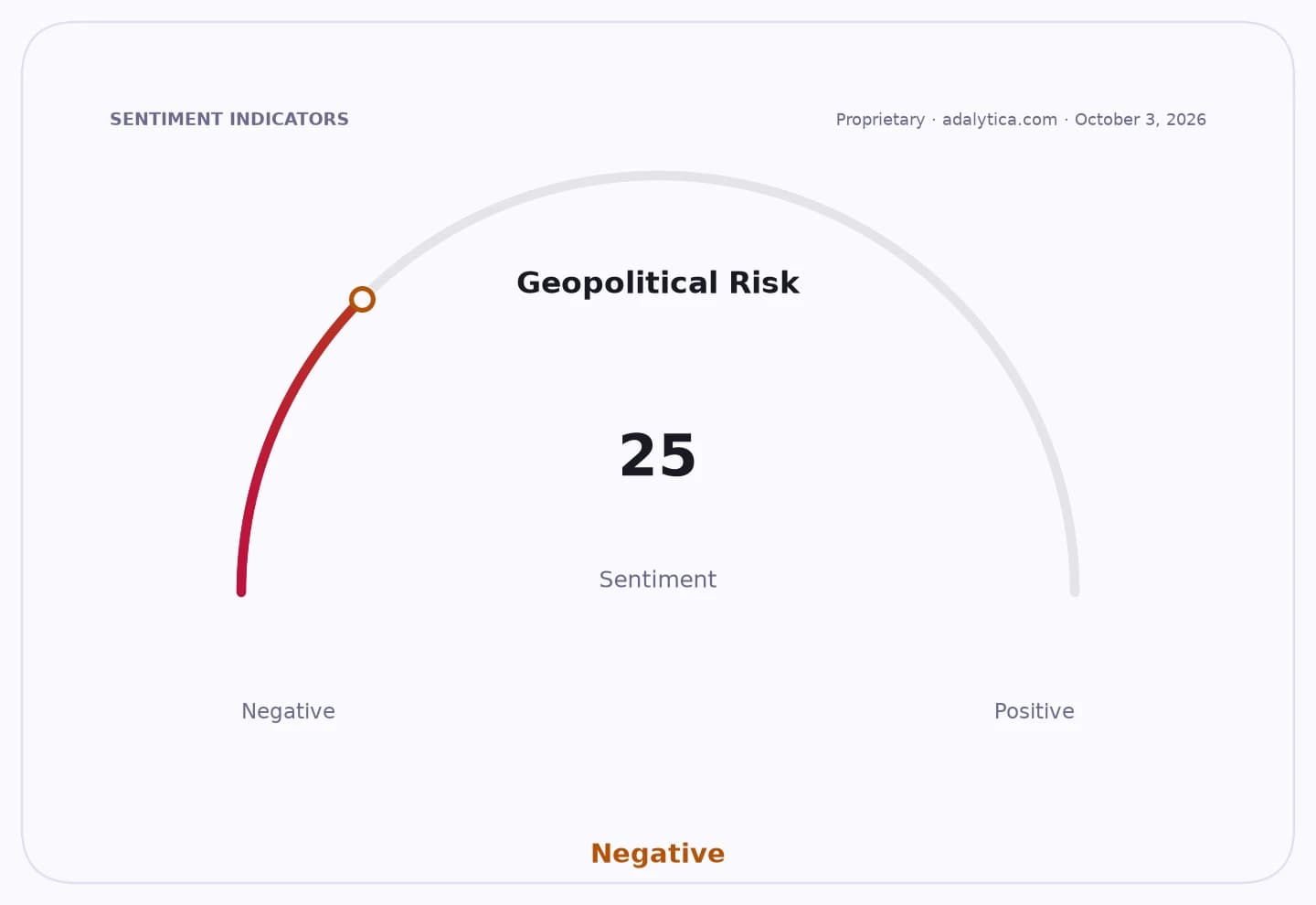
Sentiment IndicatorsⓘProprietary · adalytica.com · October 8, 2026
This is a snapshot — live sentiment, awareness and momentum for 130+ markets update continuously in the dashboard.Open AlphaPulse
For investors, infrastructure like this matters because trade networks are not just about shipping routes — they are about margins. When freight costs fall, exporters can compete more aggressively, importers can keep prices down and logistics companies can move more volume through the system. Over time, that can support everything from port operators and freight forwarders to industrial suppliers tied to cross-border commerce.
The Pinglu Canal also arrives at a moment when China is trying to deepen ties with Southeast Asia and reinforce regional supply chains. That broader pattern has obvious economic value. ASEAN has become one of China’s most important trade partners, and anything that improves the flow of raw materials, intermediate goods and finished products can help cushion manufacturers against higher costs elsewhere in the system.
The market relevance is less about a single stock and more about the ecosystem. Better connectivity tends to favor logistics operators, shipping-linked businesses, industrial exporters and infrastructure developers, while putting pressure on less efficient transport routes and higher-cost intermediaries. It can also help consumer demand by lowering the delivered price of goods across borders.
There is a geopolitical angle too. In a period of uneven U.S.-China relations and lingering supply-chain uncertainty, Beijing has strong incentives to strengthen regional trade channels that are under its own control. A canal is a physical asset, but it is also a strategic one: it reduces dependence on longer, more vulnerable routes and gives China another lever to knit neighboring economies closer to its own.
For long-term investors, the key takeaway is simple. Big infrastructure can be slow to generate headlines in earnings season, but it can quietly create durable winners by lowering costs and expanding trade volumes for years. The Pinglu Canal looks like one of those projects worth watching, especially for companies exposed to China-ASEAN logistics, shipping and cross-border commerce.
| Entity | Gains | Losses |
|---|---|---|
| China exporters | ▲lower shipping costs | ▼fewer pricing frictions |
| ASEAN importers | ▲cheaper goods | ▼higher local competition |
| Logistics firms | ▲more trade volume | ▼route efficiency pressure |
| High-cost intermediaries | ▲none | ▼margin compression |