Poland’s plan to host an Apache service center in Łódź underscores how quickly the country’s military buildup is turning into a durable industrial strategy, with implications well beyond Warsaw’s eastern flank.
Poland Apache center in Łódź boosts defense sustainment
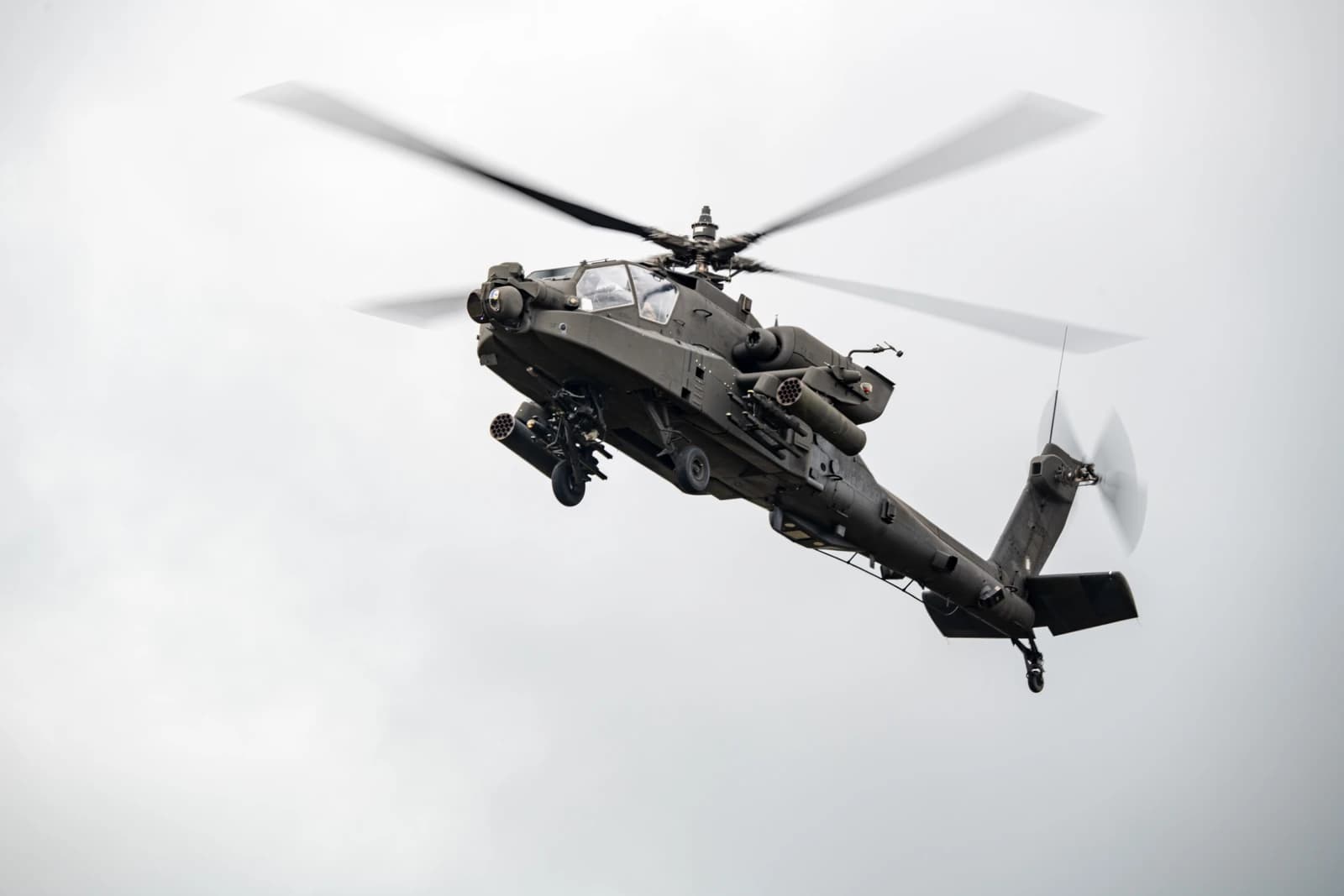
The center is part of a broader effort to make Poland the most modern army in Europe, a push driven by the war in Ukraine and by lingering fears that Russian pressure on NATO’s frontier could intensify. For investors, the significance is that Europe’s fastest-growing defense market is no longer just buying equipment; it is building the maintenance, training and sustainment infrastructure needed to keep high-end weapons operational for decades.
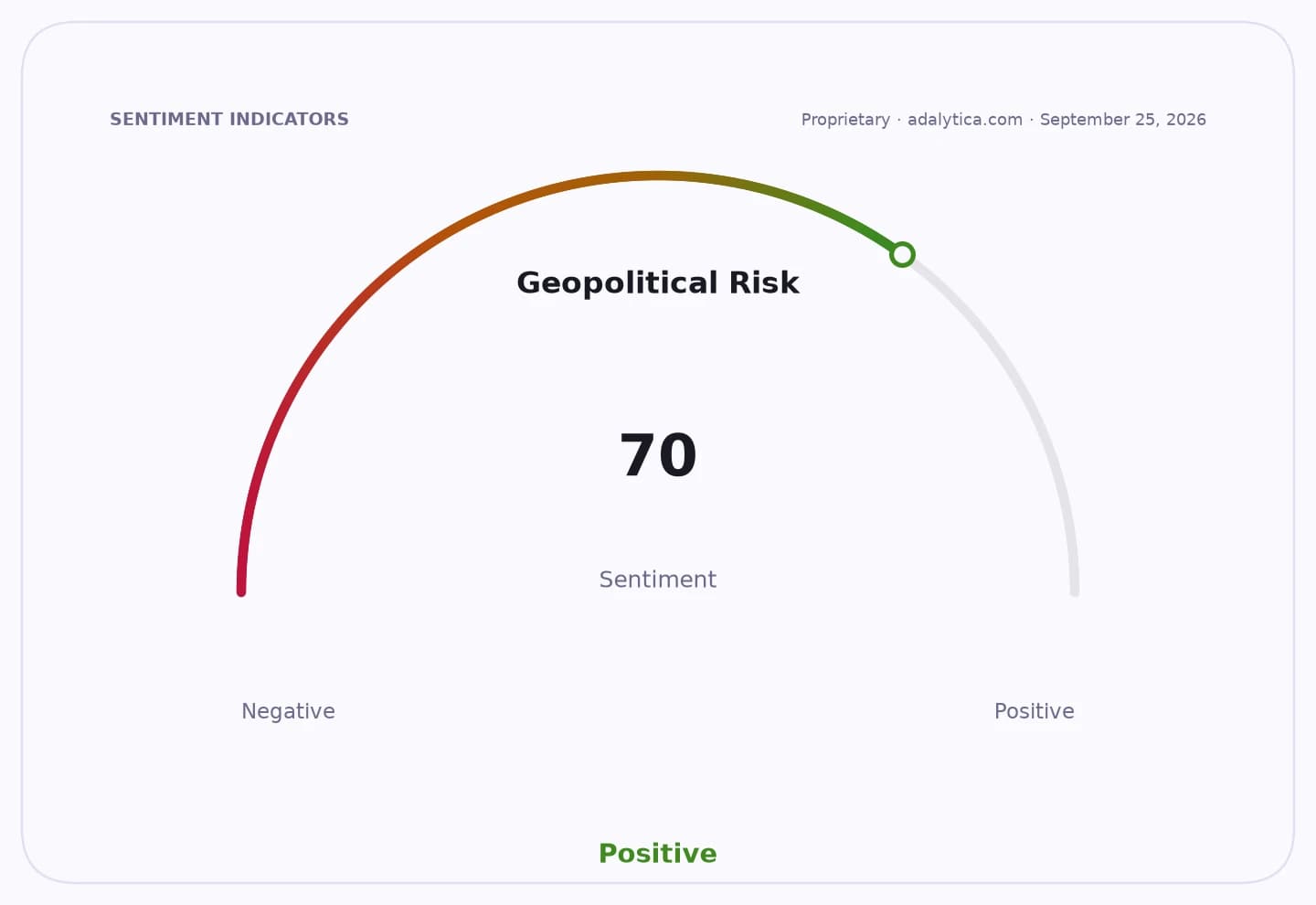
Sentiment IndicatorsⓘProprietary · adalytica.com · August 11, 2026
This is a snapshot — live sentiment, awareness and momentum for 130+ markets update continuously in the dashboard.Open AlphaPulse
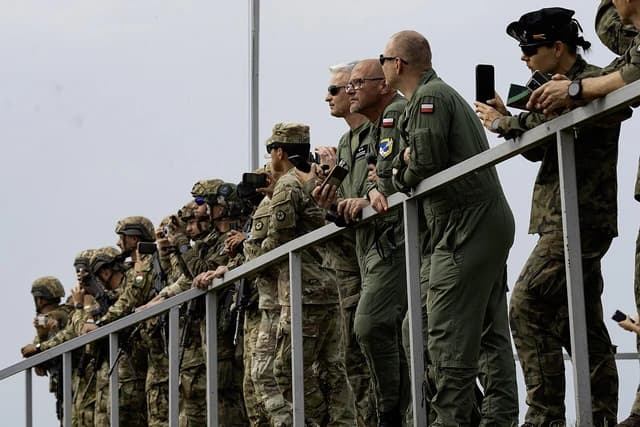
That matters economically because sustainment contracts often outlast the initial procurement cycle and can lock in recurring spending across local suppliers, engineering firms and logistics providers. An Apache hub in central Poland would add another layer to an expanding defense ecosystem that is already drawing in U.S. and European contractors, while helping Warsaw use NATO and EU funding channels to raise domestic readiness. Poland has also been pressing to tap unused EU SAFE defense funds, a sign that rearmament is increasingly being financed through a blend of national budgets and European mechanisms.
The market message is straightforward: Poland’s modernization drive supports the order books of prime contractors such as Lockheed Martin, RTX and General Dynamics, and helps explain why defense shares have remained resilient even as broader markets have wobbled. Lockheed’s stock has surged to a fresh high above $600, while RTX and General Dynamics have also climbed sharply, reflecting investor conviction that European rearmament is a multi-year revenue stream rather than a temporary spike. In technical terms, all three names are trading well above their 50-day and 200-day moving averages, a sign that the sector’s bullish trend remains intact.
Lockheed stands out as a direct beneficiary if Poland keeps expanding its U.S.-aligned arsenal, from helicopters and air defense to integrated command systems. RTX could benefit from radar, missile and sustainment work, while General Dynamics may see opportunities in vehicles, communications and long-cycle support services. The bigger picture is that Poland’s procurement model increasingly favors companies that can offer not just weapons, but local service, repair and training capacity inside Europe.
There are limits to the trade, though. A larger Polish defense footprint will also intensify competition among suppliers for contracts tied to Europe’s fastest-spending military market, and the value of those programs depends on whether governments sustain today’s spending once the immediate threat premium fades. For now, with geopolitical risk elevated and investor appetite for defense still strong, Poland’s Apache center is another sign that Europe’s security buildup is shifting from one-off purchases to industrial permanence.
| Entity | Gains | Losses |
|---|---|---|
| Poland | ▲Faster force readiness | ▼Higher budget strain |
| Lockheed Martin | ▲Service revenue | ▼Contract competition |
| U.S. defense suppliers | ▲Long-term orders | ▼Margin pressure from localization |
| European taxpayers/importers | ▲Better security coverage | ▼Higher defense bills |