The chances of a permanent US base in Poland are receding just as Warsaw had spent years positioning itself as Washington’s frontline ally against Russia, a shift that could reshape defense spending, regional security strategy and the market for military infrastructure.
Poland base plan fades as defense spending shifts
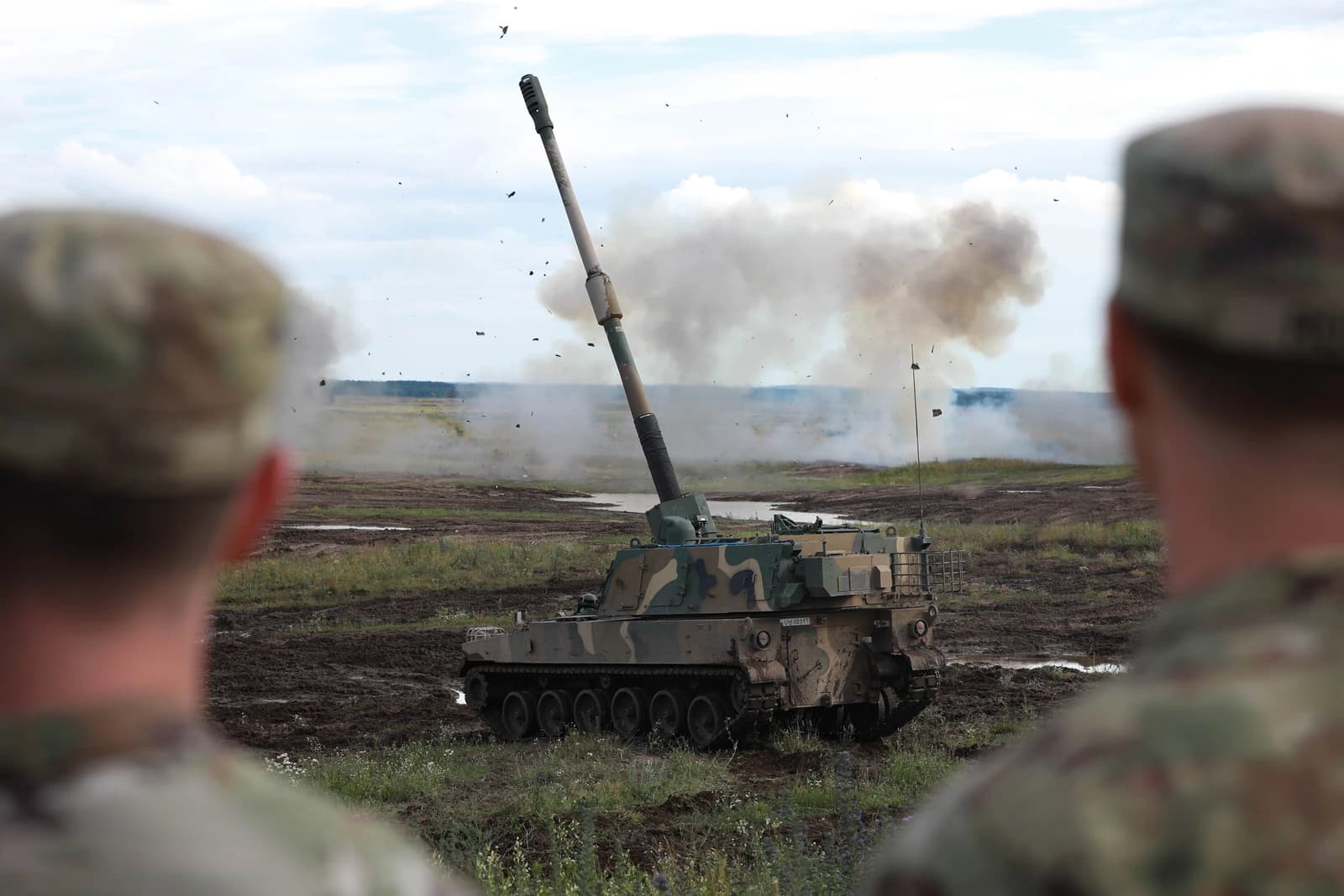
Mariusz Błaszczak’s warning that “Fort Trump” will not happen after the Republicans lost their grip on Congress captures the investment case better than the politics: Poland’s long-running bid to turn American troop presence into a fixed strategic asset now looks far less certain, and with it the economic payoff from the kind of multibillion-zloty buildout that a permanent base would require.
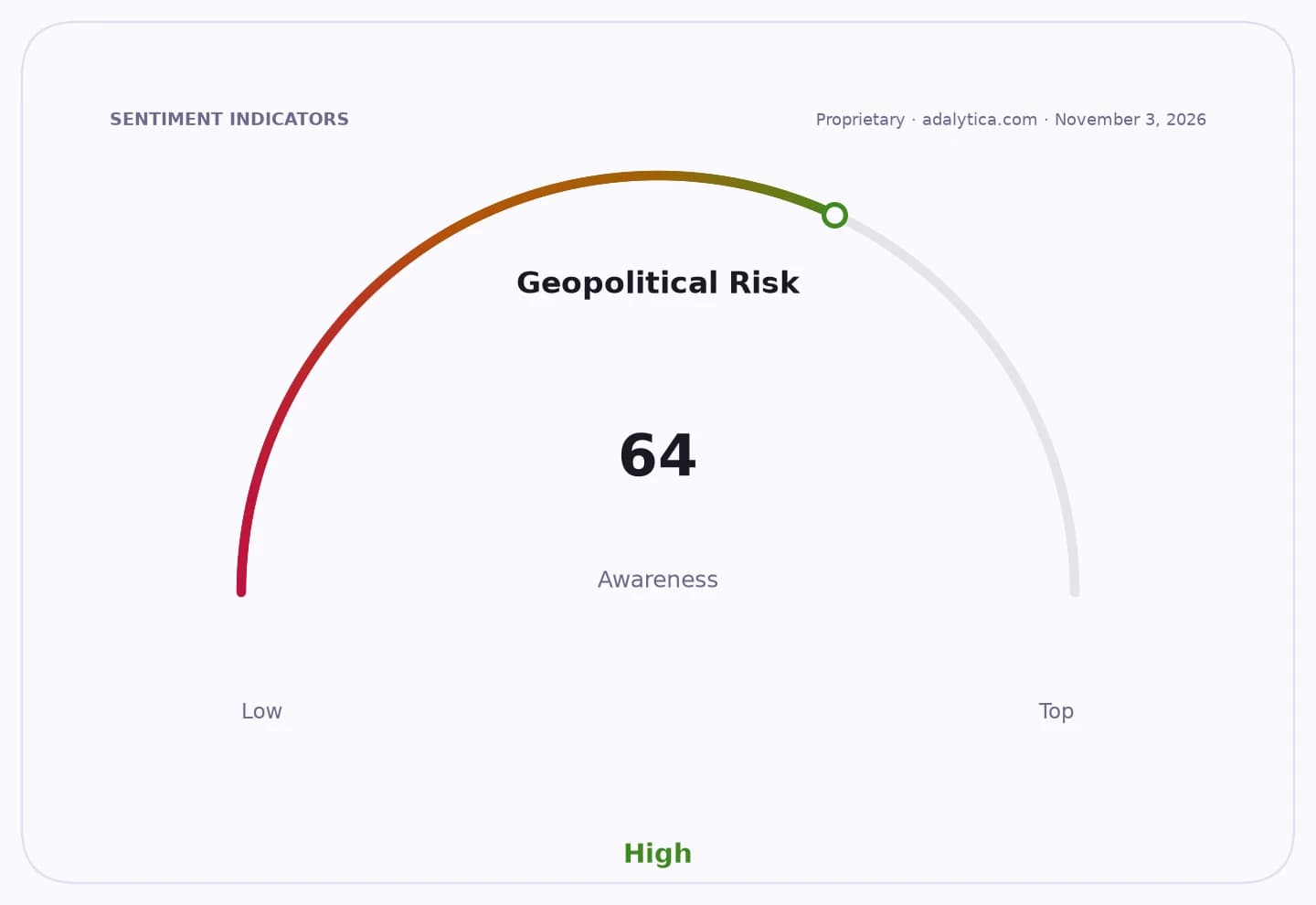
Sentiment Indicators
Polish Zloty
That matters because the project was never just about soldiers. A permanent US installation would have triggered demand for roads, housing, schools, fuel systems, training grounds and logistics hubs, creating a rare defense-led capex cycle in a country already trying to expand its military footprint. Estimates cited in Polish media put the core base at about 3 billion zloty, while broader infrastructure could lift the total to roughly 15 billion zloty. For contractors, materials suppliers and local infrastructure firms, that was a real second-order opportunity. Without the base, that spending case weakens.
The market is already telegraphing the strain. Polish defense-related equities have been volatile, and PL shares, which had surged earlier in the year, are now deep below their 50-day and 200-day moving averages after a sharp late-year selloff. DB shares have held up better, but the broader message is the same: investors are reassessing how much geopolitical premium to price into Central European assets as the region’s security architecture depends less on rhetoric and more on Washington’s political cycle.
The currency signal is even more telling. Adalytica’s Polish zloty trade snapshot shows “Extreme Fear,” with sentiment at 8 and a 7-day drop of 89 points, underscoring how quickly political and security uncertainty can spill into FX. Even if the military relationship with the US remains intact, a missed opportunity for a fixed base means less visibility for long-duration capital spending and less of the kind of anchor that markets typically reward with lower risk premiums.
For Poland, the strategic issue is now whether it can convert rotational deployments and broader NATO support into something more durable without betting on a single US president. For investors, that means watching not for the return of “Fort Trump,” but for where the next wave of defense and infrastructure spending gets redirected instead. The best positioning is in the picks-and-shovels names tied to Polish rearmament and logistics, not in assumptions that a permanent American base will be the catalyst.
| Entity | Gains | Losses |
|---|---|---|
| Polish defense contractors | ▲Reallocations to domestic spending | ▼Lost base-construction windfall |
| US military presence in Poland | ▲Rotational flexibility | ▼Permanent-anchor thesis |
| Polish infrastructure firms | ▲General defense capex | ▼15 bln zł base project |
| Polish zloty | ▲None | ▼Geopolitical risk premium |