Poland’s constitutional court is heading into a new phase of institutional confrontation after judges stripped suspended chief Bogdan Swieczkowski of immunity, opening the door to criminal prosecution but stopping short of allowing his arrest or detention.
Poland court strips Swieczkowski of immunity
The move matters because the court sits at the center of a broader struggle over the rule of law in Europe’s sixth-largest economy, where Prime Minister Donald Tusk’s coalition is trying to unwind reforms backed by the nationalist PiS and restore judicial independence. For investors, the dispute adds another layer of political uncertainty around policymaking, state institutions and Poland’s standing with the European Union.
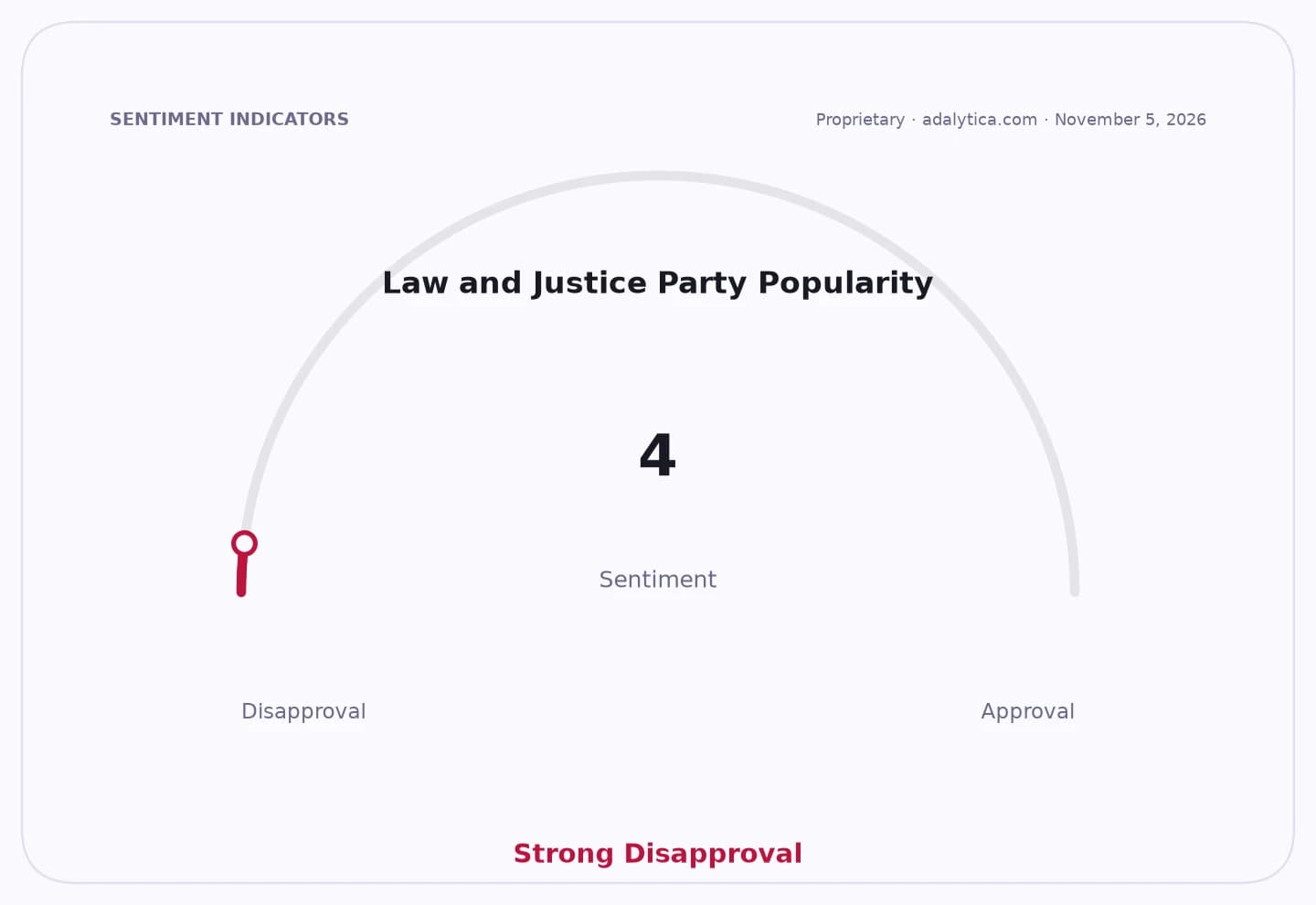
Sentiment Indicators
Swieczkowski, who denies wrongdoing, is accused by prosecutors of overstepping his authority and blocking lawmakers’ constitutional judges from working. Prosecutors said he could now face criminal proceedings after the judges’ assembly suspended his immunity, though it rejected requests for his arrest and pre-trial detention, leaving him free.
The confrontation has been building since the 2023 смена of government, when parliament backed by Tusk’s majority elected eight new constitutional judges. President Karol Nawrocki, who is aligned with PiS, swore in only three and refused to seat five others, preserving the advantage for judges appointed under the previous government.
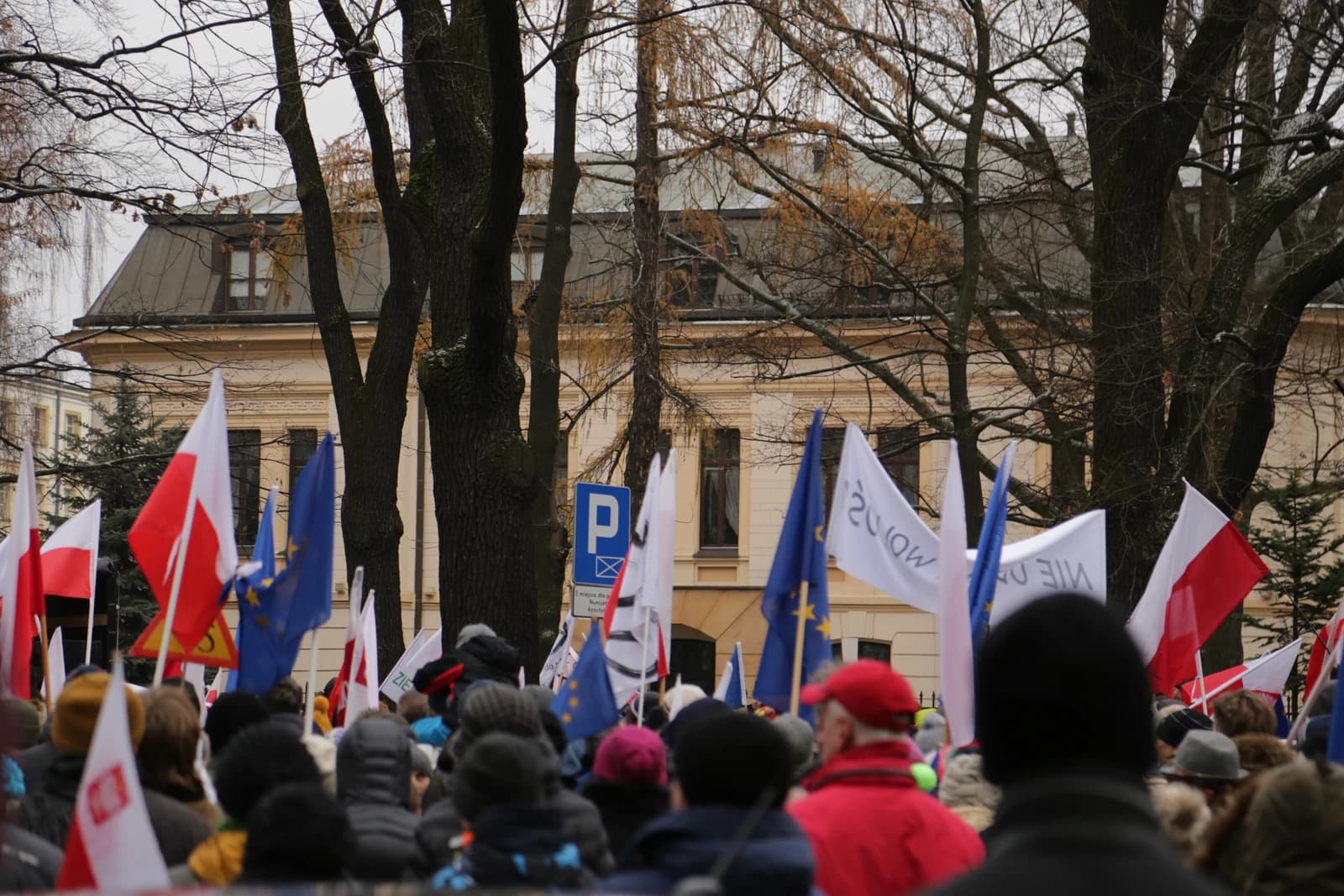
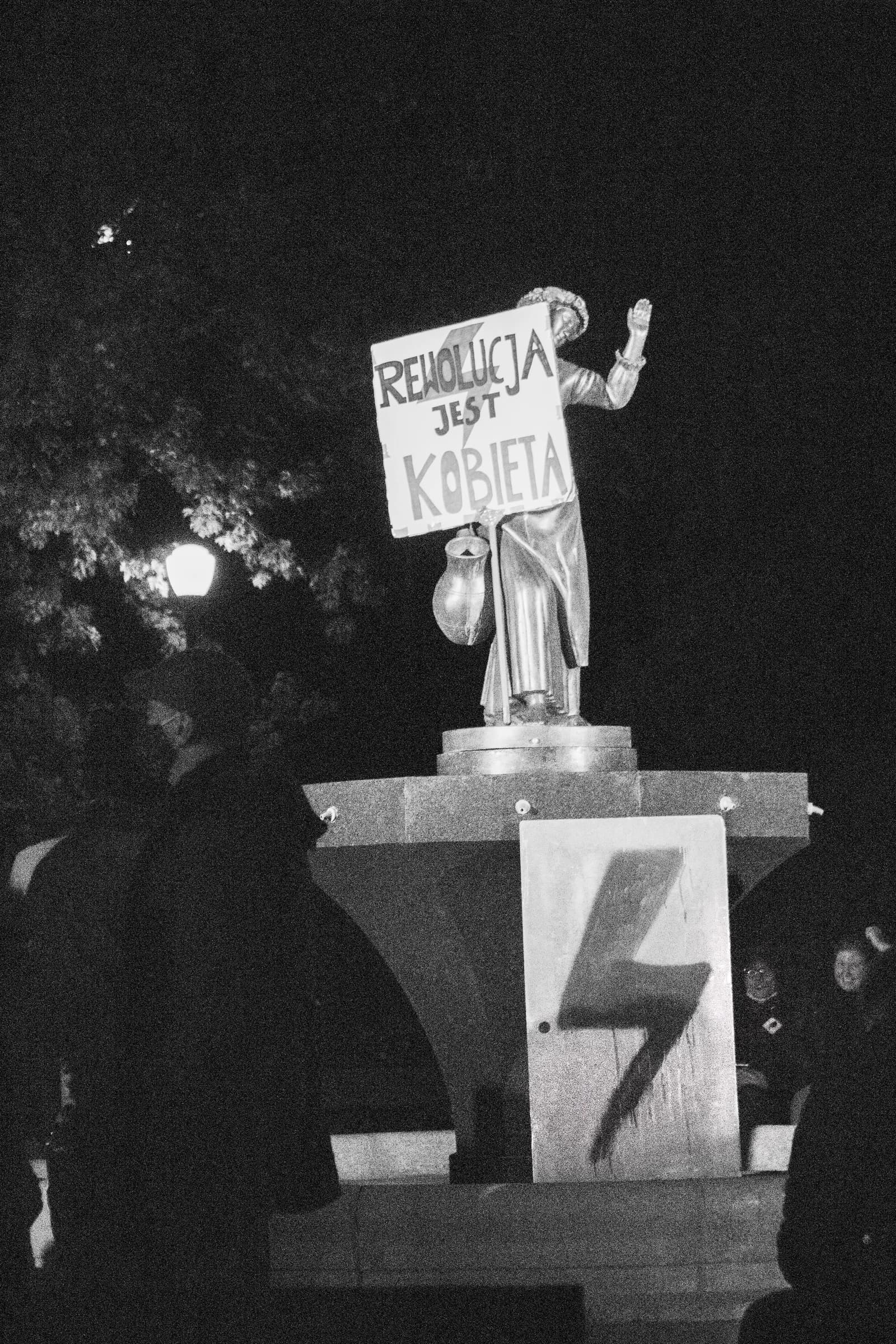
That standoff escalated in late October when the newly elected judges declared Swieczkowski suspended and installed Anna Korwin-Piotrowska as acting head. Demonstrations and scuffles outside the court underscored how deeply politicized the institution has become, with Nawrocki physically forcing his way into the building earlier this month.
The European Court of Human Rights had already said in May that the new judges must be allowed to do their work, but the ruling has not resolved the underlying power struggle. With criminal proceedings now possible and the court leadership split, the fight over Poland’s judiciary is likely to remain a test of Tusk’s reform agenda and a fresh source of friction with the PiS-aligned presidency.
| Entity | Gains | Losses |
|---|---|---|
| Tusk government | ▲Leverage in rule-of-law push | ▼Faces continued institutional blockage |
| PiS-aligned camp | ▲Keeps influence over court turf battle | ▼Risk of legal exposure for Swieczkowski |
| Constitutional court reformers | ▲Immunity ruling boosts case for action | ▼Still barred from full control |
| Investors in Poland | ▲Potential clarity if dispute resolves | ▼Higher political and legal uncertainty |