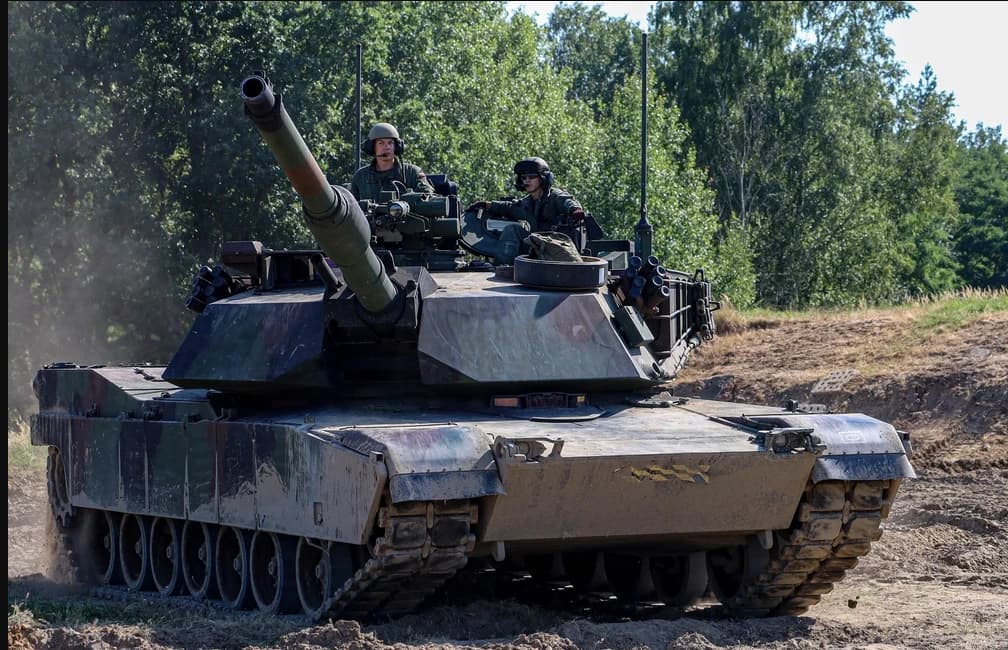
Poland’s push to build the largest army in Europe is becoming a meaningful demand shock for the defense industry, lifting prospects for missile makers, drone suppliers and ammunition producers while hardening the region’s security posture against Russia.
Poland defense buildup boosts European arms demand

The shift matters economically because Warsaw is not just buying more weapons, it is trying to rebuild military capacity at home. That raises industrial output, supports jobs and investment in Polish defense manufacturing, and channels more of Europe’s rearmament spending into domestic production rather than imported systems. It also increases pressure on the broader European Union and NATO to fund stockpiles, air defense and munitions at a time when supply chains remain stretched after the war in Ukraine.
Sentiment IndicatorsⓘProprietary · adalytica.com · September 1, 2026
This is a snapshot — live sentiment, awareness and momentum for 130+ markets update continuously in the dashboard.Open AlphaPulse

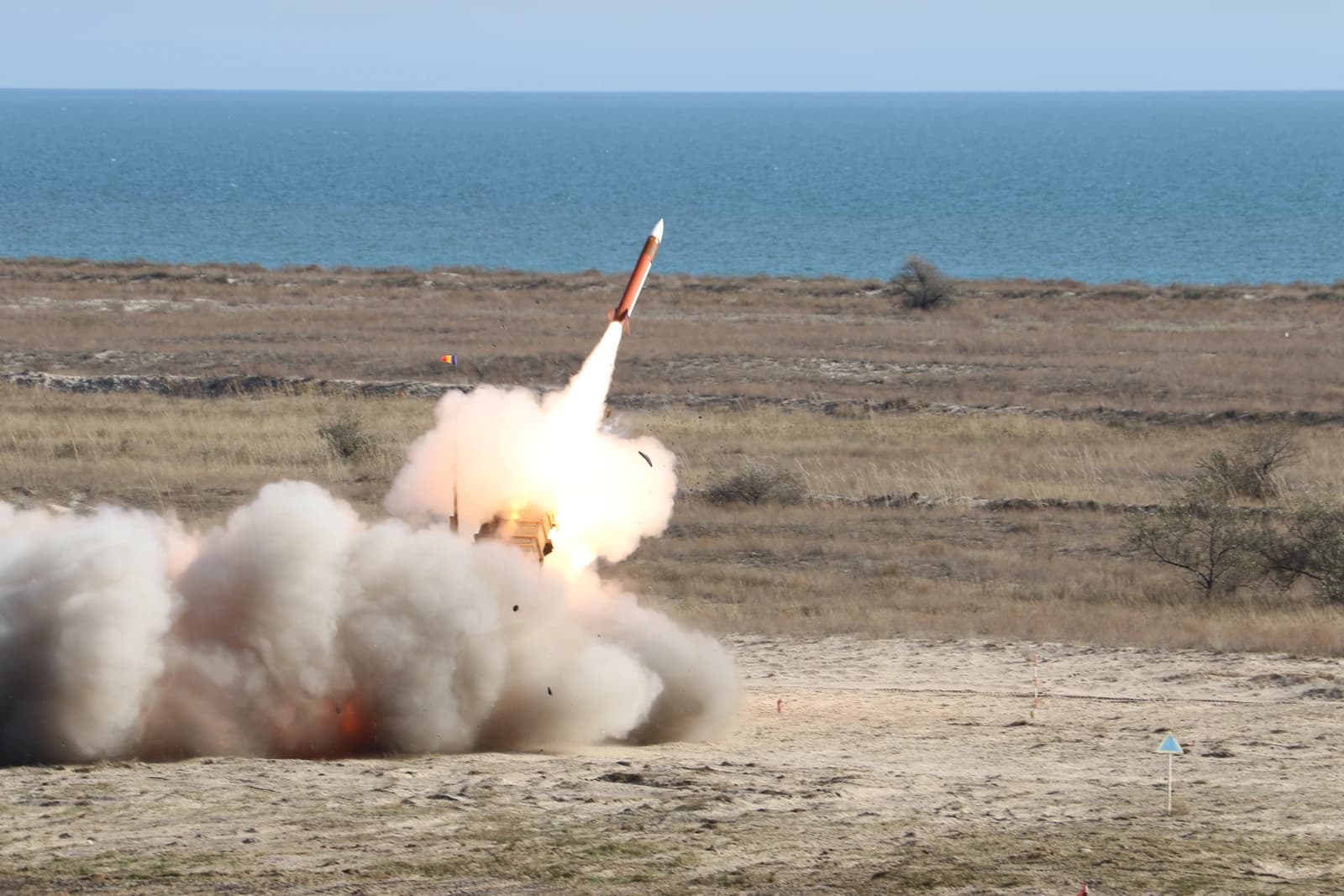
At the center of that effort is a historic contract for thousands of Polish-made Piorun air-defense systems, ordered by NATO allies Germany and the Netherlands — the largest deal of its kind. That is important beyond the headline value: it suggests Polish defense firms are moving from buyer to supplier inside Europe’s security architecture, a sign that localized production is gaining traction as governments seek faster delivery and greater strategic autonomy.
The financing backdrop is just as important. Poland is seeking more support from the EU’s SAFE defense program, underscoring that the rearmament drive will lean on public funding as much as private industry. For investors, that makes the story about budget durability as much as geopolitical urgency. If Brussels keeps loosening the fiscal and regulatory framework for defense procurement, the order pipeline for prime contractors and ammunition manufacturers should stay deep.
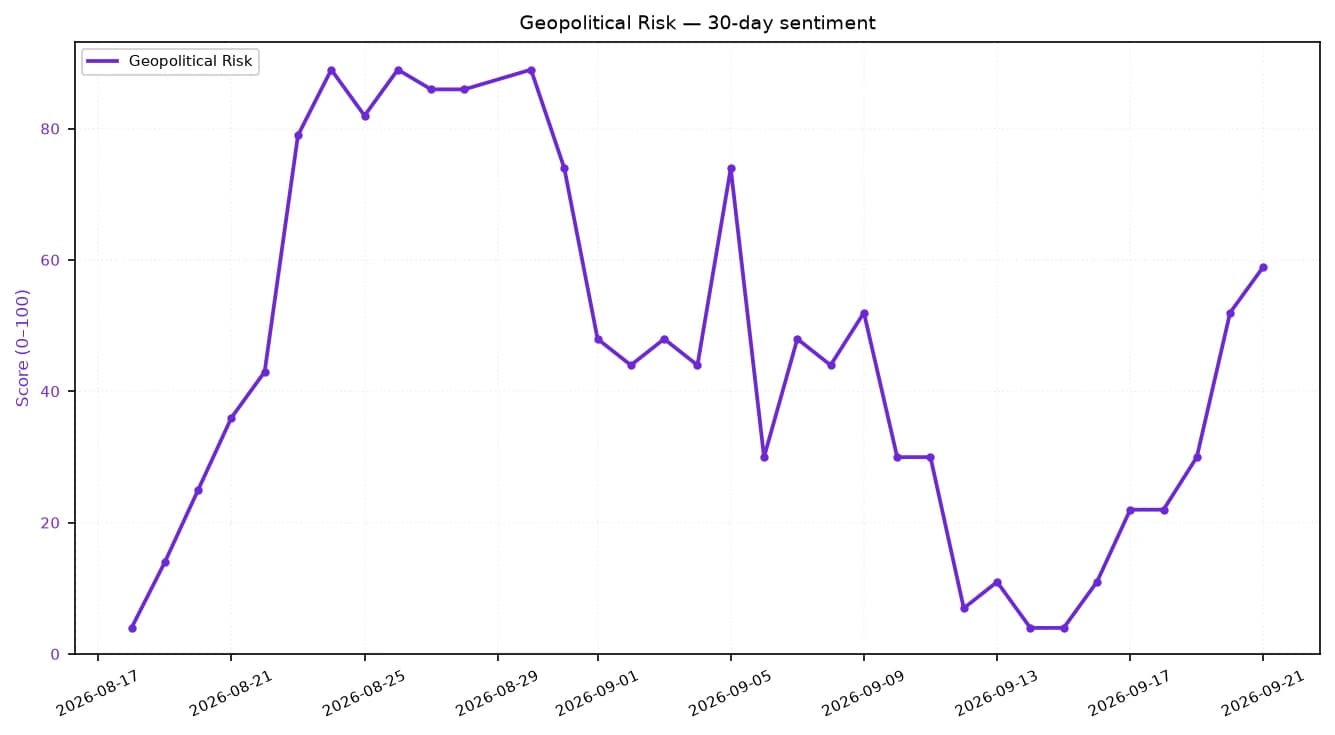
Geopolitical Risk vs LMTadalytica.com
Explore this data interactively — full history, time series and cross-market comparisons.Open AlphaPulse

The bull case for defense names is straightforward: Europe’s military spending cycle still looks early, and Poland’s buildup helps anchor demand for multi-year contracts, munitions replenishment and integrated air defense. That supports companies such as Lockheed Martin, RTX and Northrop Grumman, which are already benefiting from higher volumes and a backlog-rich environment, while European suppliers tied to missiles, drones and artillery stocks also gain.
The bear case is valuation and execution. Defense shares have already rerated sharply on the expectation of sustained rearmament, and the market will eventually demand proof that budgets turn into deliveries, margins and cash flow. Production bottlenecks, labor constraints and political shifts in Europe could slow the pace of spending.
For now, the message from Warsaw is that Europe’s defense cycle is not easing — it is broadening. Poland’s militarization is turning security anxiety into industrial policy, and investors should treat that as a structural support for defense demand, not a temporary spike.
| Entity | Gains | Losses |
|---|---|---|
| Polish defense firms | ▲Export orders; domestic production | ▼Capacity strain |
| RTX, LMT, NOC | ▲Backlog growth; higher defense spending | ▼Valuation risk |
| NATO / EU | ▲Stronger eastern flank; local supply chain | ▼Higher fiscal burden |
| Russia | ▲— | ▼More fortified border; tougher deterrence |