Cheaper fuel in Poland should cool inflation over the next few months, but the benefit may prove temporary, with economists warning that the price effect could reverse early next year if oil stays elevated and the tax relief is not extended.
Poland fuel tax cut may ease inflation
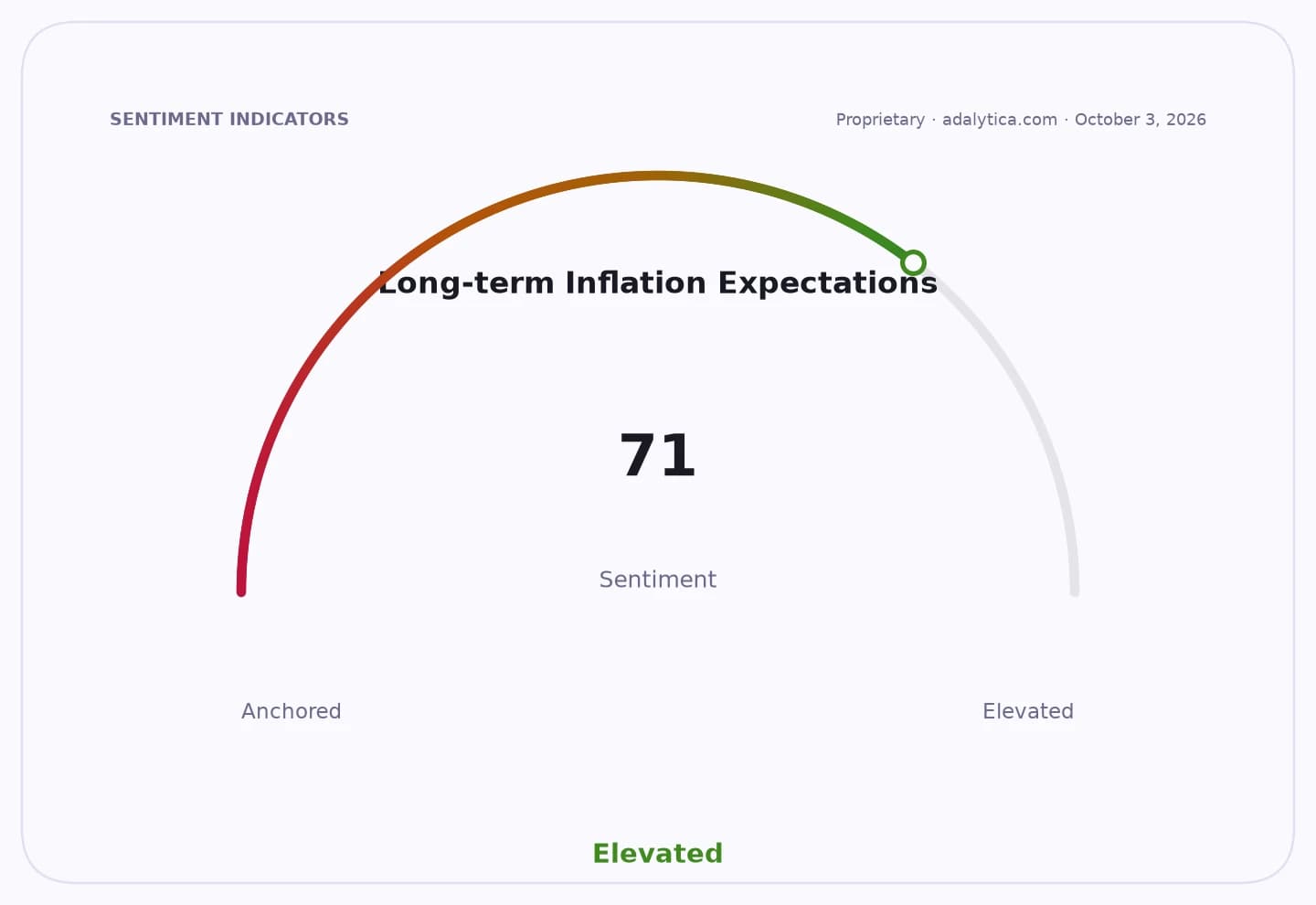
That makes the move more than a consumer giveaway: it is now a key macro lever. President Karol Nawrocki has cleared a lower VAT and excise package on fuel from Oct. 3 through the end of 2026, trimming pump prices by an estimated 1.2 zlotys a liter for gasoline and 1.3 zlotys for diesel. With headline inflation already back above the National Bank of Poland’s target band, the policy could buy the central bank time and reduce the odds of an early rate hike.
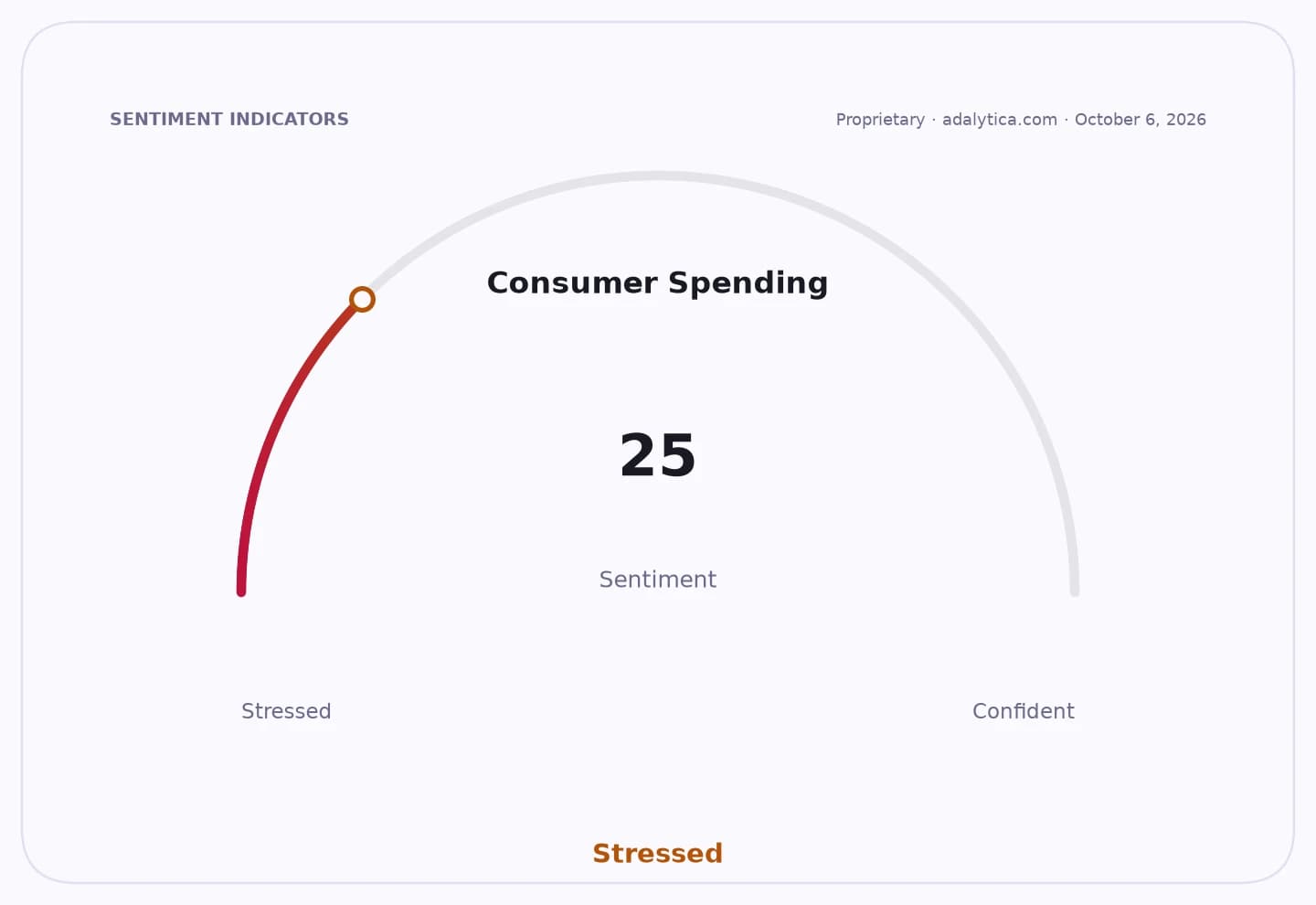
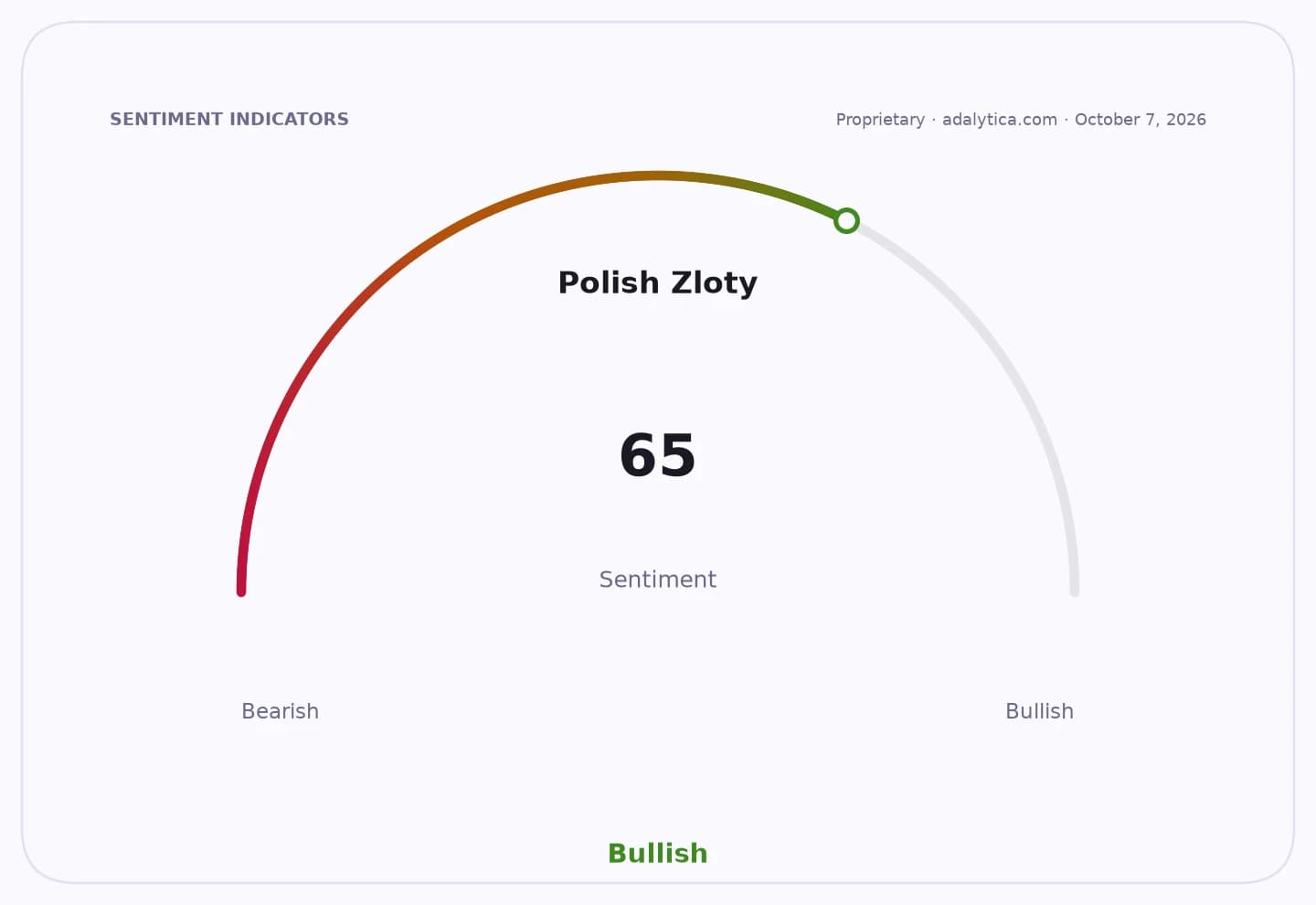
Sentiment IndicatorsⓘProprietary · adalytica.com · October 3, 2026
This is a snapshot — live sentiment, awareness and momentum for 130+ markets update continuously in the dashboard.Open AlphaPulse
The timing matters. Poland’s preliminary September CPI rose 4% year on year, the third straight month of faster price growth and the first reading above the NBP’s upper target since June last year. Fuel has been one of the main drivers of that move, feeding transport costs, deliveries and business expenses. By lowering pump prices, the government is not just easing pressure on households; it is trying to interrupt second-round inflation effects that can spread through the broader economy.
For the central bank, that is the immediate market implication. PKO BP chief economist Piotr Bujak said the new fuel package should push October inflation clearly below 4%, instead of the 4.2%-4.3% many had expected, and keep it below that threshold through year-end. His view is that weaker inflation, a softening labor market and only a 3% minimum-wage increase argue against a “premature” rate hike. mBank economist Jakub Rybacki also sees inflation easing toward 3.5% later this year, though he says the picture changes if the tax relief remains in place only temporarily.
That is where the real risk sits for investors. If the package lapses as scheduled, inflation could jump back to around 5% at the start of 2027, or roughly 4% if the relief is extended. That means the current disinflation story could give way to a fresh price spike just as policymakers are deciding whether they can keep rates steady. In other words, the market is looking at a short-term inflation reprieve, not a clean victory over price pressures.
Oil remains the wildcard. Brent and WTI volatility is still feeding directly into local fuel pricing, and economists warned that a further rise in crude could reignite broader inflation through food, industrial goods and transport. That would not necessarily recreate the 2022 price shock, but it would be enough to keep rate-cut hopes muted and leave the NBP on guard.
For investors, the message is straightforward: this is a margin-positive story for Polish consumers, retailers and transport-heavy businesses in the near term, but it is not a durable disinflation regime unless oil cools and the tax break is prolonged. Bond traders should watch the next inflation prints closely, because the policy may delay tightening rather than eliminate it. Energy markets, meanwhile, remain the swing factor — and if crude stays firm, the next move for Poland’s inflation could be back up, not down.
| Entity | Gains | Losses |
|---|---|---|
| Polish consumers | ▲Lower pump prices | ▼Less disposable-income pressure later |
| Transport, retail and logistics firms | ▲Softer input costs | ▼Repricing risk if relief ends |
| National Bank of Poland | ▲More time before hiking rates | ▼Less room if inflation re-accelerates |
| Oil producers / fuel sellers | ▲Higher demand support | ▼Smaller tax-driven margins at the pump |