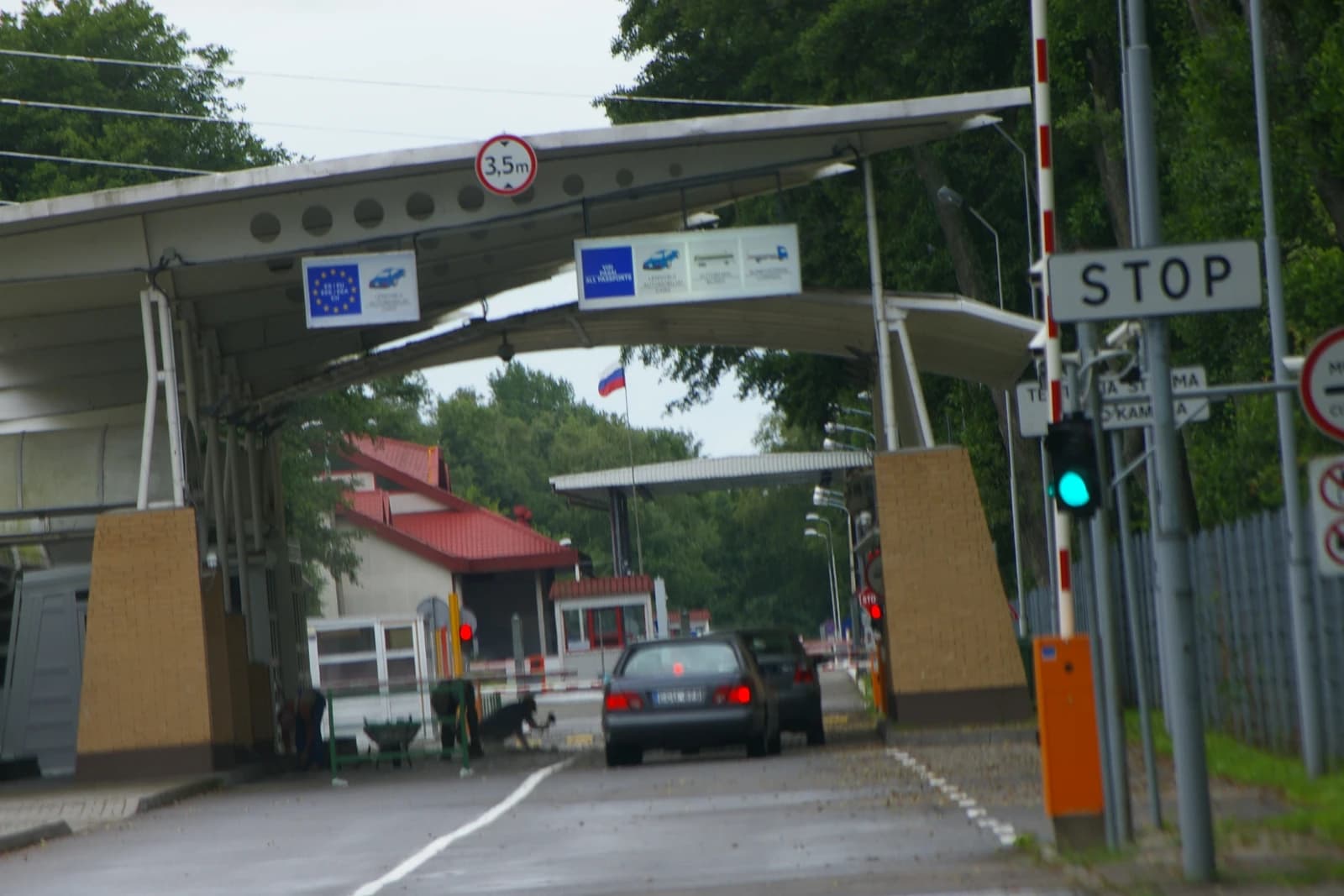
Poland scrambled military aircraft and briefly halted operations at airports in Lublin and Rzeszow after Russia launched another overnight air attack on Ukraine, underscoring how the war continues to disrupt civilian and transport infrastructure beyond Ukraine’s borders.
Poland Halts Lublin and Rzeszow Flights After Attack
Warsaw said there was no violation of Polish airspace, but the alert shows how close to NATO territory the conflict remains and why investors continue to treat every escalation in eastern Europe as a potential energy, defense and risk-premium event. The RCB emergency system sent SMS warnings to residents in the Lublin and Podkarpacie regions, telling them to seek shelter as the Russian strike unfolded.
Sentiment IndicatorsⓘProprietary · adalytica.com · October 10, 2026
This is a snapshot — live sentiment, awareness and momentum for 130+ markets update continuously in the dashboard.Open AlphaPulse
Poland’s Operational Command said air force activity in Polish airspace ended before midnight and that ground-based air defense and radar systems returned to standard operations. The Polish Air Navigation Services Agency said Lublin and Rzeszow had temporarily suspended traffic to allow military aircraft to operate, then resumed flights after midnight.
The episode matters economically because renewed cross-border security alarms can raise insurance, logistics and aviation disruption risks across the region even when no breach occurs. It also reinforces the premium on defense spending and readiness in frontline NATO states, while keeping pressure on European policymakers to maintain support for Kyiv.
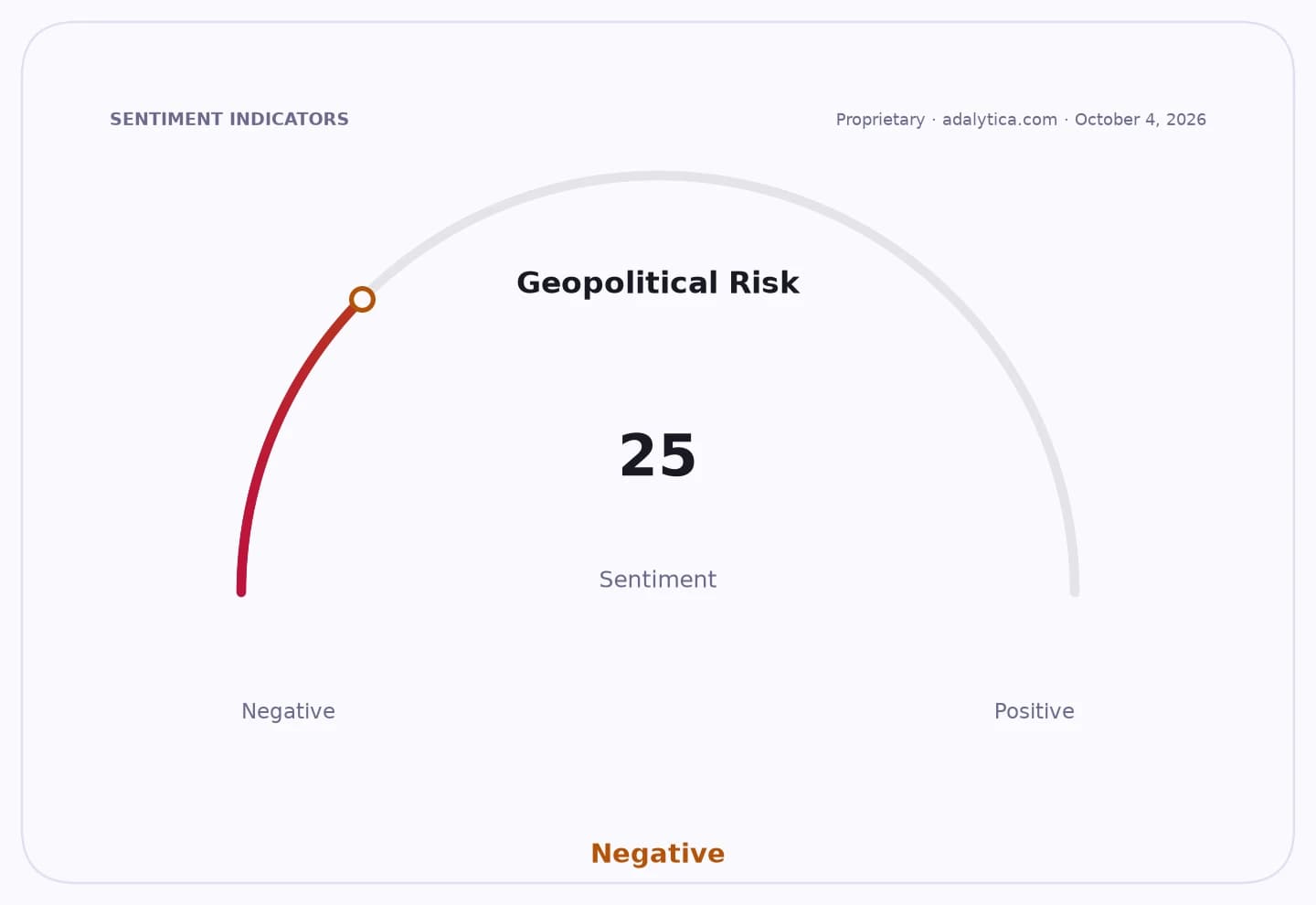
Geopolitical Risk — 30-day sentimentadalytica.com
Explore this data interactively — full history, time series and cross-market comparisons.Open AlphaPulse
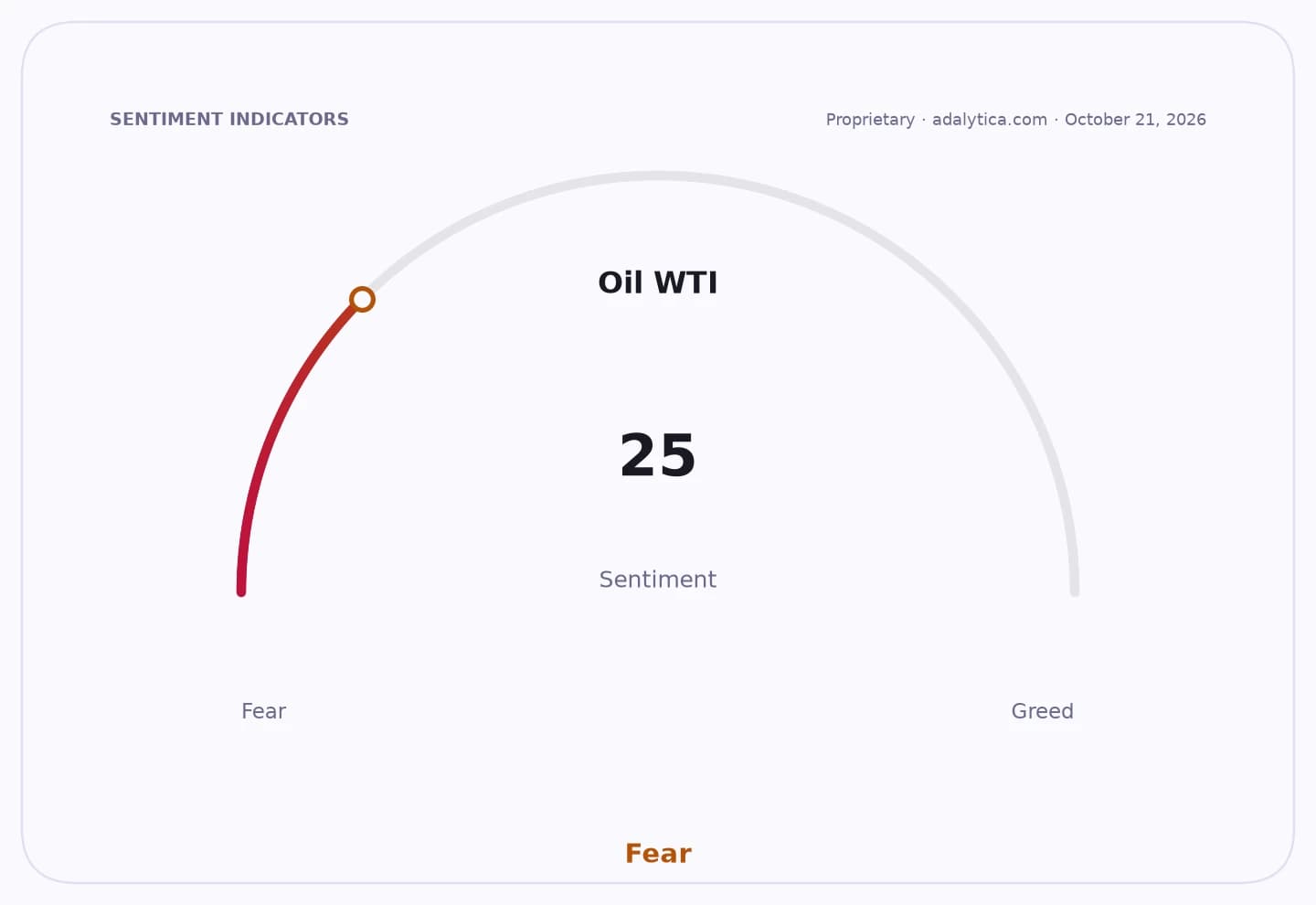
For investors, the immediate market read-through is usually stronger demand for defense names, support for oil and gold in risk-off bursts, and renewed attention to Eastern European supply-chain exposure. The latest alert comes as oil sentiment, tracked by Adalytica.com’s Oil WTI Trade Signals, remains neutral but has improved over the past week, while gold’s fear-and-greed gauge shows a jump in awareness even though its sentiment reading stays neutral.
USO, which tracks U.S. oil prices, was last at $148.20, well above its 50-day moving average of $139.16 and 200-day average of $117.12, while GLD traded at $384.58, still below its 50-day average of $397.03 and 200-day average of $415.65. Gold’s RSI at 37.9 suggests it is off recent highs, but the renewed geopolitical backdrop could keep safe-haven flows in play if attacks intensify or spill closer to NATO territory.
The key near-term risk for markets is whether Russia’s strikes keep forcing airspace precautions in Poland and neighboring states, or whether the situation stays contained to short-lived alerts. Any further escalation would likely keep traders focused on energy, defense and haven assets, as well as the broader stability of Europe’s eastern flank.
| Entity | Gains | Losses |
|---|---|---|
| Defense contractors | ▲Higher demand | ▼None immediate |
| Oil and gold buyers | ▲Safe-haven support | ▼Volatility risk |
| Polish airports | ▲Faster reopening | ▼Temporary disruption |
| Travelers and logistics firms | ▲None immediate | ▼Flight delays |