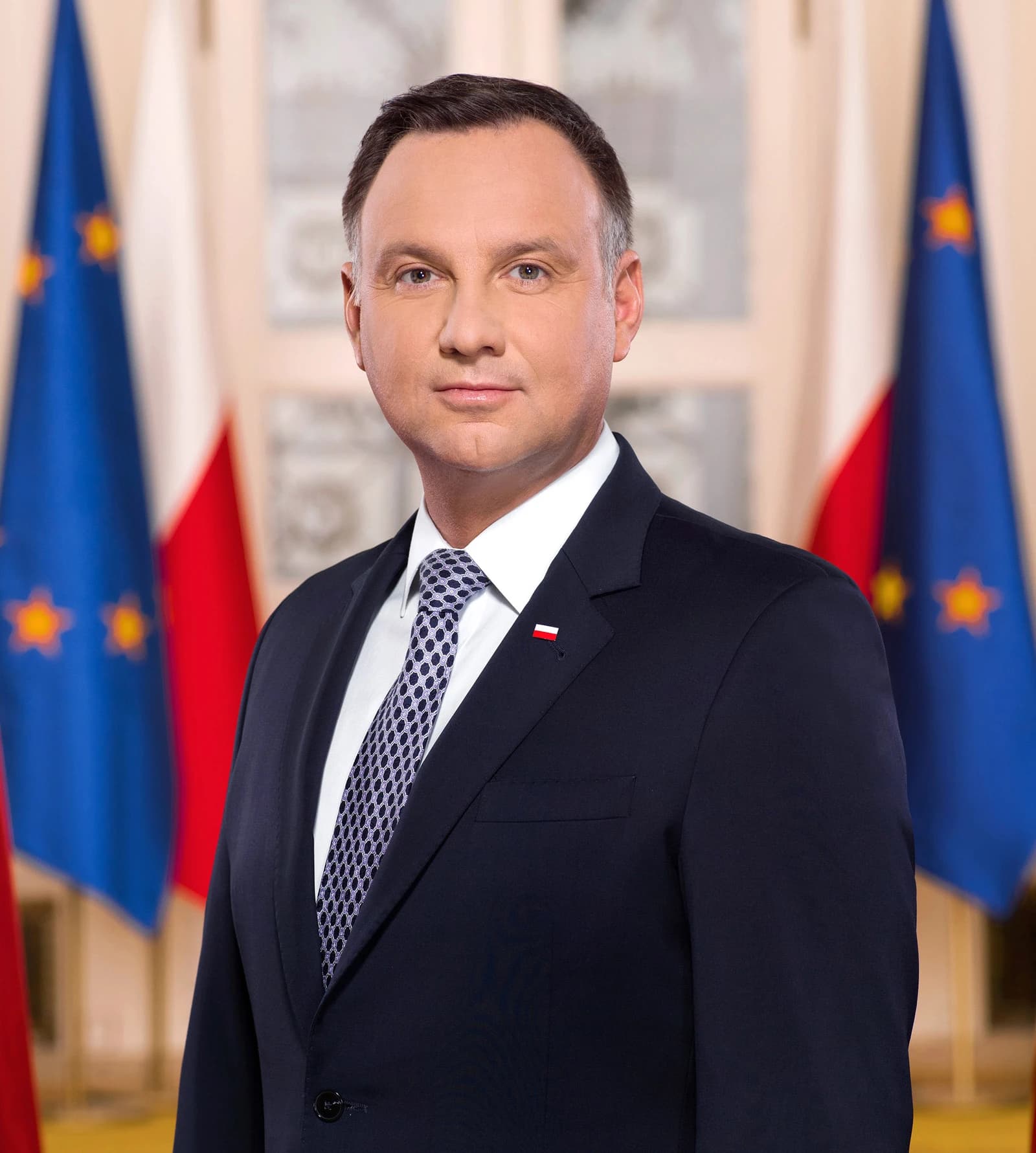
Poland’s President Karol Nawrocki has expanded the presidential office’s economic and technology footprint by appointing Justyna Orłowska as ambassador and special representative for innovation and new technologies, a move that signals a stronger push to court U.S. business and advanced industry ties at a time of heightened regional risk and fierce competition for capital.
Poland Names Orłowska to Innovation Envoy Role
The appointment matters because it gives the presidency a dedicated channel into one of the economy’s most strategic growth areas: digital infrastructure, GovTech and other advanced technologies. Orłowska is being tasked with building strategic business relations with the United States, where Poland is seeking deeper commercial links, more technology transfer and broader access to capital and expertise. Nawrocki’s emphasis on her experience in GovTech and familiarity with the U.S. market suggests the office wants to move beyond symbolic support for innovation and toward a more hands-on industrial policy agenda.
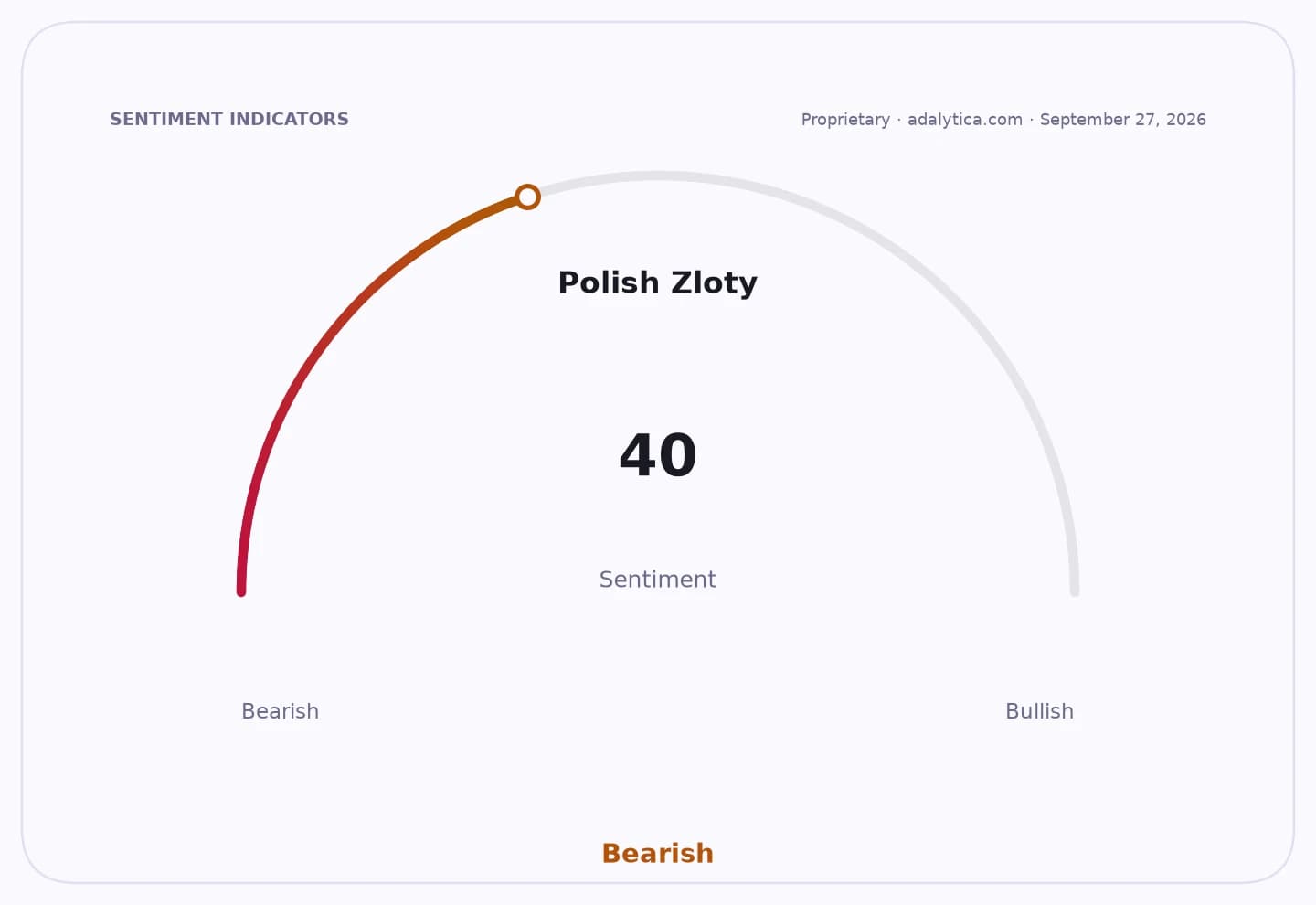
Sentiment IndicatorsⓘProprietary · adalytica.com · September 26, 2026
This is a snapshot — live sentiment, awareness and momentum for 130+ markets update continuously in the dashboard.Open AlphaPulse
The president also used the ceremony to broaden the presidential business network, naming two new members to the Business Council, Aleksander Hass and Przemysław Sęczkowski, while recognizing scientists and entrepreneurs linked to Poland’s innovation ecosystem. Among those honoured were Tomasz Czajka, Teresa Przytycka and Mati Staniszewski, co-founder of ElevenLabs, underscoring the administration’s attempt to align state prestige with companies and individuals associated with high-value, exportable technology.
For investors, the immediate significance is not a policy change in the formal sense, but a signal about where the presidency wants to direct influence. A more active presidential role in innovation and U.S. business outreach could help improve the tone around Poland’s tech sector, state-backed digital projects and cross-border commercial engagement. It also reflects an effort to position Poland as a more credible destination for advanced investment in an environment where security, supply-chain resilience and industrial sovereignty are increasingly intertwined.
That broader backdrop matters economically. Poland sits on the EU’s eastern flank, where defense spending, infrastructure resilience and technology modernization are all climbing the agenda as geopolitical tensions rise. In that setting, a presidential envoy focused on innovation can be read as part diplomacy, part economic statecraft: a way to link national security priorities with private-sector growth and transatlantic investment.
The bull case is that the changes strengthen Poland’s pitch to U.S. technology firms, investors and founders looking for a stable European base with government support. The bear case is that the initiative remains largely ceremonial unless it is backed by concrete regulatory, procurement or funding measures that convert ambition into projects. For now, the appointment and the Business Council reshuffle are most important as a marker of intent: the presidency wants a more direct role in shaping the country’s technology and business narrative.
| Entity | Gains | Losses |
|---|---|---|
| Justyna Orłowska | ▲Expanded presidential mandate | ▼Limited if role is symbolic |
| Polish tech sector | ▲Higher policy visibility | ▼No new funding yet |
| U.S. investors | ▲Easier political access | ▼Unclear execution risk |
| Existing council insiders | ▲Broader influence network | ▼Less exclusivity |