Poland has set out nine grounds for rejecting foreigners’ permanent residence applications, a move that puts security and immigration control at the center of a country already on edge over Russian covert activity and the wider war in Ukraine.
Poland tightens permanent residence rejection rules
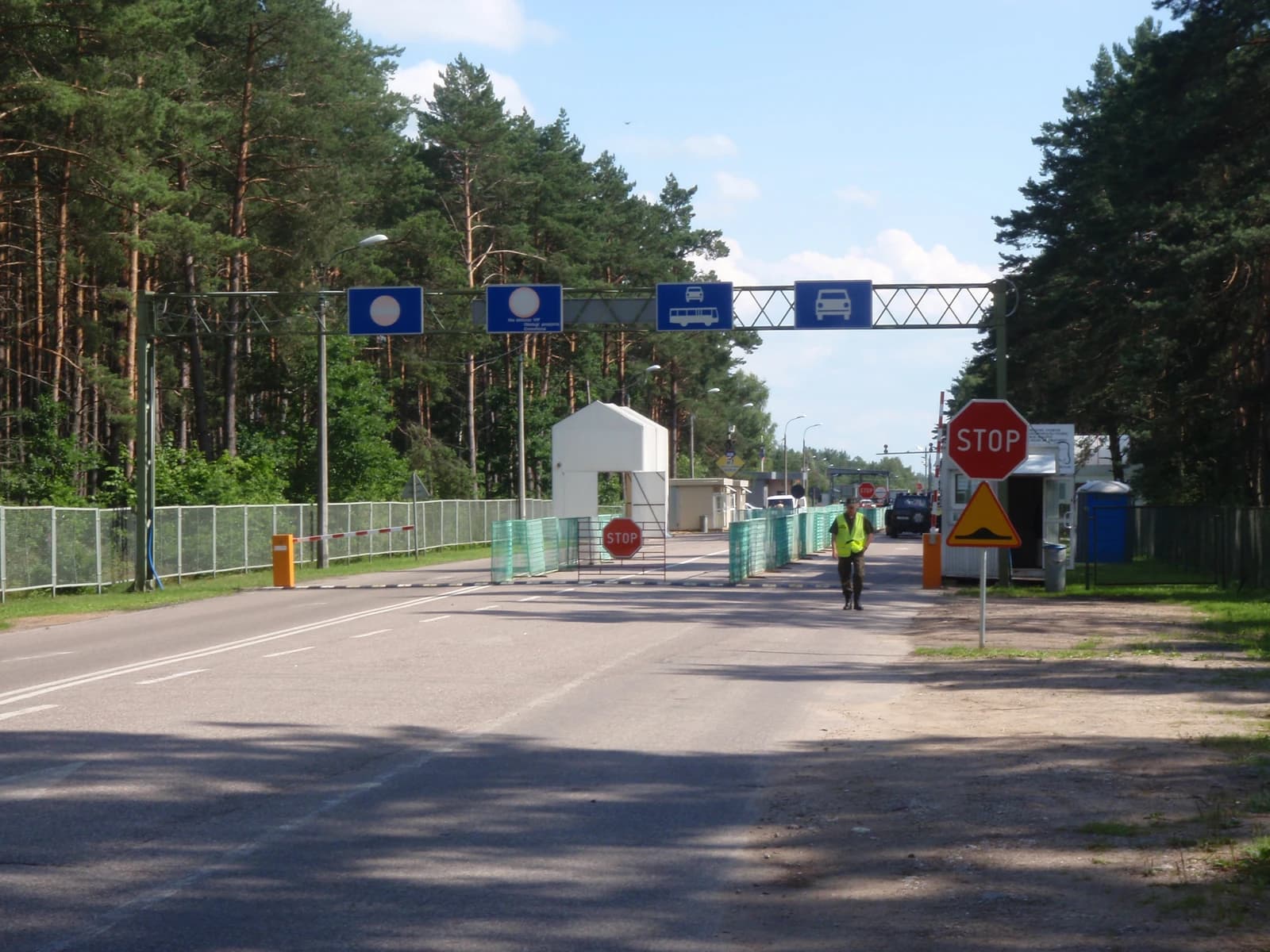
The change matters economically because permanent residency is a gatekeeper to labor supply, household formation and longer-term capital commitments. In a region where employers rely on migrant workers to fill gaps in construction, logistics, manufacturing and services, any tighter screening could slow applications, increase compliance costs and lengthen the time it takes foreign workers and entrepreneurs to put down roots.
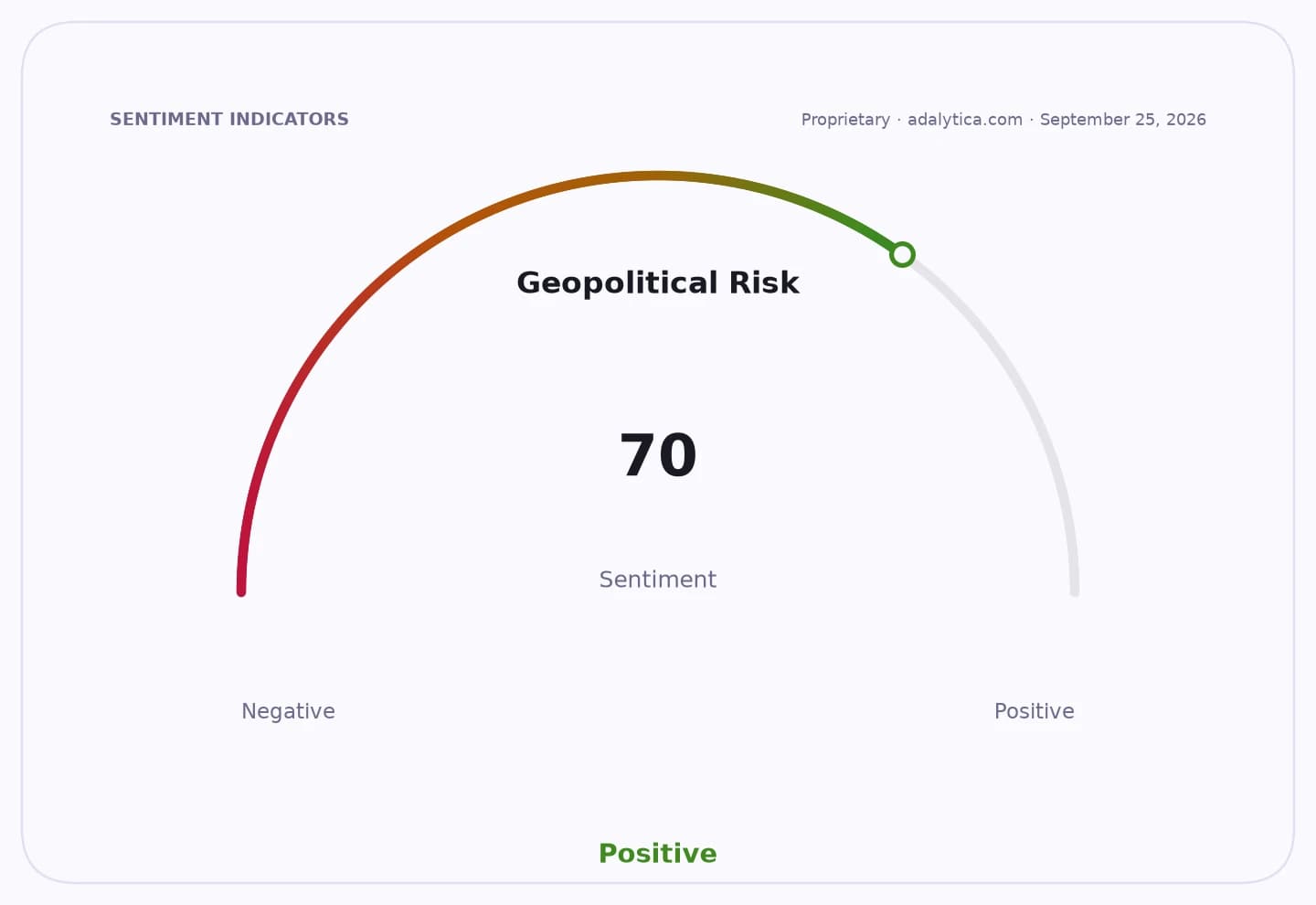
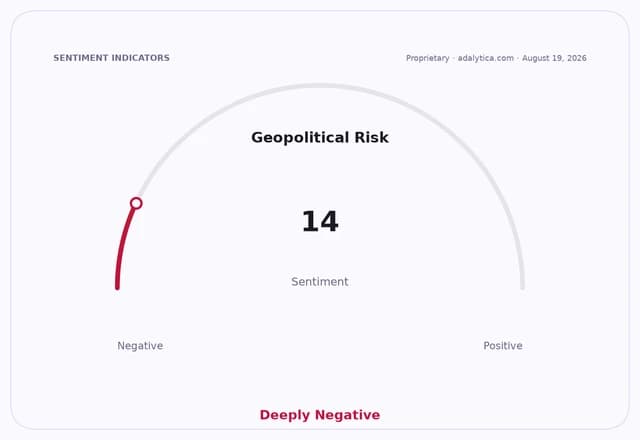
Sentiment IndicatorsⓘProprietary · adalytica.com · August 19, 2026
This is a snapshot — live sentiment, awareness and momentum for 130+ markets update continuously in the dashboard.Open AlphaPulse
The timing is equally important. Polish security services recently arrested a Russian citizen accused of planning to assassinate a Ukrainian-American in Warsaw, in what authorities said was an operation linked to Russian intelligence. That case has sharpened the political case for more aggressive vetting of foreigners and has reinforced the view that residency rules are now also a national-security tool, not just an administrative process.
For investors, the immediate market impact is likely to be limited, but the policy direction matters for any business exposed to Poland’s foreign labor pool and for property, staffing and consumer firms that benefit when migrants settle more permanently. Companies that depend on imported labor may face higher turnover if the path from temporary stay to permanent residence becomes less predictable, while service providers to expatriates and new arrivals could see demand shift toward legal and relocation support.
The broader backdrop is a Europe-wide tightening of migration policy as governments balance labor shortages against security concerns and political pressure. Poland has been among the frontline states most exposed to the fallout from Russia’s war in Ukraine, and its stance on residency is likely to remain influenced by both security incidents and the need to preserve social stability.
Adalytica’s Global Stability Sentiment gauge still points to extreme fear, underscoring how quickly geopolitical risk can spill into policy decisions that affect labor mobility and business planning. For investors, the key question is not whether Poland closes its doors, but whether a more restrictive environment starts to weigh on the country’s ability to attract and retain the foreign workers and residents that have helped support growth.
| Entity | Gains | Losses |
|---|---|---|
| Polish security services | ▲Wider screening powers | ▼Less administrative flexibility |
| Domestic workers | ▲Less labor competition | ▼Fewer labor inflows |
| Employers using migrant labor | ▲Security clarity | ▼Slower hiring pipeline |
| Foreign applicants | ▲More rule transparency | ▼Higher rejection risk |