Ukrainian refugees in Poland are facing a harder welcome just as the war looks set to drag on for years, creating a fresh risk for Europe’s largest host country and for the broader system that has kept millions of displaced Ukrainians in the region.
Poland Refugee Tensions Rise as EU Extends Protection to 2028
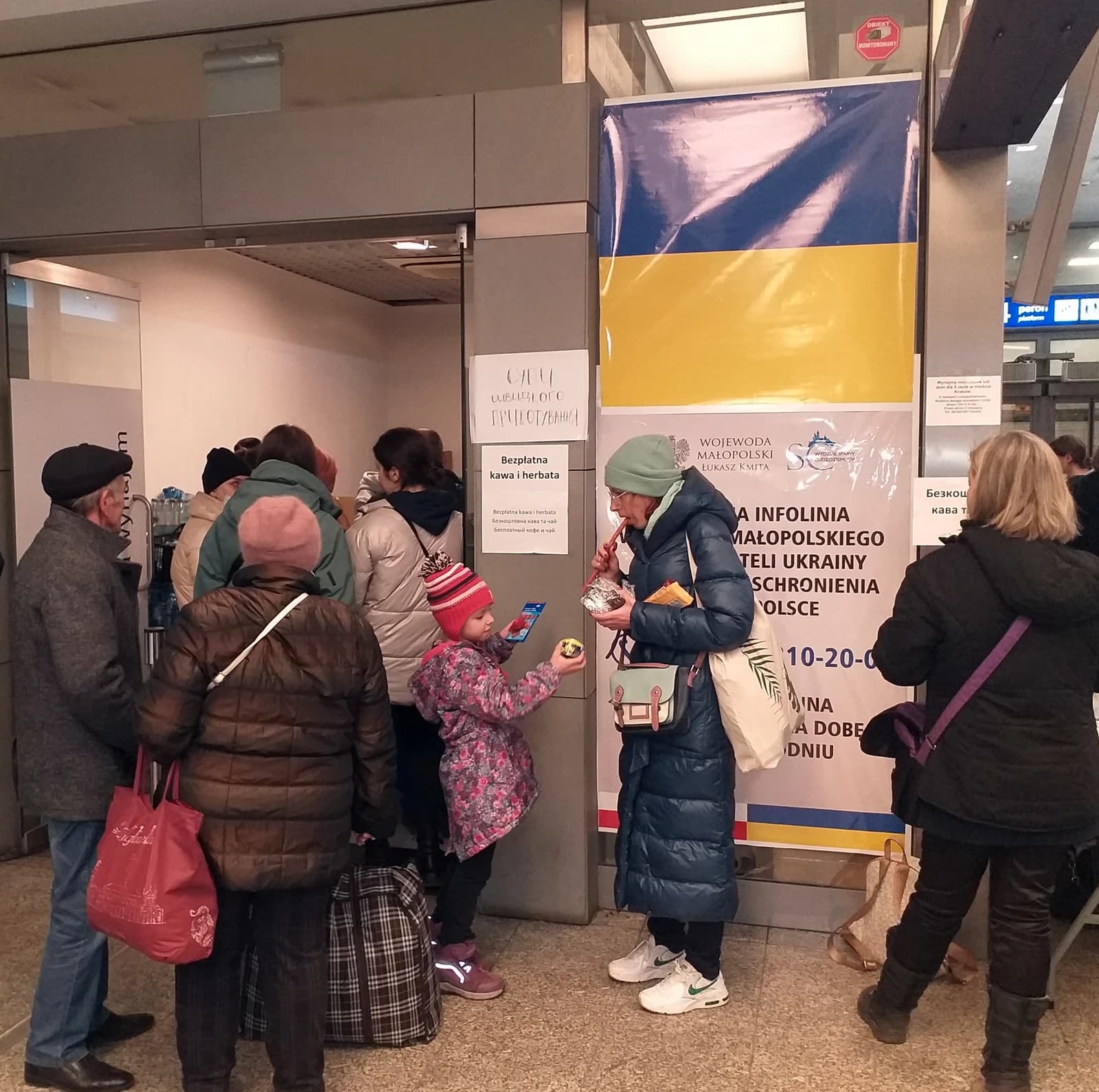
That matters because Poland has absorbed the biggest share of Ukrainian refugees since Russia’s invasion, making social stability there a key part of Europe’s wartime resilience. If hostility deepens, it could reshape labor supply, pressure local politics and complicate the European Union’s effort to manage a long-running displacement crisis without turning it into a permanent source of friction.
Sentiment IndicatorsⓘProprietary · adalytica.com · August 1, 2026
This is a snapshot — live sentiment, awareness and momentum for 130+ markets update continuously in the dashboard.Open AlphaPulse
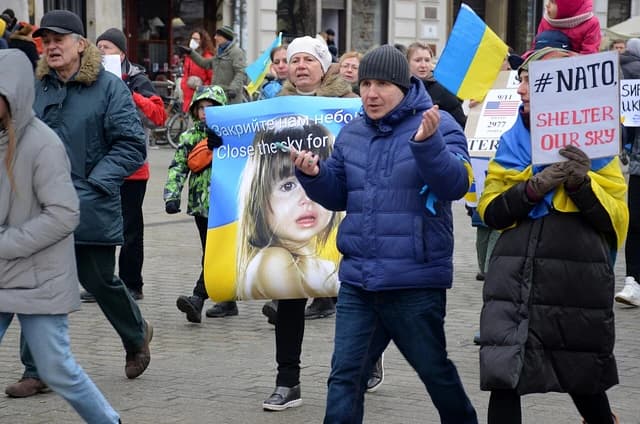
The European Union has extended temporary protection for Ukrainians until March 2028, but the policy shift does not erase the political problem on the ground. Reports of rising verbal and physical attacks in Poland point to a deterioration in public tolerance that could force Warsaw to tighten rules or step up security, even as it remains one of Kyiv’s most important allies. EU officials also excluded men of military age from the extension, underscoring how refugee policy is becoming more selective as governments try to balance humanitarian commitments with labor, security and domestic political pressures.
For investors, the immediate market impact is less about a direct trade and more about the second-order consequences of a prolonged conflict settlement. A more anxious Poland is another sign that Europe’s eastern flank remains structurally fragile, keeping defense spending elevated and reinforcing demand for border security, infrastructure and logistics. The sharp rise in geopolitical risk sentiment, as captured by Adalytica’s Global Stability gauge, suggests markets are pricing in a more volatile backdrop even as headline attention shifts elsewhere.
Currency and rates markets are already reflecting that stress. The euro has been chopping around 1.15 against the dollar, while Poland’s zloty remains vulnerable to any escalation in domestic tensions or a worsening security premium in the region. U.S. Treasury yields near 4.66% on the 10-year note show investors are still wrestling with a world in which geopolitical shocks can collide with sticky financing costs and uncertain growth.
The investable takeaway is that the refugee story is no longer only humanitarian; it is becoming part of Europe’s long-duration security trade. That keeps the case strong for defense contractors, border technology, logistics networks and selectively exposed Eastern European infrastructure names, while arguing for caution on assets that assume a quick normalization in the region. The market is still underestimating how much a tired host society can shape the next phase of the Ukraine war economy.
| Entity | Gains | Losses |
|---|---|---|
| Defense contractors | ▲Higher security budgets | ▼Less urgency if tensions ease |
| Border/security tech firms | ▲Tighter migration controls | ▼Softer policy enforcement |
| Poland’s government | ▲Leverage with EU allies | ▼Domestic political backlash |
| Ukrainian refugees in Poland | ▲EU legal protection | ▼Social hostility and attacks |