Poland said it thwarted a Russian attempt to attack a border checkpoint on Ukraine’s frontier, escalating concerns that Moscow is expanding its campaign against logistics links beyond Ukraine’s own territory and into the wider European border infrastructure.
Poland Says It Thwarted Russian Border Attack
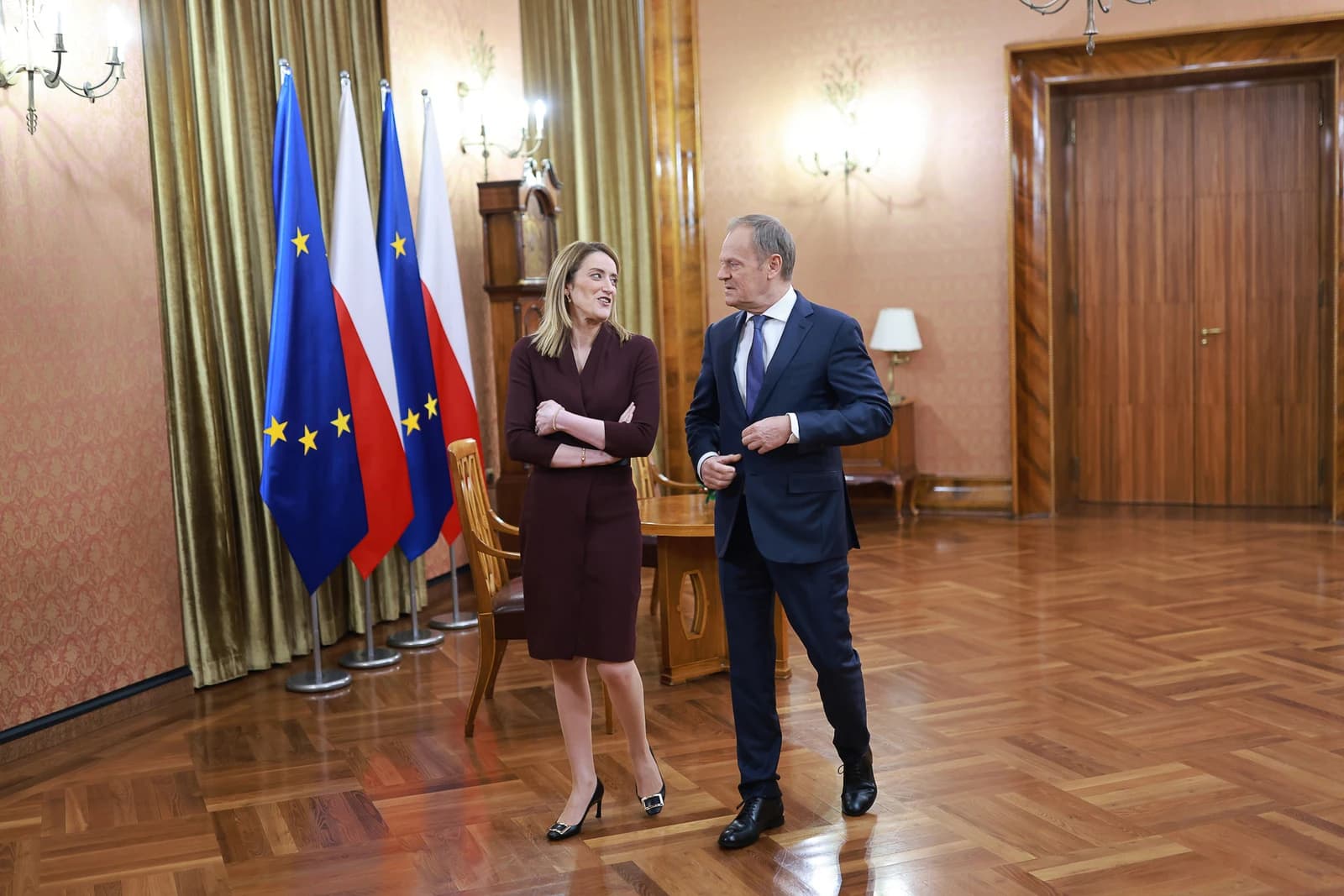
Prime Minister Donald Tusk said Polish and Ukrainian services disrupted the threat overnight, though he did not identify the crossing or describe the planned method. He said he expects further Russian strikes on border facilities and warned Europe to prepare for scenarios affecting the EU’s eastern flank, not just the fighting line inside Ukraine.
The warning matters economically because border crossings are critical to trade flows, aid shipments and the movement of people and goods between Ukraine and its neighbors. Russia has already struck crossings on Ukraine’s borders with Moldova and Romania in recent weeks, including damage to the Starokozache-Tudora checkpoint on Sept. 9 and earlier hits on Orlivka-Isaccea, Vinogradivka-Vulkenesti, Tabaki and another crossing on Aug. 20.
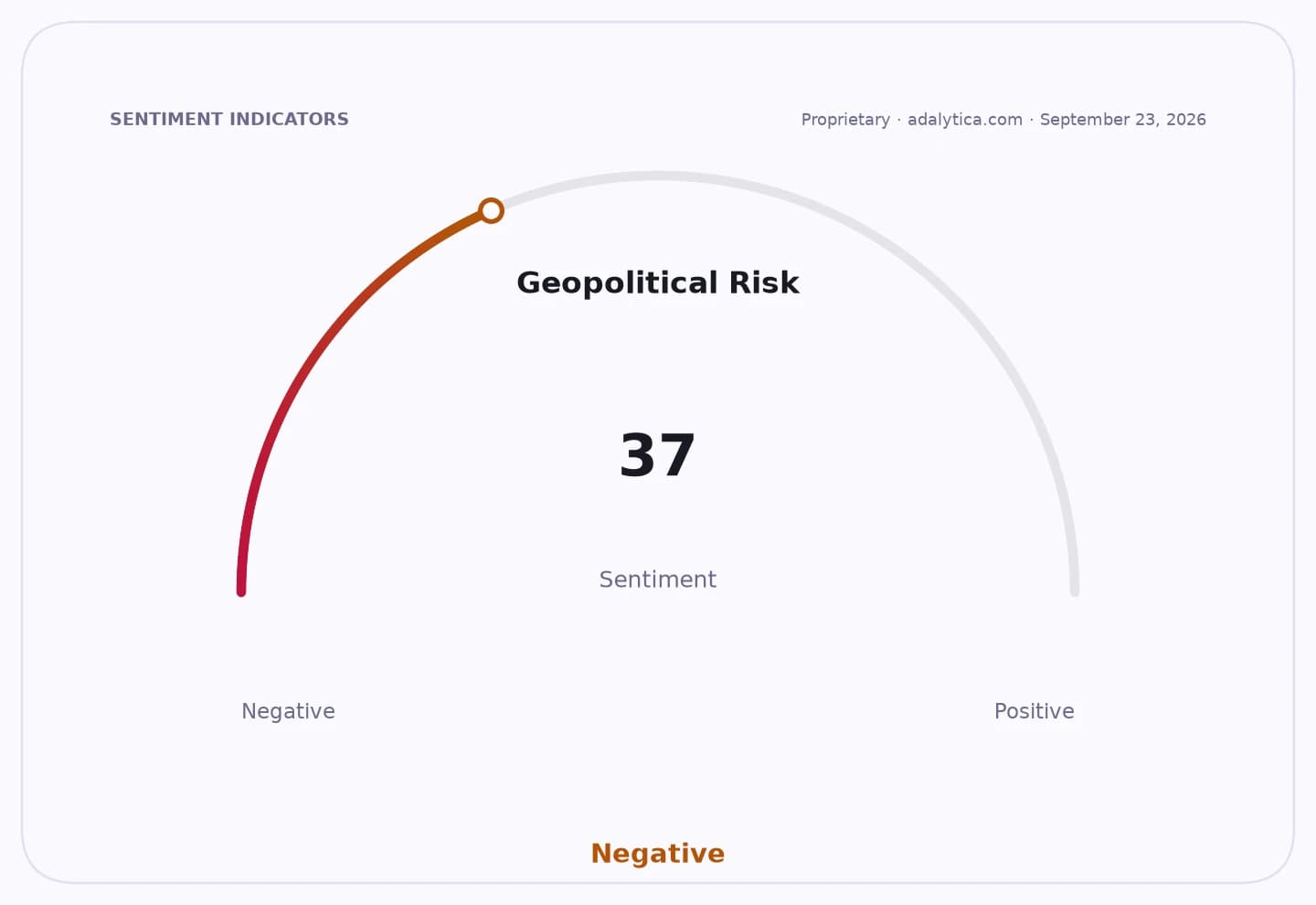
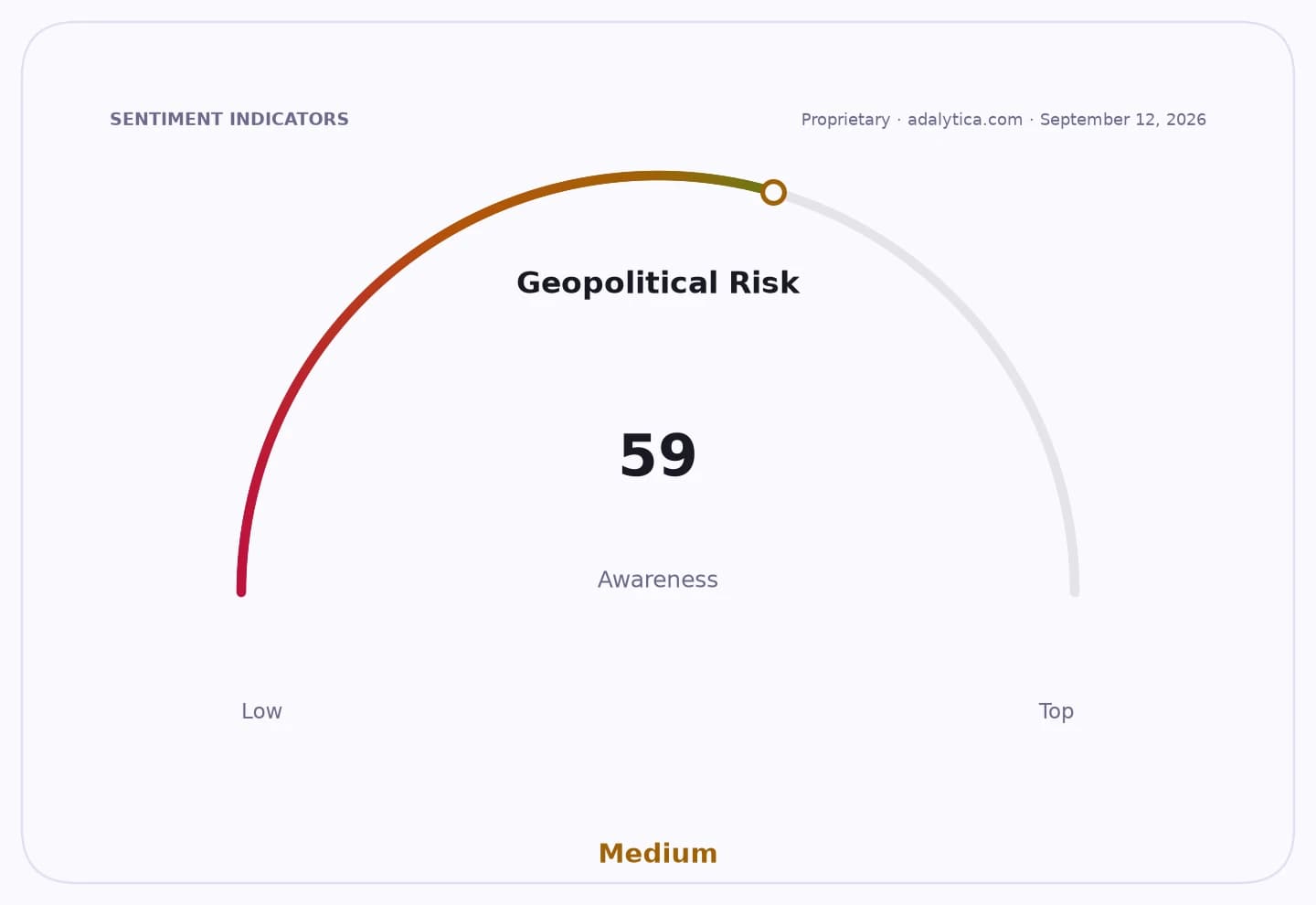
For investors, the immediate read-through is higher geopolitical risk for transport corridors, insurers and Eastern European assets. Any sustained disruption to border infrastructure can raise freight costs, delay deliveries and add pressure to supply chains tied to Ukraine, Poland and the broader Black Sea region.
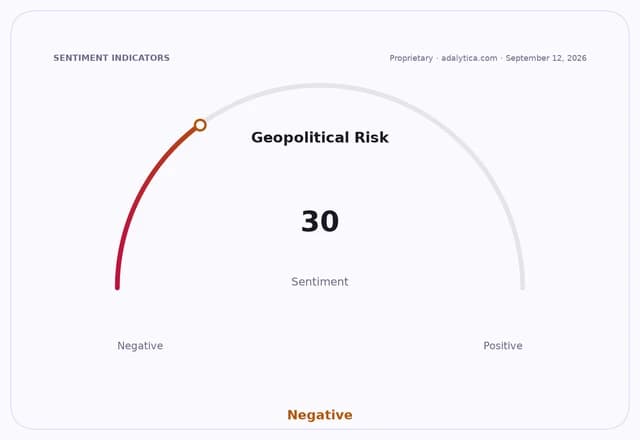
Geopolitical Risk — 30-day sentimentadalytica.com
Explore this data interactively — full history, time series and cross-market comparisons.Open AlphaPulse
The broader market backdrop remains fragile. Adalytica’s Global Stability Sentiment gauge sits in “Fear” at 30, down 15 points over the past week and 42 points over the past month, underscoring how quickly geopolitical shocks are feeding risk aversion even as investors weigh the possibility of wider spillovers.
Poland’s own equity exposure has been resilient so far. The iShares MSCI Poland ETF, ticker EPOL, recently traded at $45.56, above its 50-day moving average of $42.84 and 200-day average of $38.46, while Germany’s EWG ETF closed at $42.87, roughly flat near its 50-day average. The market is not yet pricing a full-blown regional disruption, but repeated attacks on border infrastructure could force a reassessment if they start to affect trade lanes or security spending.
The next catalyst is whether Russia follows through with more strikes on crossings outside Ukraine and whether Poland or NATO allies respond with tighter border defenses, which would deepen the geopolitical premium embedded in Central and Eastern European assets.
| Entity | Gains | Losses |
|---|---|---|
| Poland and Ukraine security services | ▲Disrupted attack | ▼Ongoing border threat |
| Russia | ▲Pressure on logistics routes | ▼Higher backlash risk |
| Ukrainian trade and transport links | ▲Protection if defenses hold | ▼Disruption if strikes expand |
| EPOL and Poland-linked assets | ▲Relative resilience | ▼Higher geopolitical premium |