Poland and Vietnam are deepening one of Europe’s most lopsided trade relationships, with bilateral commerce climbing to about $8.17 billion in 2025 as the EU-Vietnam free trade deal continues to funnel Asian exports into Poland while Warsaw tries to turn a historic partnership into a broader economic and geopolitical foothold.
Poland and Vietnam trade reaches $8.17 billion in 2025
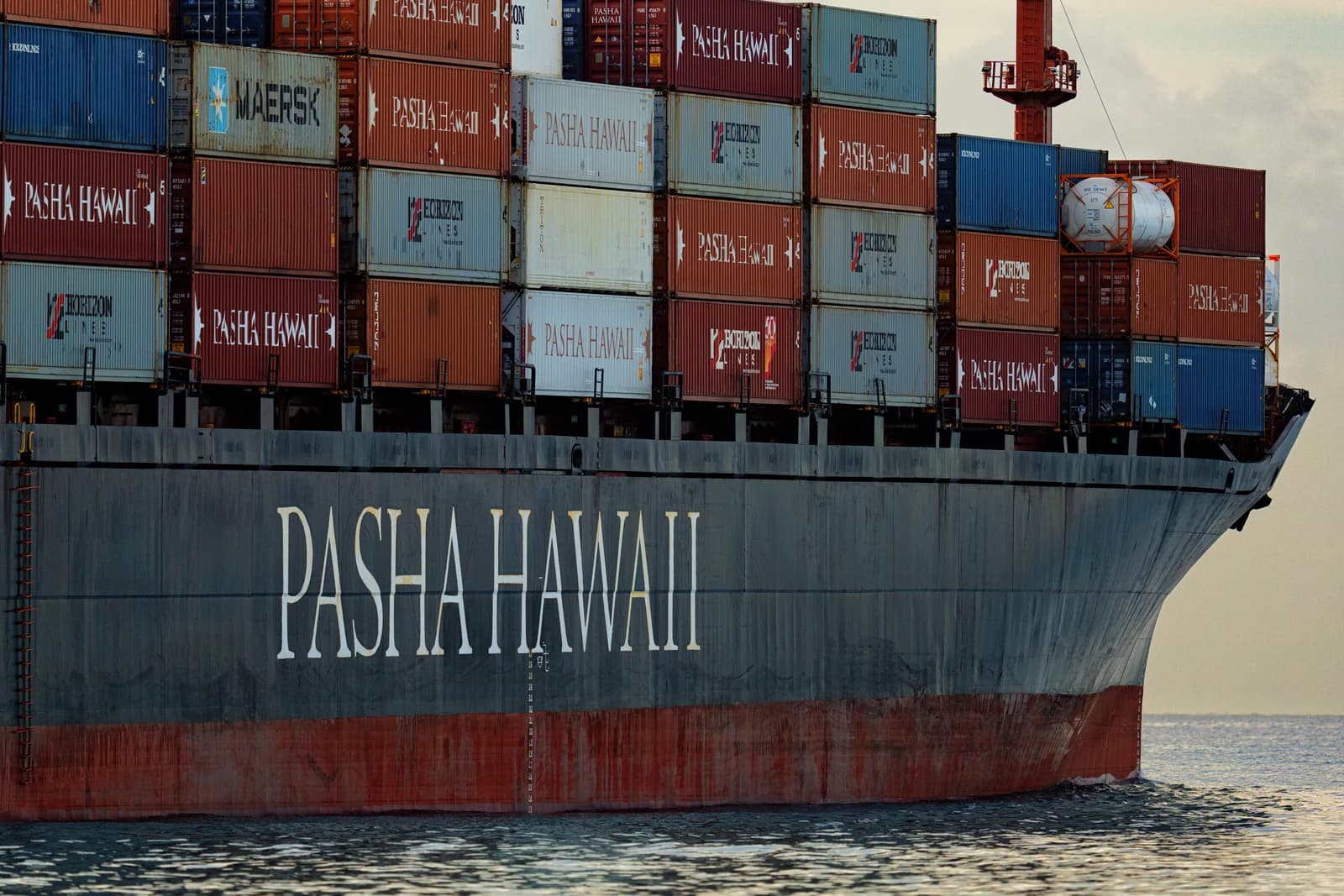
The imbalance matters because it shows both the upside and the limits of the EVFTA. Vietnam shipped roughly $7.65 billion of goods to Poland last year, while Polish exports to Vietnam were only about $527 million, leaving Warsaw with a trade deficit of nearly $7.1 billion even as Poland becomes Vietnam’s biggest partner in Central and Eastern Europe and Vietnam ranks as Poland’s top Southeast Asian counterpart.
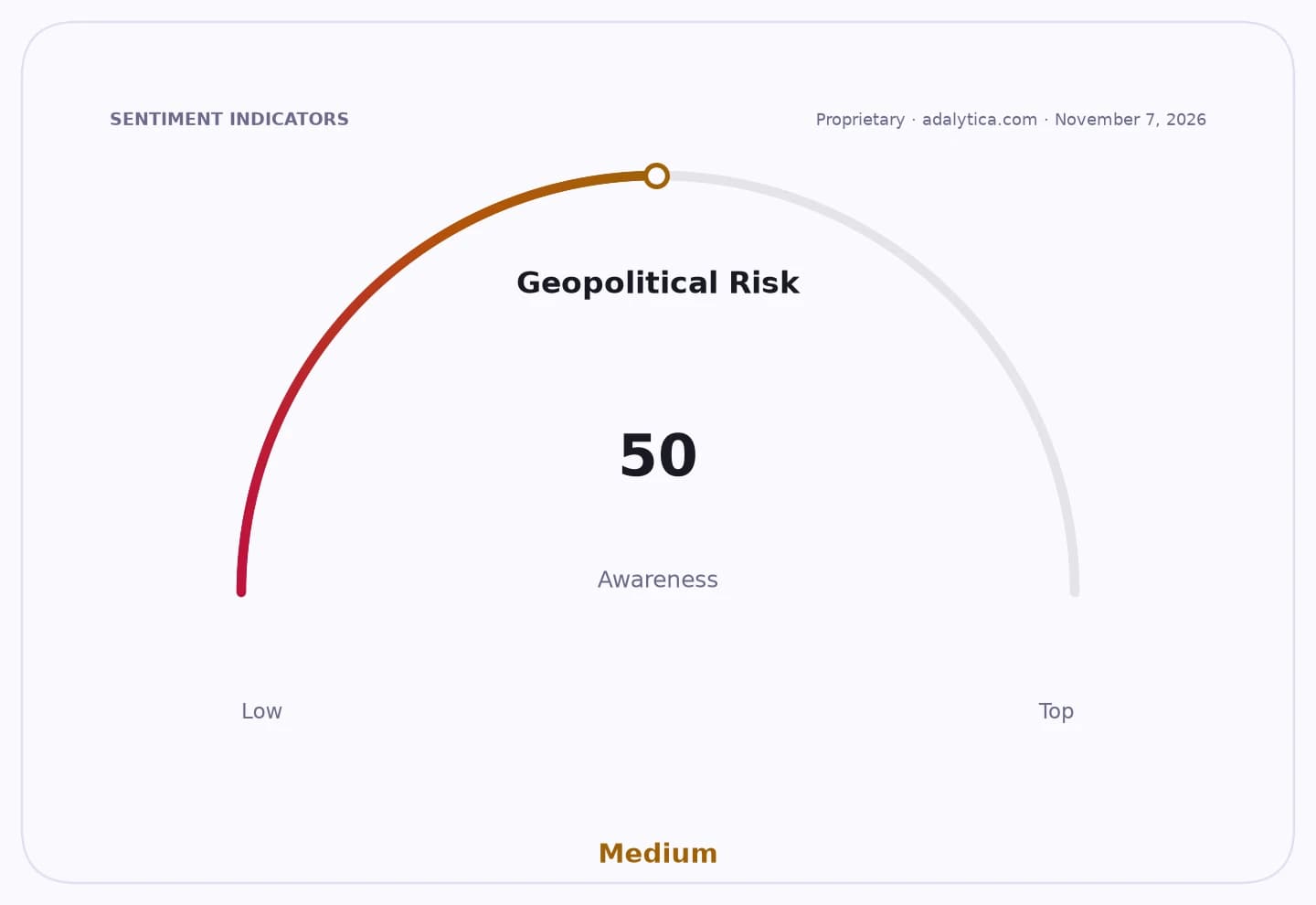
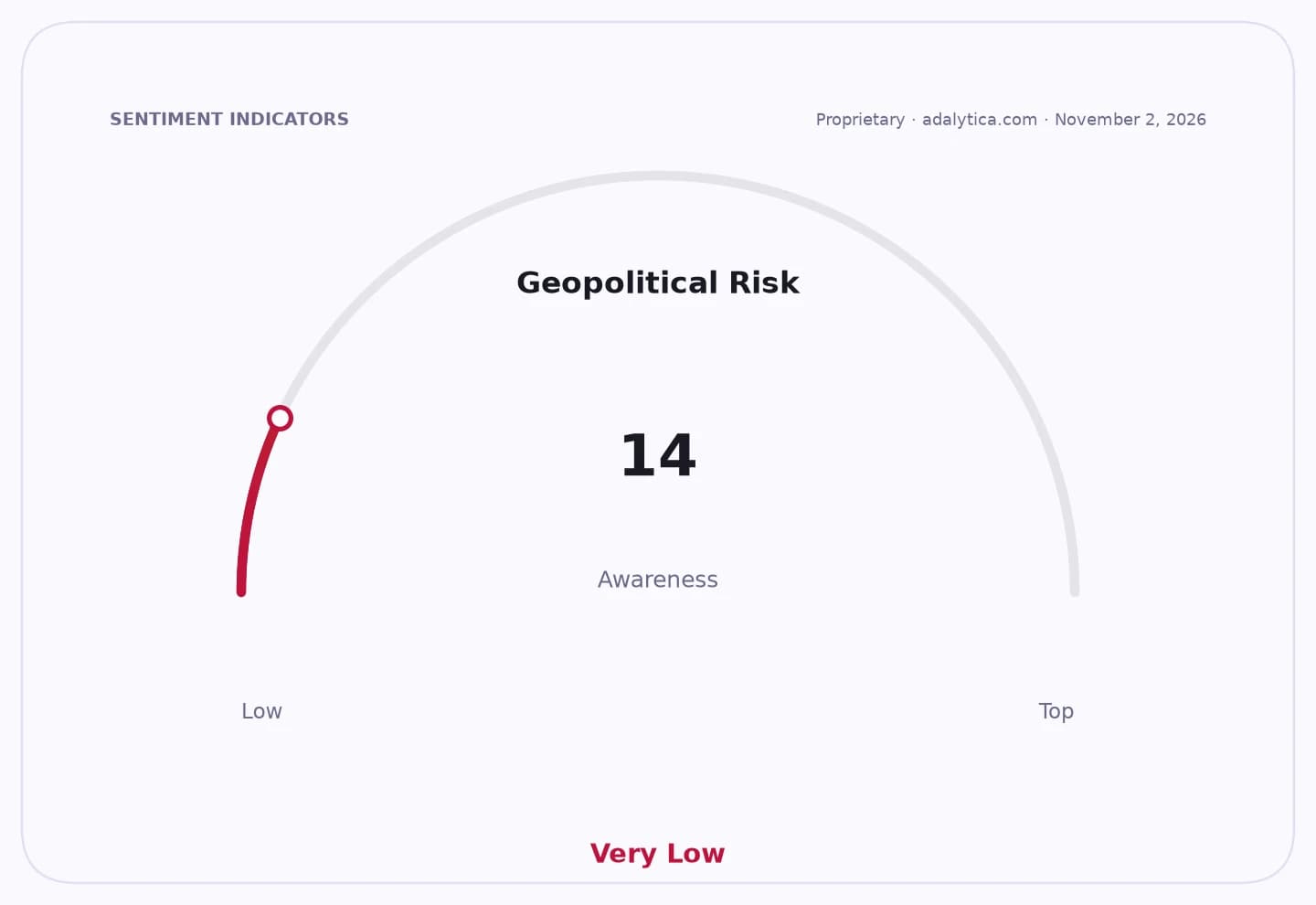
Sentiment Indicators
For investors, the scale of the flow points to steady demand for Vietnamese electronics, phones, footwear, textiles, furniture, coffee and seafood, while Polish exporters in food, machinery, pharmaceuticals and chemicals remain small beneficiaries. The EVFTA has already eliminated tariffs on about 99% of tariff lines, but the pact’s value now depends less on tariff cuts and more on whether Vietnam can meet EU labor, sustainability and origin standards that increasingly shape supply chains.
That is where the story turns from trade to policy pressure. Brussels is stepping up scrutiny through the EVFTA’s sustainable development rules and, separately, through the Corporate Sustainability Due Diligence Directive, which will force large EU companies to police labor and environmental risks in their supply chains. That raises the compliance bar for Vietnamese manufacturers and exporters, particularly as EU officials and unions continue to press Hanoi on freedom of association and labor rights commitments that remain incomplete.
The geopolitics are just as important. Poland backs international-law arguments on the South China Sea and has emerged as one of Europe’s strongest supporters of Ukraine, while Vietnam keeps a more neutral posture on Russia and avoids direct confrontation with China. The result is a relationship with clear commercial momentum but recurring strategic friction, especially as Warsaw tries to diversify away from China-linked supply chains and treat Vietnam as a gateway into ASEAN.
Poland’s own economic rise gives the relationship more weight than it once had. After three decades of post-communist reform, the country’s GDP surpassed $1 trillion in 2025 and per-capita output has climbed sharply, making it one of the largest and most successful economies in Central and Eastern Europe. That makes Poland a more relevant partner for Vietnam than a purely symbolic one, even if investment flows remain modest at roughly 34 Polish projects in Vietnam worth close to $500 million.
The next test is whether the relationship can move beyond trade volumes to genuine industrial and policy cooperation. A follow-up wave of education, digital, green-energy and technology agreements would signal deeper integration; failure to make progress on labor reform, origin controls and compliance would leave the partnership commercially strong but politically brittle.
| Entity | Gains | Losses |
|---|---|---|
| Vietnam exporters | ▲Tariff access to EU market | ▼Higher labor/compliance scrutiny |
| Polish importers | ▲Lower-cost supply diversification | ▼Wider trade deficit |
| EU regulators | ▲Stronger leverage on standards | ▼Risk of uneven enforcement |
| Polish exporters | ▲More market access over time | ▼Small share in bilateral trade |