Polytechnic University of Setúbal has launched the 10th edition of its Alumni Mentorship Program as universities across Europe and beyond lean harder on employability initiatives to help students bridge the gap between graduation and work.
Polytechnic University of Setúbal launches alumni mentorship
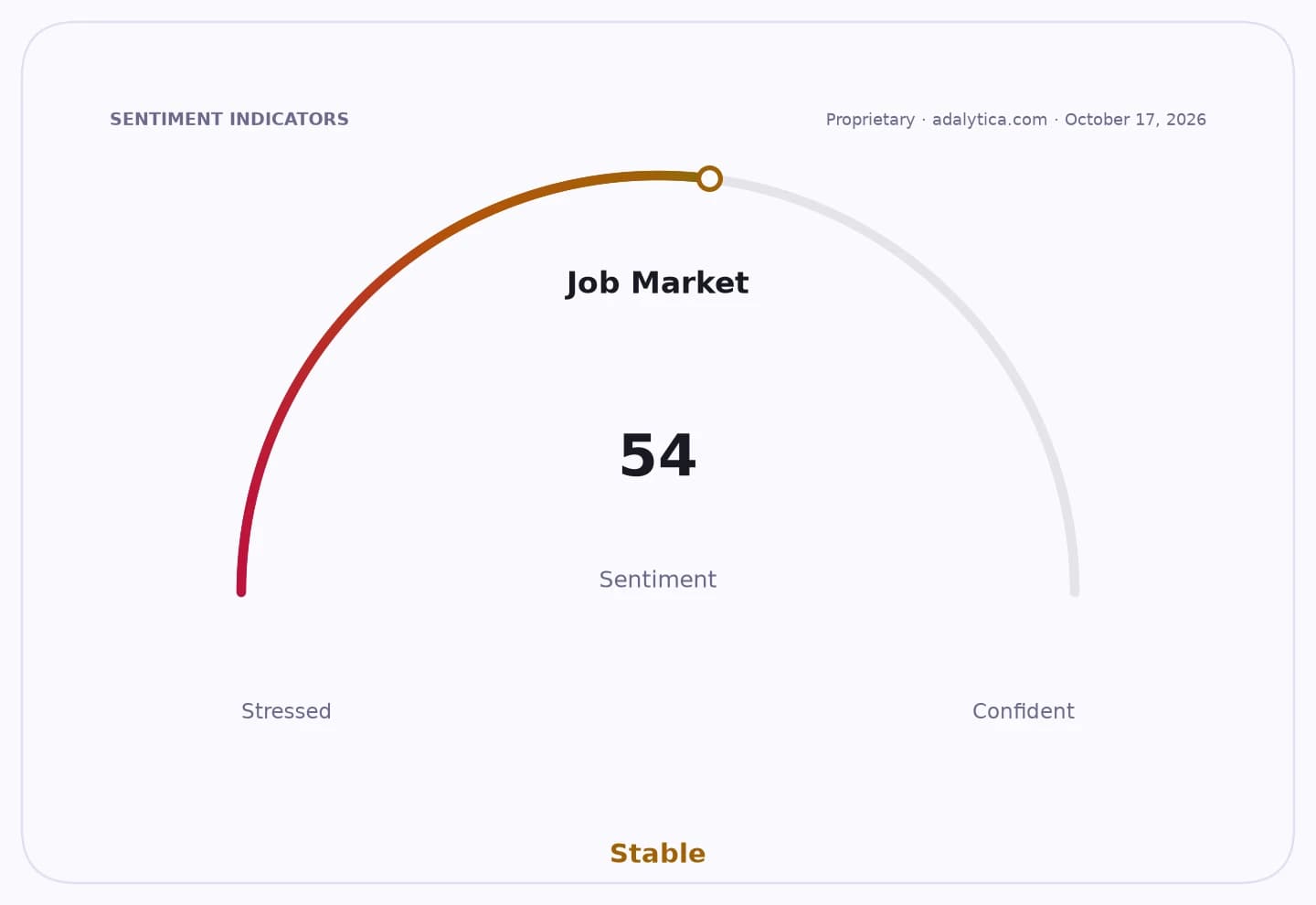
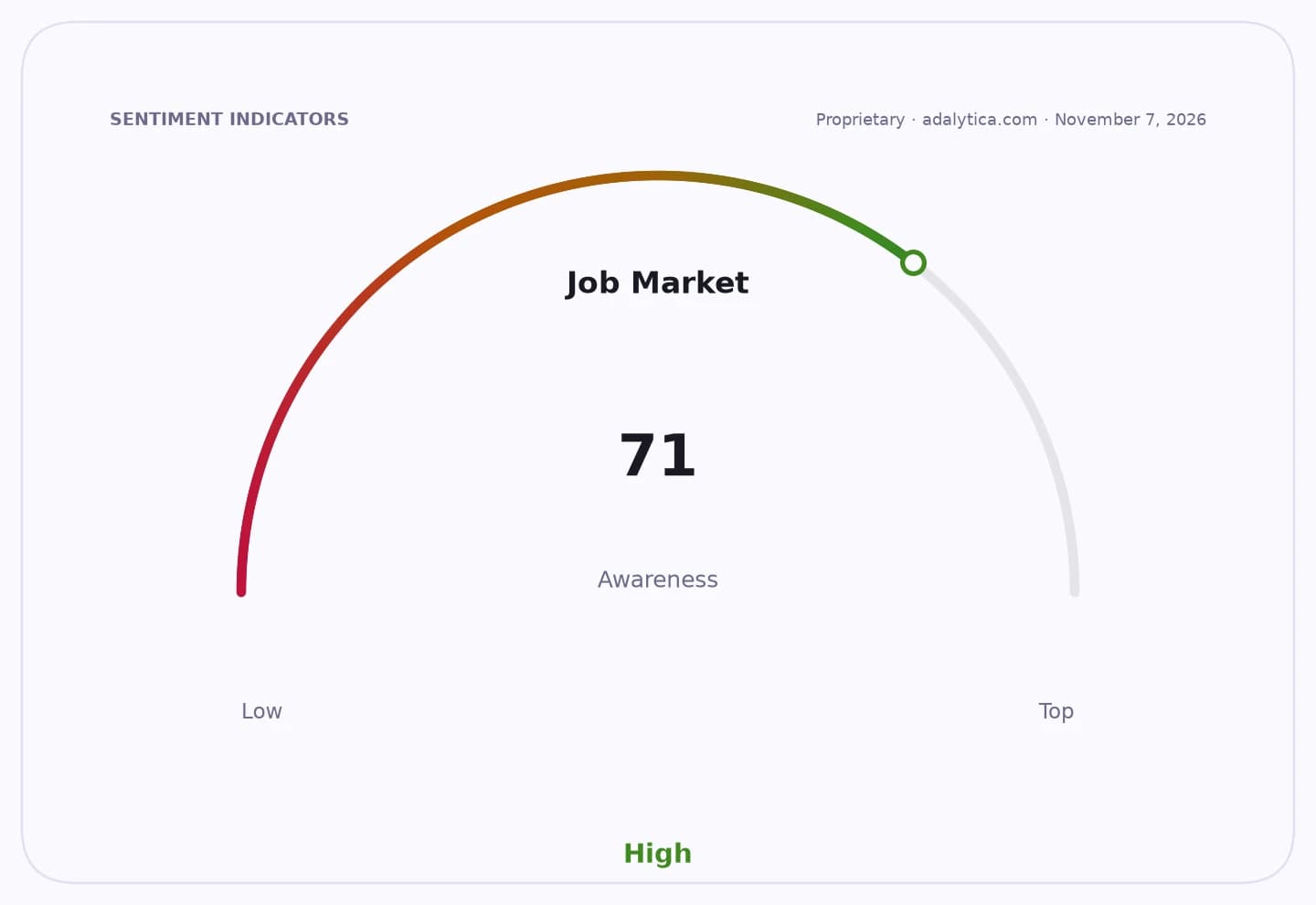
Job Market
More than 100 students and graduates from the university’s schools are taking part this year, split into 56 mentor-mentee teams. The program runs through the end of the academic year and pairs participants with professionals who have at least five years of experience, with the university saying the matches are based more on personality fit than on exact academic-to-career alignment.
Sentiment Indicators
The initiative matters because graduate employment has become a higher-stakes issue for universities facing pressure to prove that degrees lead to jobs, not just diplomas. For students, the biggest value is often not technical instruction but help with interviews, CVs, workplace adjustment and confidence — issues that can determine whether first job searches turn into offers.
That is the point emphasized by mentors and university leaders at the launch. Vice-rector for employability Carlos Mata said the program depends on commitment to keep the 56 teams active, while Rector Ângela Lemos urged students to use the experience to turn weaknesses into strengths.
One of the mentors, Sérgio Veríssimo, a business owner and longtime participant, said the benefit lies less in hard skills than in behavioral guidance and professional direction. Students echoed that need: Artur Teixeira, a final-year bioinformatics student, said he hopes the program will help him prepare for interviews, improve his résumé and secure internships as he looks toward data science and machine learning jobs.
The broader implication for investors and employers is that labor-market matching remains a live challenge even when job openings exist, especially for early-career workers who need networks and coaching as much as credentials. Programs like this can improve placement outcomes for universities and feed employers a more prepared talent pool, but they also underline how much extra support graduates increasingly need to compete.
| Entity | Gains | Losses |
|---|---|---|
| Polytechnic University of Setúbal | ▲stronger employability record | ▼pressure to prove job outcomes |
| Students and graduates | ▲mentoring, interview prep, networks | ▼less immediate job-market readiness |
| Employers | ▲better-prepared candidates | ▼slower screening of inexperienced hires |
| Traditional degree-only model | ▲less relevance | ▼credibility as skills gap widens |