Renting a one-bedroom apartment in Portugal now costs more than the minimum wage by more than 200 euros a month, underscoring how housing inflation is outpacing incomes and squeezing affordability in the country’s main urban and coastal markets.
Portugal T1 Rent Tops Minimum Wage by 200 Euros
That gap matters because rent has become one of the clearest transmission channels from the housing market to household consumption. When a basic T1 apartment costs 1,128 euros a month on average, versus a minimum wage well below that level, the mismatch leaves many workers either priced out of independent housing or forced into shared accommodation, longer commutes or informal arrangements. The result is weaker disposable income, less spending power and a deeper affordability crisis for lower-paid workers, especially in Lisbon, Faro and Madeira, where rents are highest.
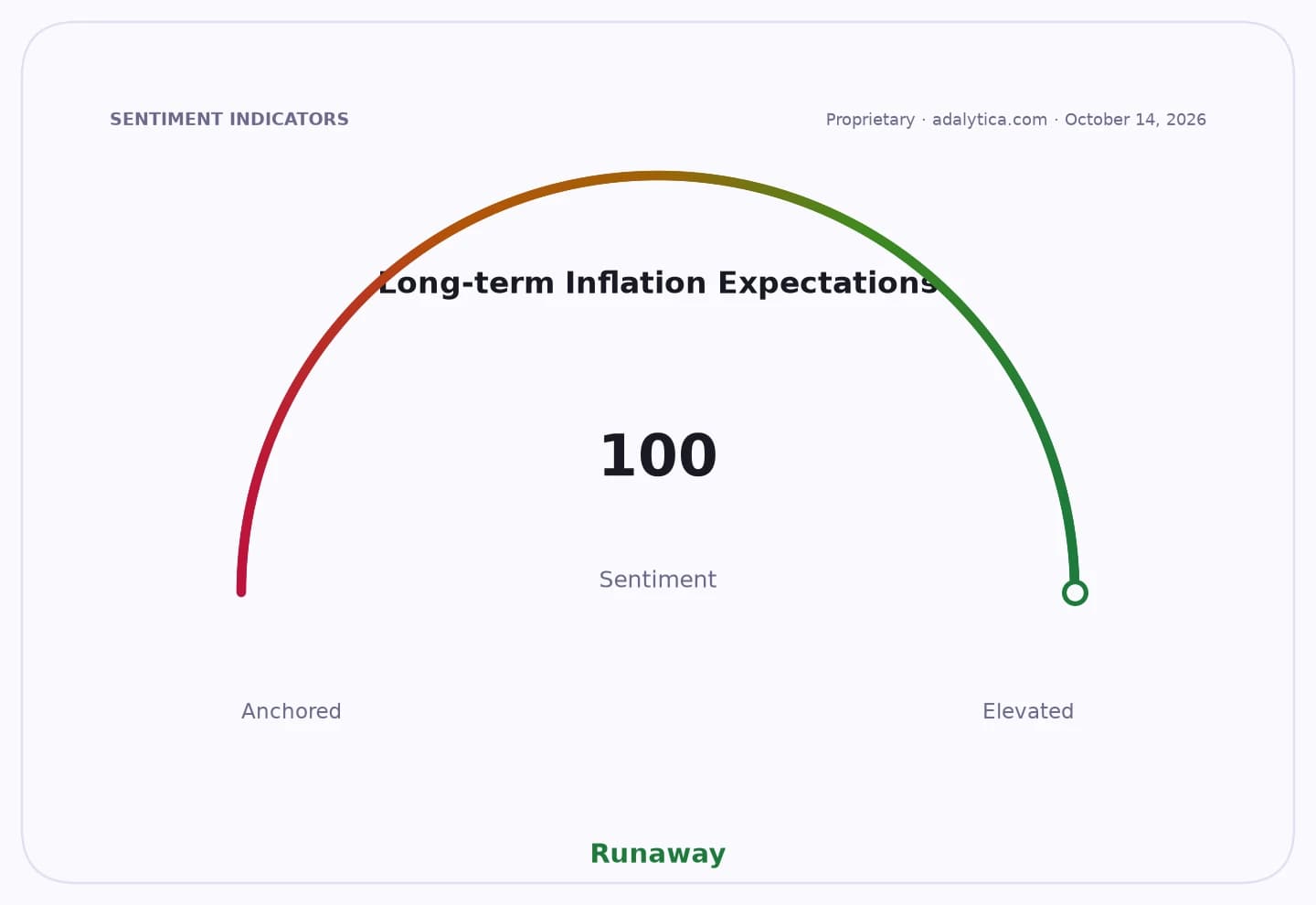
Sentiment IndicatorsⓘProprietary · adalytica.com · September 26, 2026
This is a snapshot — live sentiment, awareness and momentum for 130+ markets update continuously in the dashboard.Open AlphaPulse
The latest idealista survey shows the average advertised rent for a T1 rose again in August after a softer first half of the year, reversing an earlier downtrend. The median cost of renting a room is 505 euros a month, still 123% cheaper than a one-bedroom apartment, while studios average 908 euros, sitting between the two but still 80% above a room. The pricing structure highlights how even the smallest self-contained units remain far beyond the reach of many wage earners.
Lisbon is the country’s most expensive rental market, with a T1 averaging 1,354 euros in the district and 1,409 euros in the city itself. Madeira and Faro follow closely, while Porto and Setúbal also remain well above the national average. At the other end of the market, inland districts such as Guarda, Castelo Branco and Bragança offer the lowest rents, but even there the spread between room, studio and apartment costs shows how thin the affordable segment has become.
For investors, the message is mixed. Persistent demand and constrained supply support landlords’ pricing power in prime urban and tourist-heavy markets, especially where wage growth and household formation are lagging rents. But the same dynamic raises political risk: the wider the gap between housing costs and wages, the greater the pressure on policymakers to extend rent controls, tax changes or incentives to bring more stock to market. That can cap upside for owners and slow transaction activity even when occupancy stays high.
The market is likely to keep splitting between expensive coastal hubs and cheaper inland districts. Unless supply rises faster than demand, Portugal’s rental affordability gap will remain a drag on household finances and a durable support for asking rents in the country’s most sought-after locations.
| Entity | Gains | Losses |
|---|---|---|
| Landlords in Lisbon/Faro/Madeira | ▲Higher asking rents | ▼Policy and affordability backlash |
| Tenants and minimum-wage workers | ▲Cheaper inland options | ▼Urban housing access |
| Property investors | ▲Strong pricing power | ▼Regulatory risk |
| Portuguese households | ▲None | ▼Disposable income |