JPMorgan has cut Postal Savings Bank of China to neutral, reflecting a tougher earnings backdrop for Chinese lenders as policy easing compresses lending margins and limits the scope for further outperformance in a slowing credit environment.
Postal Savings Bank of China Cut to Neutral by JPMorgan
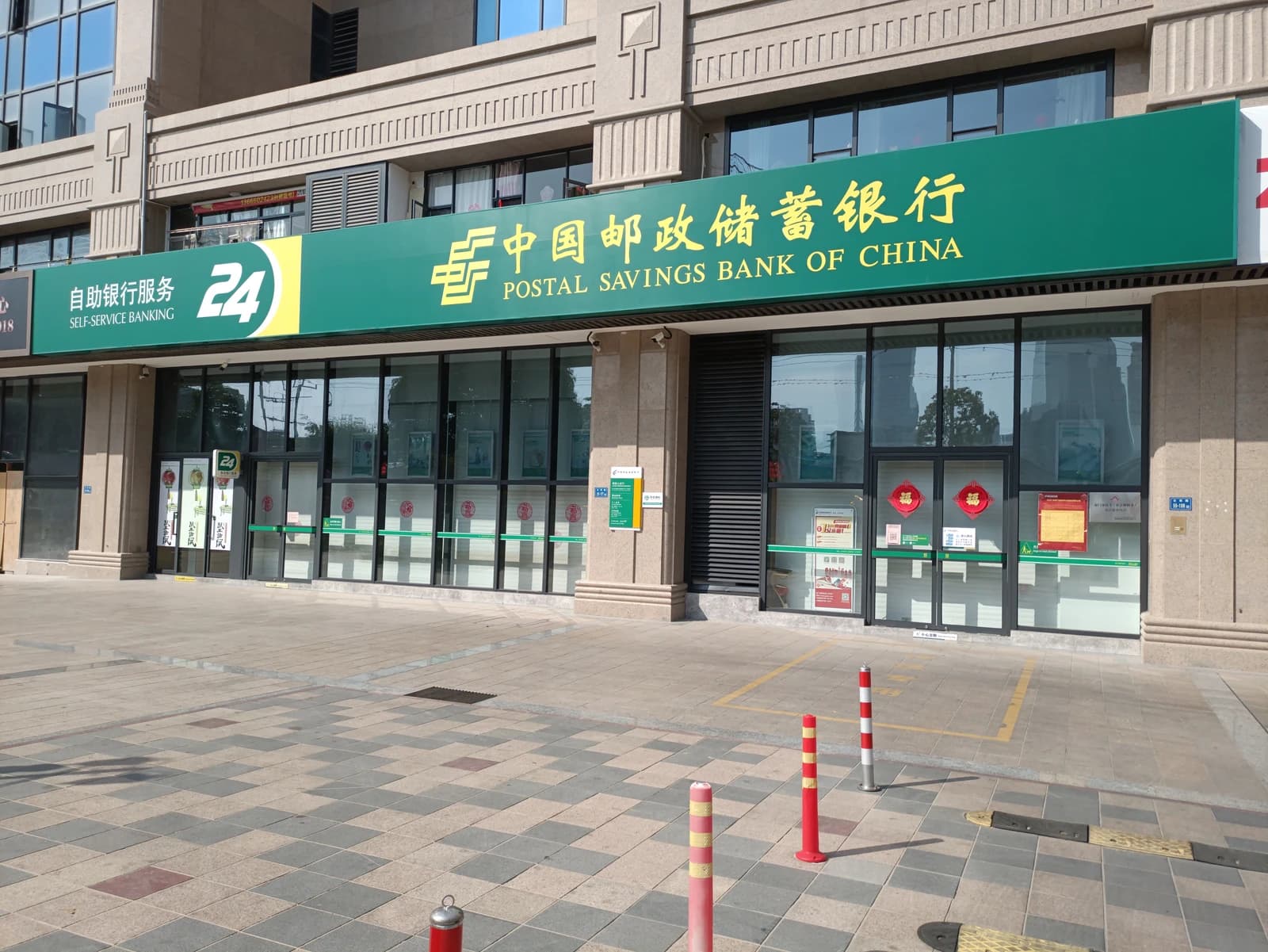
The downgrade matters because Postal Savings Bank is one of China’s largest deposit franchises, a business model that depends heavily on the spread between funding costs and loan yields. As the central bank has reduced benchmark rates to support growth, banks are under pressure to reprice loans lower while deposit costs tend to adjust more slowly. That squeezes net interest margins, the key profit engine for commercial banks, and leaves less room for earnings upgrades even if loan demand stabilizes.
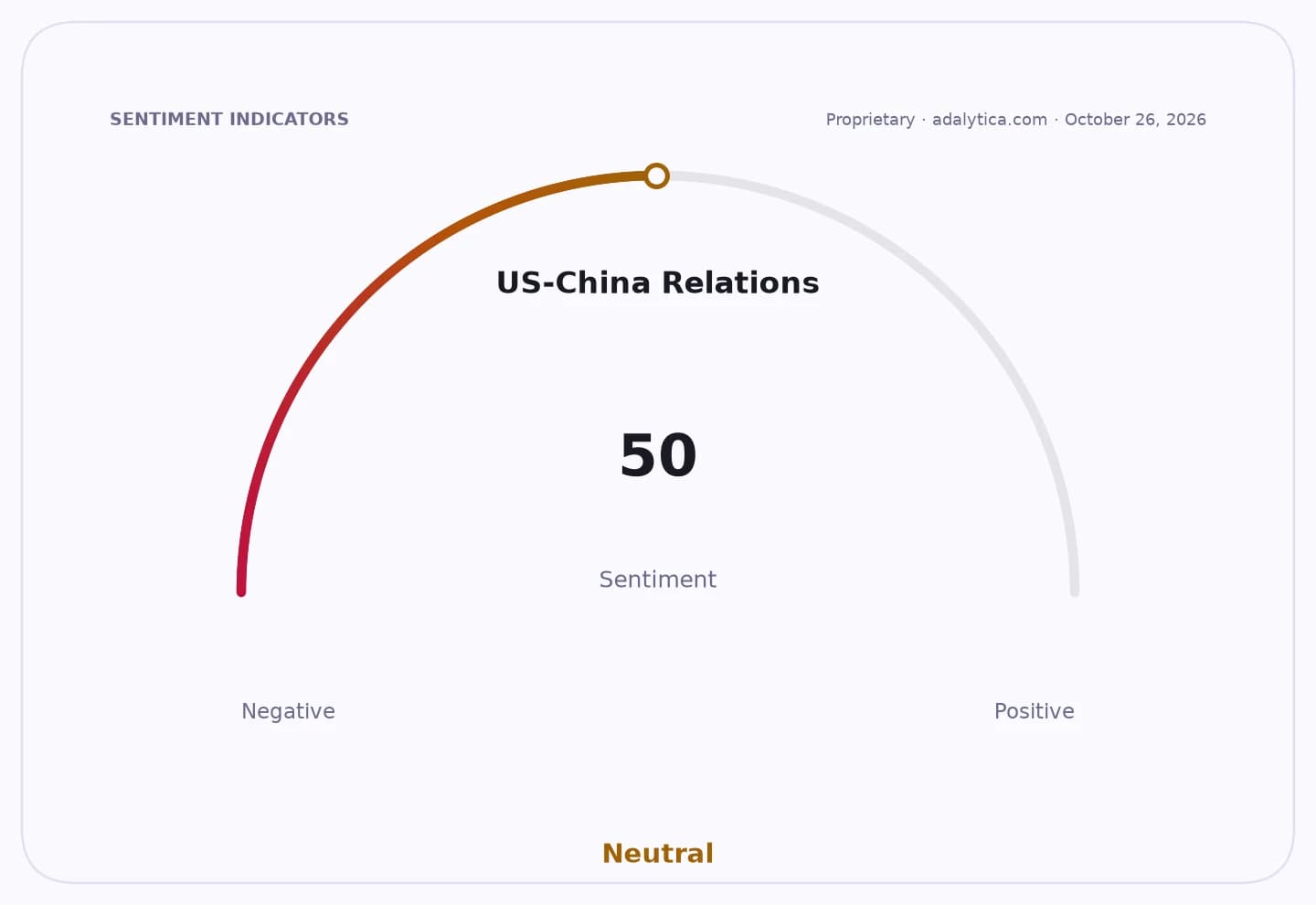
Sentiment IndicatorsⓘProprietary · adalytica.com · October 27, 2026
This is a snapshot — live sentiment, awareness and momentum for 130+ markets update continuously in the dashboard.Open AlphaPulse
For investors, the call is a reminder that Chinese bank valuations can look inexpensive for good reason. A neutral rating implies the stock’s upside from here may be more limited unless there is a clearer pickup in credit demand, stronger fee income or evidence that margins can hold up better than expected. In a market where financial stocks often trade as proxies for macro confidence, a downgrade on a major state-linked lender can also dampen sentiment toward the broader sector.
The broader setup is challenging. Chinese authorities are trying to balance growth support with financial stability, and lower rates are meant to encourage borrowing and investment. But for banks, easier policy can translate into thinner spreads before it translates into faster loan growth. That tradeoff is especially important for deposit-rich lenders such as Postal Savings Bank, which may be more insulated on funding than some peers but are still exposed to the sector-wide decline in asset yields.
JPMorgan’s own stock has held up better than the sector, but its recent trading shows how banks can be sensitive to changing rate expectations and earnings momentum. By contrast, the China ETF FXI has weakened, with its price falling below both the 50-day and 200-day moving averages and RSI readings pointing to soft momentum, a sign that investors remain cautious on the country’s financial and economic outlook.
The key question now is whether Beijing’s policy support can lift loan growth enough to offset the margin squeeze. If not, Chinese banks may remain trapped between a softer macro backdrop and lower profitability, leaving investors focused more on dividend yield and balance-sheet strength than on earnings growth.
| Entity | Gains | Losses |
|---|---|---|
| Borrowers in China | ▲Cheaper financing | ▼Lenders’ margins |
| Postal Savings Bank of China | ▲Deposit franchise resilience | ▼Net interest income |
| Chinese policymakers | ▲Growth support | ▼Bank profitability |
| Bank equity investors | ▲Potential dividend support | ▼Re-rating upside |