The pound retreated from a two-week high on Monday even after stronger-than-expected British manufacturing data, underscoring how closely sterling is now tethered to Thursday’s Bank of England decision and the tone that follows it.
Pound slips before Bank of England rate decision
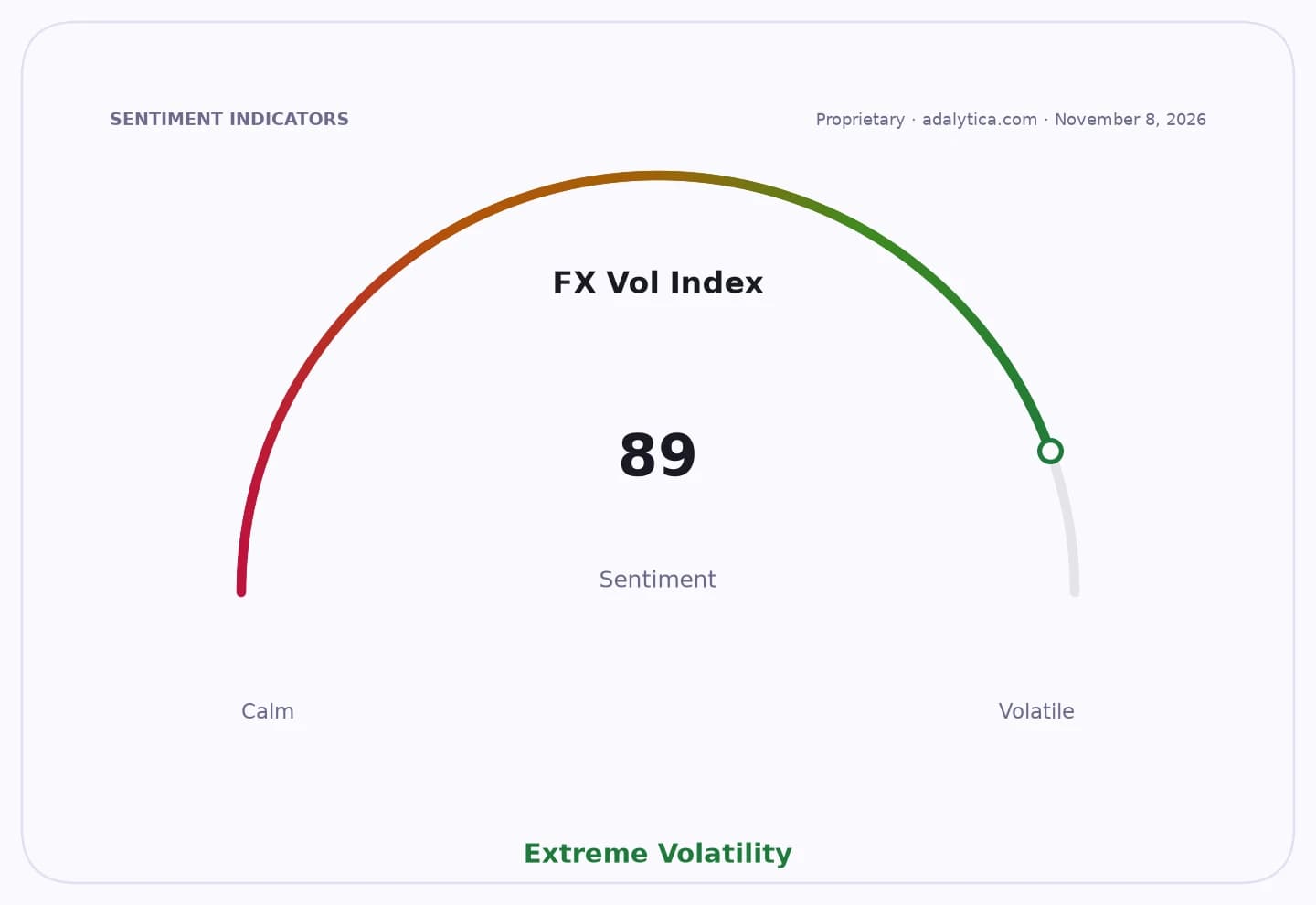
FX Vol Index
Sterling rose as high as $1.3450, its best level in two weeks, before easing back toward $1.3420 as traders weighed a firmer domestic economy against the risk that the central bank may not deliver the kind of hawkish guidance needed to extend the rally. The move came after S&P Global’s final UK manufacturing PMI for October was confirmed at 52.8, up from 51.9 in September and the strongest reading in five months.
Sentiment Indicators
For the economy, the PMI matters because it suggests manufacturing is still expanding despite slowing global demand and lingering post-Brexit frictions. Readings above 50 point to growth, and the latest print reinforces the case that the UK has not lost momentum going into the final months of the year. It also supports the view that inflationary pressure may not cool quickly enough for policymakers to pivot aggressively.
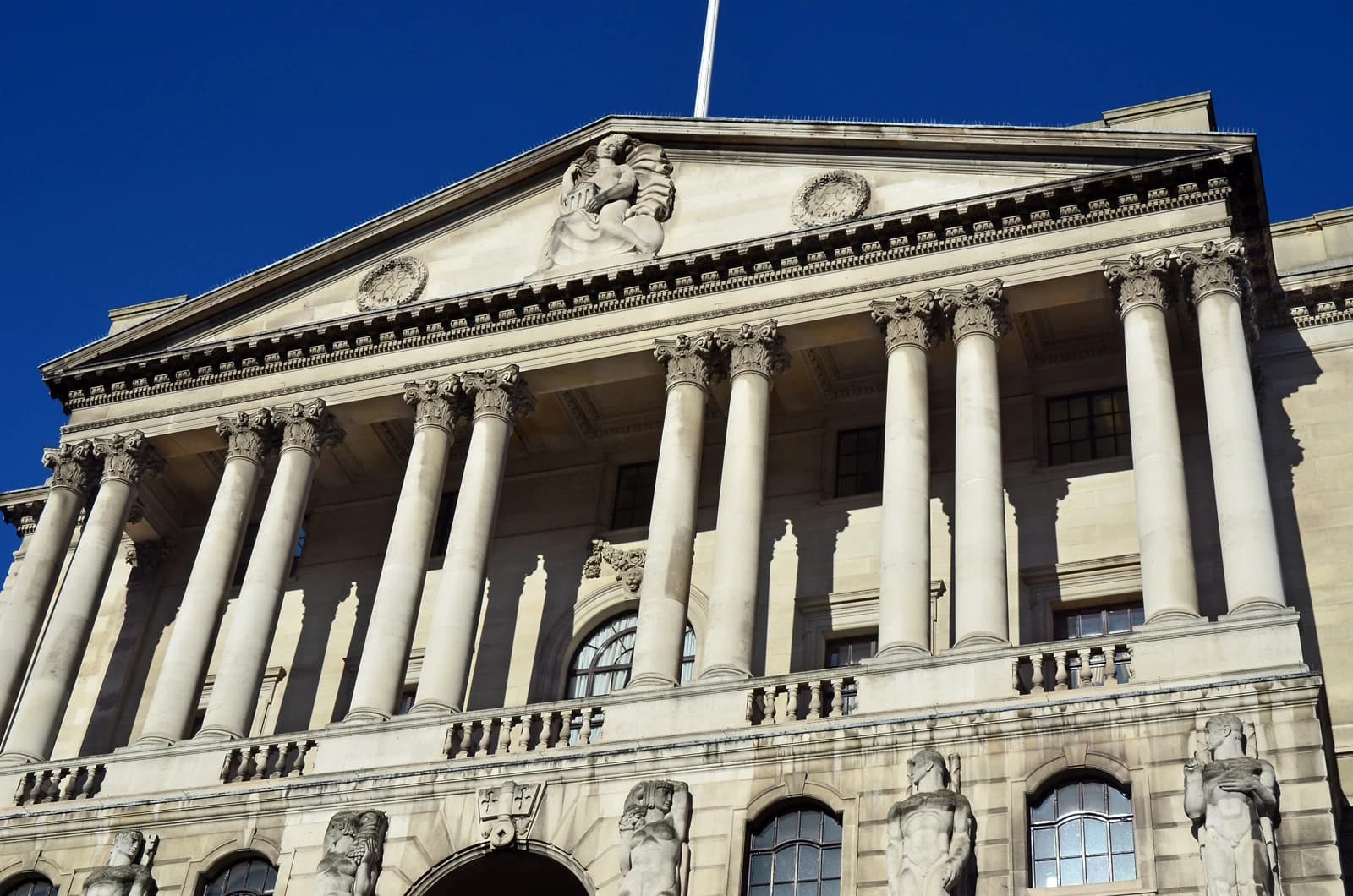
That is why the Bank of England is the decisive factor. Markets have been leaning toward a 25-basis-point increase to 4% at Thursday’s meeting, but the bigger question is whether Governor Andrew Bailey and his colleagues signal that more tightening is likely. With opinions still split inside the Monetary Policy Committee, traders are treating the statement and Bailey’s remarks as more important than the rate move itself.
For investors, that leaves sterling vulnerable to a familiar pattern: solid domestic data are not enough on their own unless they are paired with a clear policy path. The pound has had support from the prospect of higher UK rates, but that support can quickly fade if the Bank sounds reluctant to keep tightening or if it emphasizes growth risks more than inflation risks.
The dollar is also part of the equation. It had been under modest pressure as oil prices eased and investors looked ahead to US election uncertainty and a separate round of American manufacturing data. Analysts at MUFG/BTMU said markets were positioning for Republicans to lose control of Congress, a result they argued could curb President Donald Trump’s room for maneuver and weigh on the greenback. Still, they noted that such a political outcome would not by itself reverse the broader dollar picture.
The combined setup argues for a near-term sterling market driven less by the manufacturing data than by central-bank signaling. A more hawkish Bank of England could extend the pound’s gains, especially if US data fail to strengthen the dollar. But if the Bank delivers a cautious message, the currency’s recent strength may prove fragile despite the improved PMI backdrop.
| Entity | Gains | Losses |
|---|---|---|
| British pound | ▲Hawkish BoE signaling | ▼A cautious BoE tone |
| UK exporters | ▲Weaker sterling | ▼Stronger sterling |
| UK households | ▲Stronger growth outlook | ▼Higher borrowing costs |
| US dollar | ▲Softer if US data disappoint | ▼From risk-on sentiment and political uncertainty |