Premier League clubs have already spent about £1.5 billion on reinforcements this summer, underscoring how English football’s top tier remains an unusually liquid market even as many consumer-facing industries face tighter budgets and more cautious demand.
Premier League Spending Signals Market Concentration

The scale of the outlay matters because it shows the Premier League’s transfer market still functions as a high-cash, high-velocity ecosystem, with clubs using broadcast income, owner backing and future commercial revenue to chase performance gains. In a softer macro backdrop, that makes elite football one of the few sectors where spending is still being pulled forward rather than deferred.
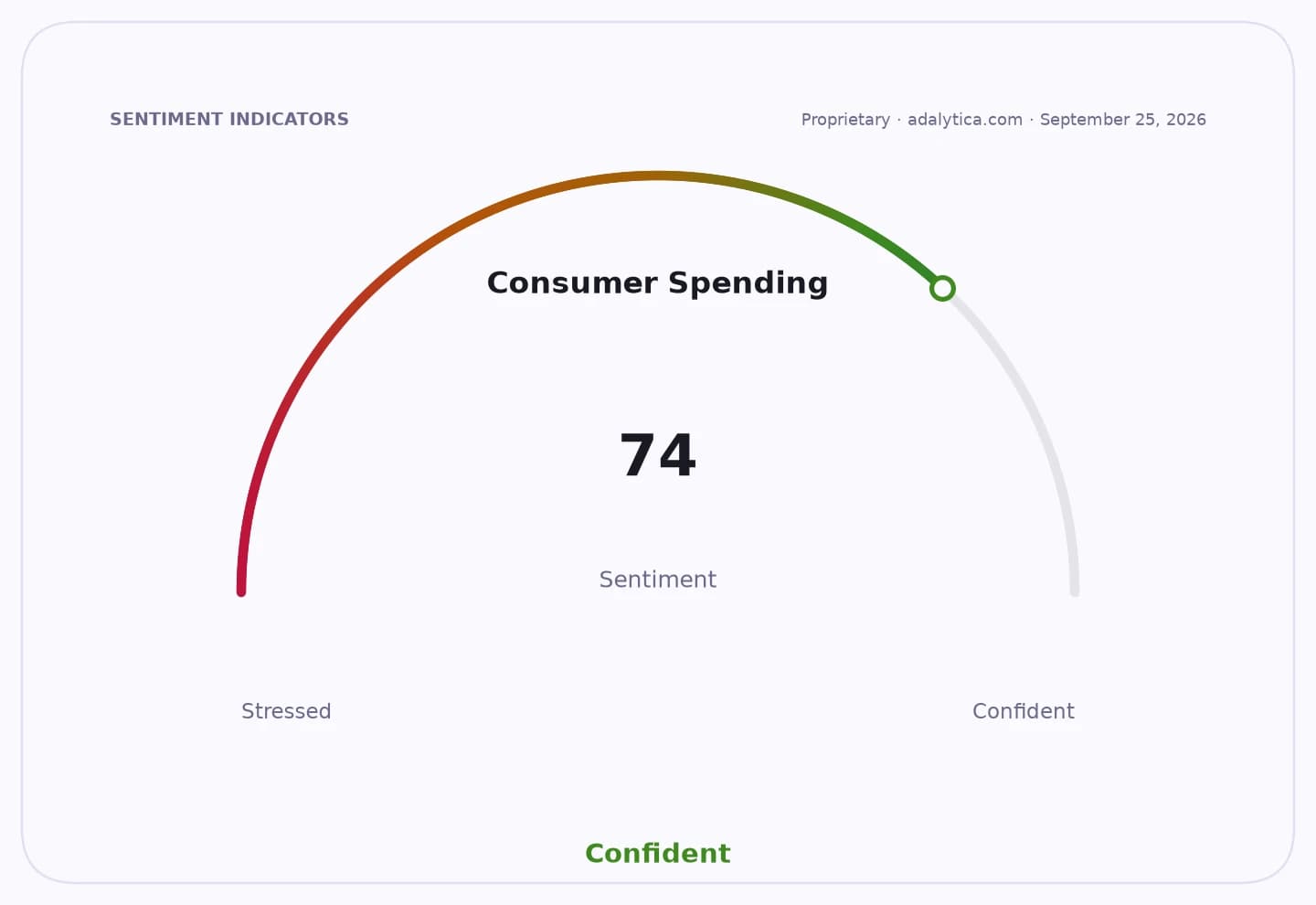
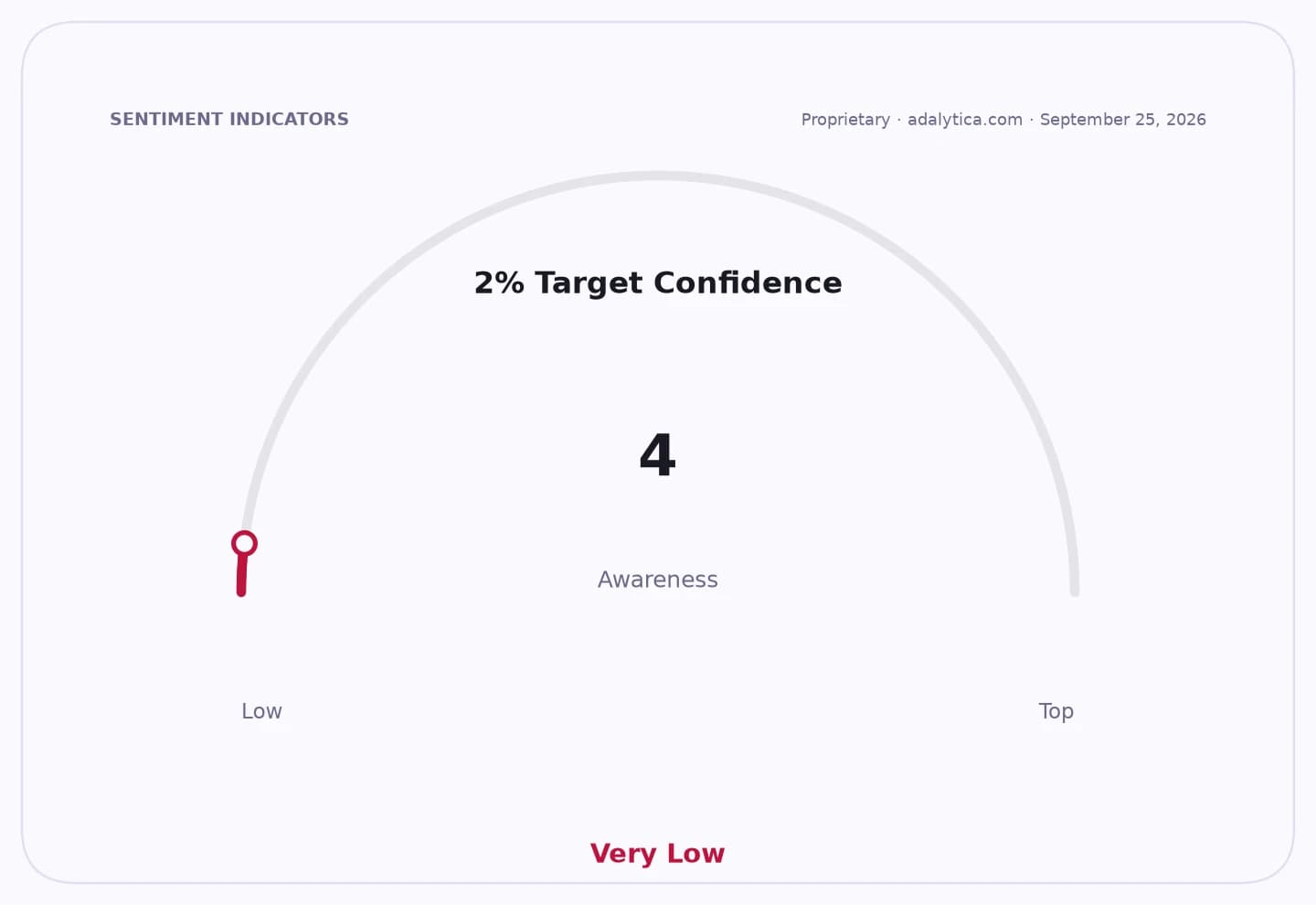
Sentiment IndicatorsⓘProprietary · adalytica.com · July 23, 2026
This is a snapshot — live sentiment, awareness and momentum for 130+ markets update continuously in the dashboard.Open AlphaPulse
For investors, the spending wave is a reminder that the economics of the league are increasingly about concentration. The biggest clubs can keep buying marginal gains while smaller rivals are forced to sell assets or trade in a more disciplined way. That widens the gap on and off the pitch, and it strengthens the position of the sport’s biggest brands, broadcasters and rights holders.
Manchester United sits at the center of that story. The club’s shares have climbed to about $22.30, above both its 50-day moving average of $21.62 and its 200-day moving average of $18.02, even after a recent pullback. The move reflects investor confidence that the club’s rebuilding push, including its wider stadium and regeneration plans, can support future revenue growth and restore competitiveness.
The technical picture suggests the market is still willing to pay for the turnaround, but not without caution. RSI readings have eased from overbought levels to 40.1, while the MACD remains positive, indicating momentum has cooled rather than broken. That is consistent with a stock that has rerated on optimism but still needs execution to justify it.
The broader sector backdrop also matters. Media and sports rights remain expensive, with Disney telling investors it expects sports-related content spending of about $24 billion in fiscal 2026, up from $23 billion a year earlier. That helps explain why football’s premium assets continue to attract capital: clubs can still monetize scarcity through global audiences, sponsorship and media demand.
There are risks beneath the spending boom. Wage inflation, Financial Fair Play scrutiny and the possibility of weaker consumer spending could all squeeze margins if results do not improve quickly enough. But the bull case is straightforward: the Premier League’s top end still has pricing power, and clubs are acting as if the returns on talent and brand expansion remain high.
For investors, the key question is whether this summer’s £1.5 billion is the start of another cycle of outperformance for the league’s richest institutions — or simply an expensive race to stand still. The answer will depend on European qualification, matchday monetization and whether the biggest clubs can convert spending into sustained commercial growth.
| Entity | Gains | Losses |
|---|---|---|
| Premier League giants | ▲Squad depth and title odds | ▼Transfer discipline |
| Broadcasters and rights holders | ▲Premium content pipeline | ▼Cost pressure |
| Smaller clubs | ▲Transfer fee income | ▼On-field competitiveness |
| Manchester United shareholders | ▲Turnaround optionality | ▼Execution risk |