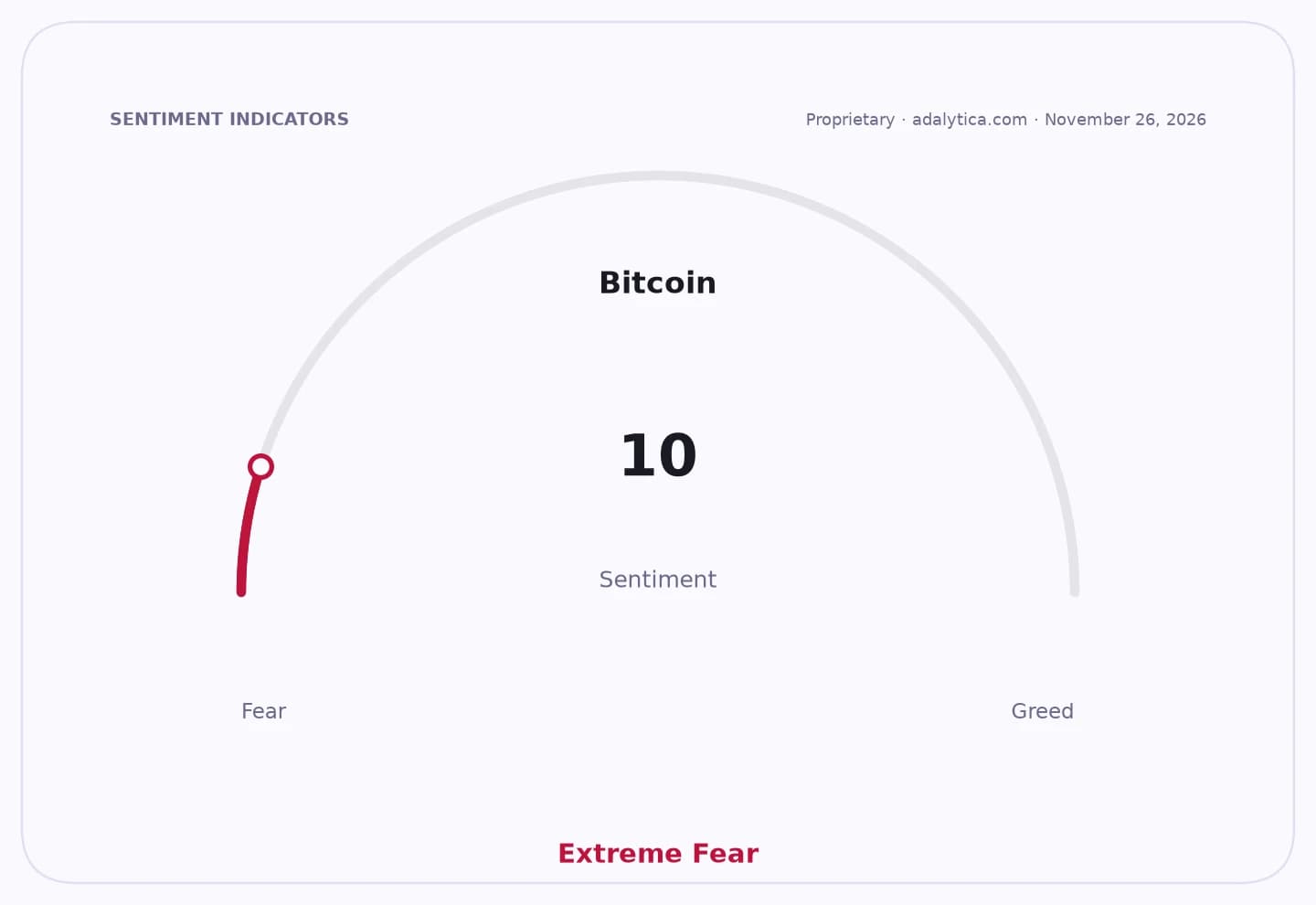
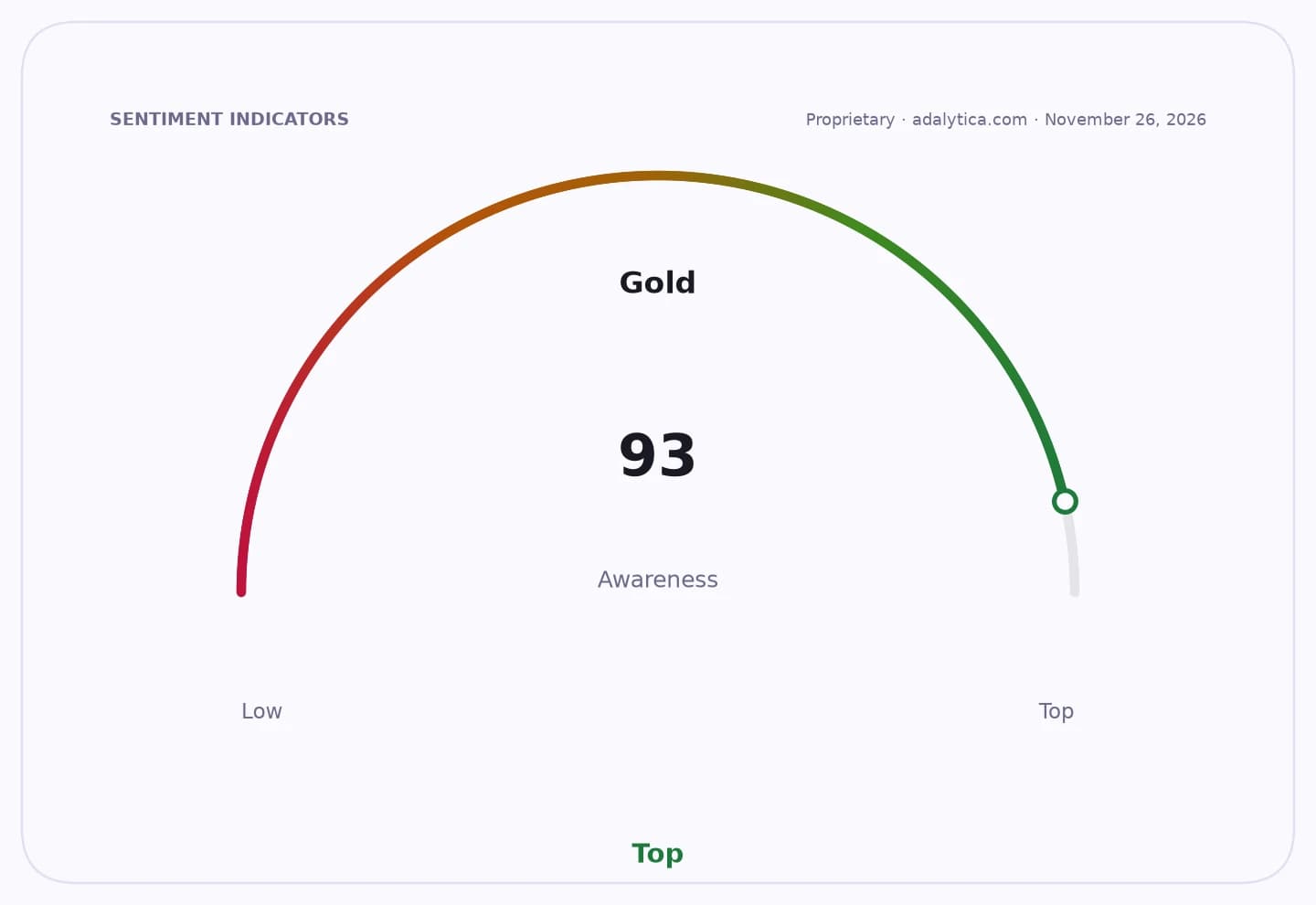
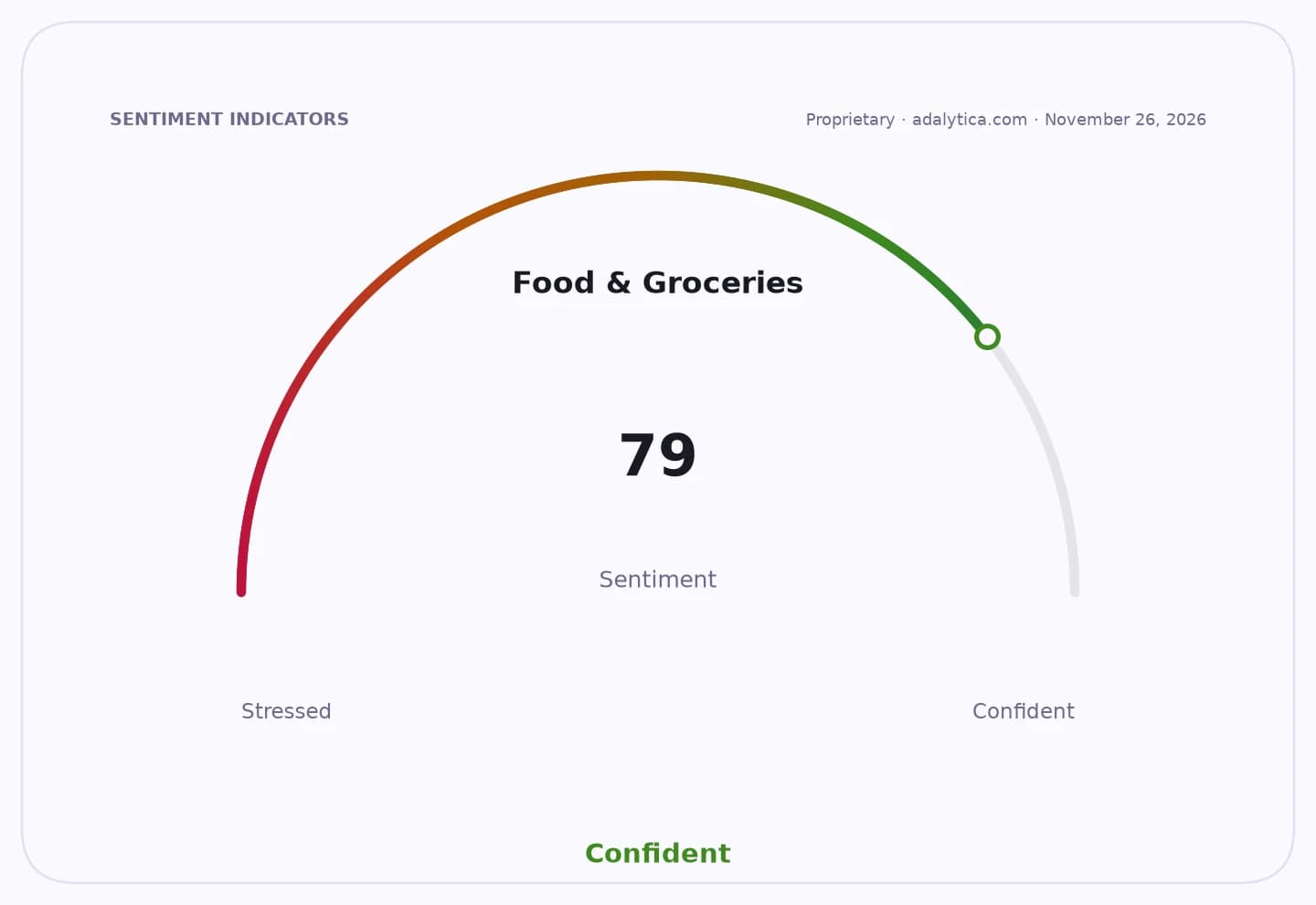
Prime Day’s final stretch matters because it is now one of the clearest live readouts on whether households are still willing to spend aggressively even as borrowing costs stay elevated and confidence sinks. The event is no longer just a retail promotion for Amazon; it is a broader pulse check on discretionary demand, online commerce and the health of the consumer into the second half of the year.
Prime Day Tests Consumer Demand Resilience
Retail Goods Spending
That makes the timing important. The University of Michigan’s consumer sentiment index fell to 44.8 in May, near recession-era lows, while consumer spending sentiment tracked by Adalytica sits at an extreme-greed reading of 89, suggesting appetite to buy remains strong even as households remain cautious about the broader economy. In other words, shoppers may be anxious, but they are still hunting for bargains, and Prime Day is designed to convert that tension into spending.
Sentiment Indicators

Amazon is positioned to benefit most. Its shares were last around $245.34, above the 200-day moving average of $233.33 and close to the 50-day average of $254.03, after recovering from a June slide that briefly pushed the stock below its recent trading range. The recent move in the daily RSI back toward neutral territory and a MACD crossover closer to improvement suggest the market is waiting for evidence that Prime Day can translate traffic into sales rather than merely clicks. That matters because Amazon has used the event not only to drive retail revenue but also to support Prime subscriptions, ad sales and marketplace activity across third-party sellers.
Shopify is also in focus as merchants use Amazon’s event to clear inventory and test demand across their own storefronts. Shopify shares, which recently traded around $122.54, remain below the 200-day moving average of $135.47, underscoring how much investors still question the durability of e-commerce growth after the pandemic surge. If Prime Day spending is broad-based, it can support the case that online retail remains structurally larger than before. If the promotion only shifts demand forward, it could reinforce concerns that consumers are trading down rather than spending more.
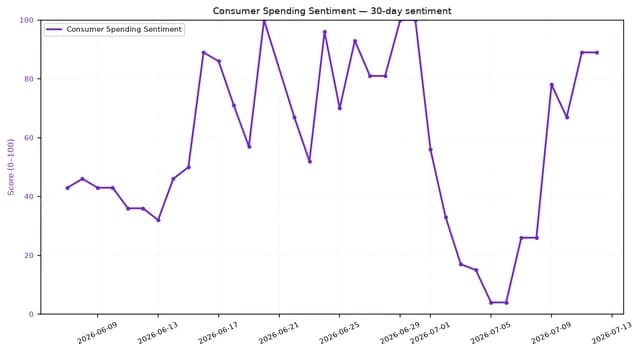
Macro conditions add another layer. The 10-year Treasury yield has hovered around 4.55%, keeping financing costs elevated for consumers and businesses alike, while Adalytica’s U.S. dollar signals show extreme fear, a backdrop that can affect import costs and pricing power for retailers. Yet the strongest immediate signal for investors is that retail-goods spending sentiment remains in extreme-greed territory, pointing to willingness to spend when discounts are compelling. That is good for Amazon, third-party sellers and logistics providers, but it can pressure rivals that do not have Amazon’s traffic, fulfilment scale or pricing reach.
For investors, the real question is whether Prime Day confirms resilient demand or exposes how dependent retailers have become on deep discounting to move goods. A strong finish would support near-term estimates for Amazon and improve the outlook for e-commerce spend more broadly. A weak one would argue that consumers are still buying, but only when pushed hard on price — a more fragile setup for the rest of the holiday cycle.
| Entity | Gains | Losses |
|---|---|---|
| Amazon | ▲Higher traffic and sales mix | ▼Margin pressure from discounts |
| Third-party sellers | ▲Inventory clearance | ▼Pricing leverage |
| Consumers | ▲Lower checkout prices | ▼Temptation to overspend |
| Rival retailers | ▲Spillover shopping demand | ▼Share loss to Amazon |