Major book publishers have sued Alphabet’s Google, accusing the company of using copyrighted books to train its Gemini artificial intelligence model, a case that could force one of the biggest AI builders to pay more for content and redraw the economics of generative AI.
Publishers sue Google over Gemini training
The lawsuit lands at a sensitive moment for the AI sector, where model makers are racing to secure data, compute and distribution while facing a rising legal bill from authors, media groups and other rights holders. If publishers win meaningful damages or licensing terms, the cost of training frontier models could climb further, narrowing margins for Alphabet and peers that have treated vast web-scale data sets as a core input.
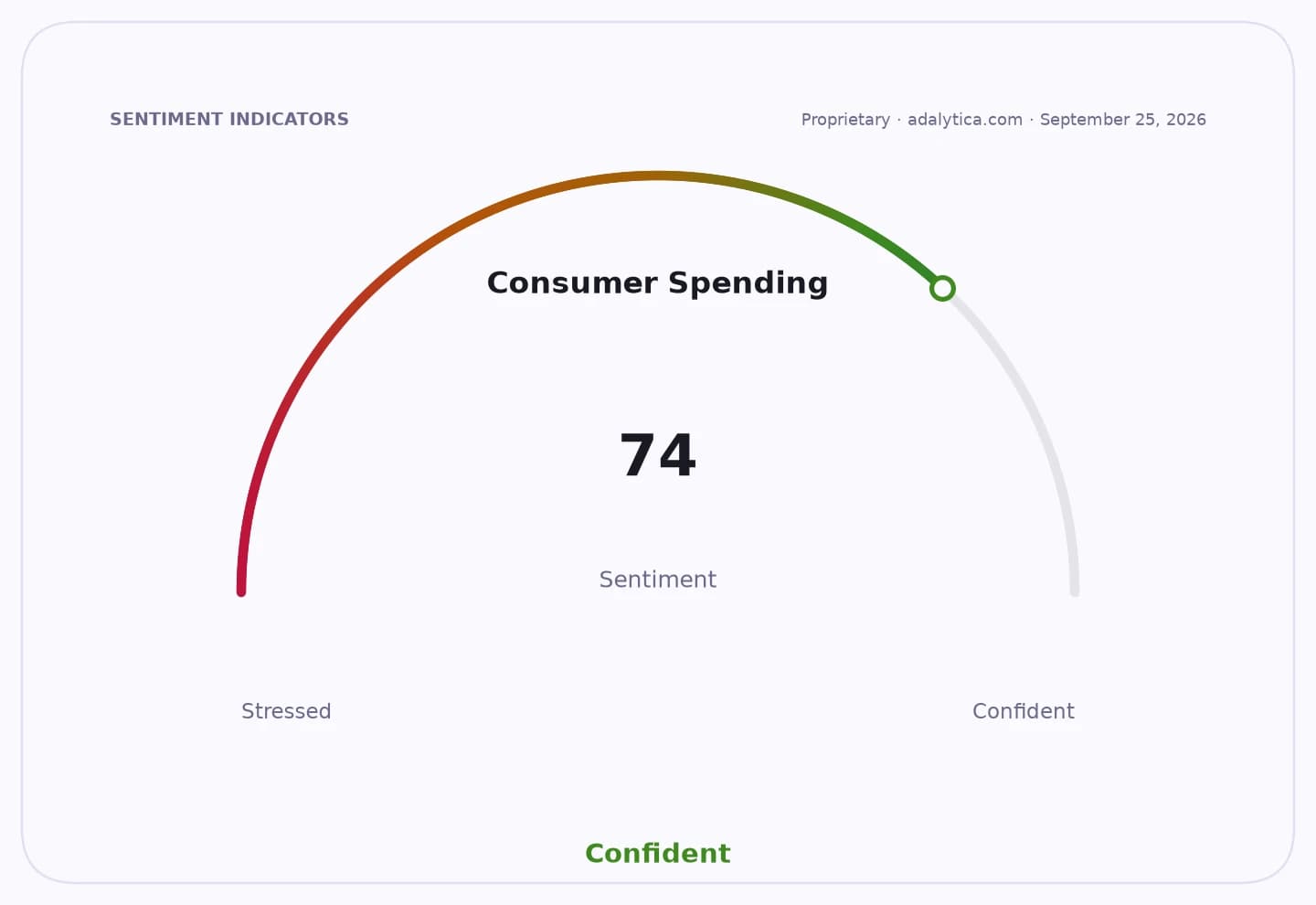
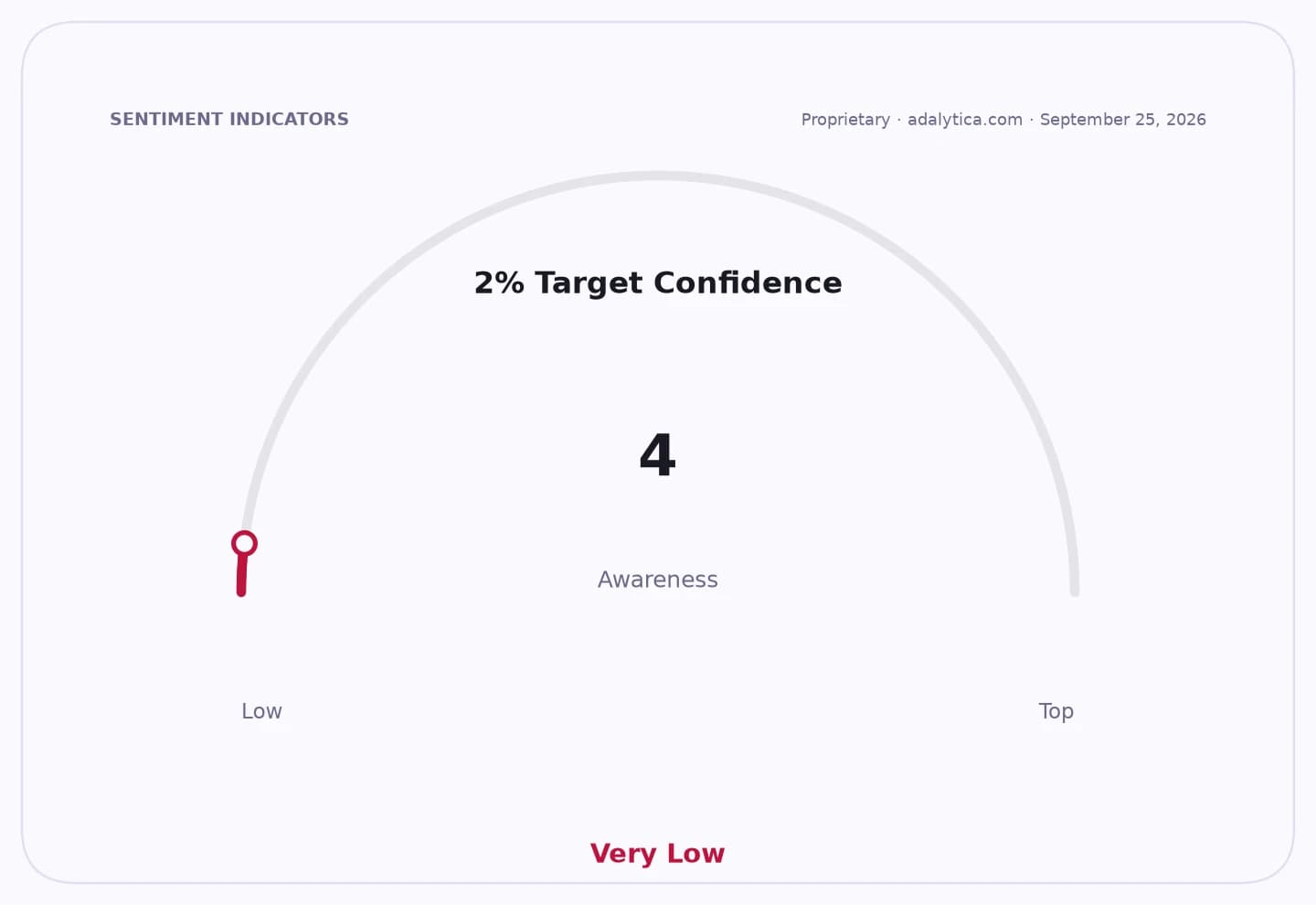
Sentiment IndicatorsⓘProprietary · adalytica.com · July 15, 2026
This is a snapshot — live sentiment, awareness and momentum for 130+ markets update continuously in the dashboard.Open AlphaPulse
For investors, the case adds another overhang to Google’s AI push just as the company tries to defend search, monetize Gemini and prove it can compete with OpenAI and Microsoft without eroding profitability. Alphabet shares have remained well above their 50-day moving average, but the stock has also been volatile in recent months, reflecting concern that legal and competitive pressures could slow the payoff from AI spending.
The dispute also underscores a broader shift in bargaining power between AI developers and content owners. Publishers have already argued in other cases that their material was used without permission to build systems that now compete with their own products, and the new suit extends that fight directly into Google’s flagship model.
That makes the stakes bigger than a single copyright claim. A ruling that forces licensing or compensation could become a template for other AI training disputes across media, software and entertainment, while an outcome favoring Google would bolster the industry’s argument that model training can remain largely unfettered.
The next catalyst is the pace of court filings and any move toward settlement or licensing talks, which could reveal whether Google chooses to fight the case aggressively or cut a deal to reduce legal and reputational risk.
| Entity | Gains | Losses |
|---|---|---|
| Major publishers | ▲Copyright leverage | ▼Free use of books |
| Google / Alphabet | ▲Legal clarity if it wins | ▼Higher licensing and litigation costs |
| Other AI developers | ▲Precedent if rules stay permissive | ▼Tighter training-data costs |
| Authors and rights holders | ▲Potential compensation | ▼Less control over content use |